
 Photoshop
 Maya
Maya ZBrush
 Houdini
 Substance Painter
 Blender
 Unreal Engine
 Arnold
 Nuke
Nuke KeyShot
 V-Ray
V-Ray Marmoset Toolbag
 Mari
Mari Marvelous Designer
 Substance Designer
 3ds Max
 3DCoat
 Faceform Wrap
 Lightroom
 After Effects
 OctaneRender
 SpeedTree
 Daz 3D
 Agisoft Metashape
 Fusion
 Modo
Modo RealityCapture
 Gaea
Gaea Premiere
 Procreate
 Clip Studio Paint
 SketchUp
 SketchBook
 Katana
 Natron
 Mudbox
 Quixel Bridge
 Quixel Megascans
 Quixel Mixer
 Substance 3D Modeler
 World Creator
 Yeti
Yeti Ziva VFX
 Mixamo
 Adobe Medium
 Quixel DDO
 xNormal
 Meshmixer
 Storyboard Pro
 DaVinci Resolve
 TreeIt
 World Machine
 Gaffer
 Corel Painter
 SynthEyes
 Krita
Krita Massive
 Materialize
 Unity
Unity Ornatrix
 PreForm
 Moi 3D
 animBot
 QuickTime
 ReCap
ReCap












Gravity Sketch is one of several VR design and modeling programs being used by artists in media and entertainment to create 3D models within a virtual environment. While 3D has long been a part of the concept design process — helping artists to add convincing dimension, perspective, and scale to their concept designs — the evolution of VR technology in more recent years has allowed developers to create fully featured 3D modeling and sculpting programs that are now being used efficiently across the media and entertainment, automotive, and fashion industries, among others.
Creative Director, Glen Southern introduces the principles behind modeling in VR and shares the fundamentals that you need to know when creating your own concepts inside a VR headset. This 3.5-hour workshop begins with a first look at Gravity Sketch and shares how to sketch in VR, before demonstrating Glen’s complete concept design and block-out process. Glen then takes the 3D model into Cinema 4D for further exploration and reveals his process when preparing models for the final rendering, which in this case is handled with Redshift.
15 Lessons
The introductory lesson in Glen Southern’s VR modeling workshop gives new users a clear starting point for working in Gravity Sketch for 3D VR design work. By focusing on the accessible Steam version and emphasizing the importance of the Landing Pad cloud storage system, Glen ensures viewers have the basic setup needed to follow along with later lessons. Artists learn the fundamental expectations for a practical, hands-on learning experience conducted primarily in VR.
Duration: 2m 24s

This lesson provides a thorough foundation for anyone beginning with Gravity Sketch in VR, highlighting the program's exceptional strengths in design ideation, sketching, and rapid concept development. Glen explains every interface element and tool to ensure users understand both basic navigation and more complex features. Artists explore how converting between modeling types prepares them for subsequent lessons where they'll create actual concept art.
Duration: 29m 58s

This lesson breaks down that vehicle design in VR begins with loose, exploratory sketching rather than rigid planning. By iterating through multiple sketch passes, from rough forms to refined line work and using layers to preserve and build upon previous ideas, artists can organically discover compelling shapes and solutions. Glen highlights the importance of maintaining flexibility during early stages while progressively refining details to create a solid conceptual foundation.
Duration: 18m 16s

Understanding the fundamental difference between NURBS and polygon modeling in Gravity Sketch is essential for achieving successful project results. The choice of modeling approach must be determined at the start based on the intended final output. By planning the workflow strategically, Glen shows how selecting appropriate tools for each stage ensures models export cleanly, and artists learn how to ensure functionality in target applications.
Duration: 9m 48s

This lesson demonstrates an efficient workflow for transitioning from 2D sketches to 3D block-out models in VR. The approach centers on quick iteration, silhouette testing, and shape exploration allows artists to quickly evaluate and refine their concepts before investing time in detailed modeling. Glen demonstrates that once a strong silhouette is achieved, the block-out serves as a solid foundation for final geometry.
Duration: 13m 13s

Color management in Gravity Sketch should be planned with the final workflow in mind. Rather than focusing on how the model looks within Gravity Sketch, Glen suggests assigning colors that logically represent material groups. Artists discover how this forward-thinking approach streamlines the rendering process and makes material assignment more efficient in the final production stage.
Duration: 3m 34s

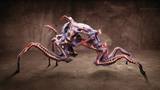
This lesson demonstrates professional subdivision modeling techniques for vehicle design, highlighting a methodical workflow and proper topology management. Glen creates organic, insect-inspired shapes while maintaining technical precision through strategic use of polygon distribution. Artists explore how starting from low-polygon control cages yields a confident first-pass design ready for additional detailing.
Duration: 33m 8s

Detailed 3D modeling requires constant evaluation and refinement of forms, with particular attention to maintaining clean topology throughout the process. Glen demonstrates that successful modeling involves balancing technical requirements with aesthetic judgment. Artists learn that blocking out forms and making incremental adjustments represents best practices for creating professional-quality 3D models.
Duration: 17m 20s

Creating reusable component libraries is an efficient workflow for building mechanical detail in 3D concept designs. The approach prioritizes speed and visual appeal over technical accuracy, making it ideal for concept visualization and rendering. By creating a library of adaptable parts, artists can quickly add realistic mechanical detail to their models while keeping design flexibility as taught by Glen.
Duration: 13m 30s

This lesson showcases an iterative 3D modeling approach that balances aesthetics with logical design thinking. Glen emphasizes creating components that look visually interesting while suggesting functional purpose. Artists understand that regularly testing the model with lighting changes and human figures ensures the hover vehicle maintains believable proportions for its intended occupants.
Duration: 17m 20s

Glen shows flexibility by optimizing design elements while adding intricate details that enhance realism. The final result is a hover bike with a creature-like appearance and science-fiction styling that successfully achieves the original design intent.
Duration: 18m 40s

This lesson represents the critical final refinement stage before exporting a 3D model to another application. Glen demonstrates how thoughtful micro-detailing and making strategic shape adjustments can significantly enhance a model's realism and complexity. Artists learn how this refined model is prepared for further rendering and post-processing work.
Duration: 10m 29s

Proper file preparation and export settings are crucial when transferring 3D models between software programs. By carefully choosing the appropriate export format and settings, Glen ensures users maintain greater control over models. Artists find that exporting multiple formats helps ensure compatibility across different workflows.
Duration: 3m 55s

Glen emphasizes that the level of detail should match the project's purpose. In concept art, basic reflective materials and proper lighting may be sufficient without extensive texture mapping, and a systematic approach to scene organization and material setup creates a solid foundation for final rendering or paint-over work.
Duration: 15m 56s

This final lesson demonstrates a practical, efficiency-focused approach to material setup for concept vehicle design. Glen prioritizes speed and efficiency by using simple color adjustments to quickly achieve a presentable look. Artists understand how to use this workflow for early-stage concept development, where the goal is to quickly generate visual references for post-production enhancement.
Duration: 21m 7s

Primary tools
For this workshop you’ll need:


* Note that these programs and materials will not be supplied with the course.
Skills Covered
Who’s this Workshop for?
This workshop is designed for concept artists, 3D modelers, and designers working in media and entertainment who want to integrate VR technology into their creative workflow. Glen Southern's training is ideal for intermediate-level artists familiar with traditional 3D modeling who are ready to explore immersive design approaches.
Automotive designers, fashion industry professionals, and freelance artists will also benefit from learning VR modeling fundamentals. Artists will gain cutting-edge skills that enhance their creative process, improve spatial understanding, and provide competitive advantages in industries increasingly adopting virtual reality design tools.
Learning Outcomes
By the end of this workshop, artists will have gained complete knowledge of VR-based concept design workflows and professional modeling techniques using Gravity Sketch.
Key skills include:
- How to navigate and utilize Gravity Sketch's interface and tools effectively within VR environments.
- How to sketch and create initial concept designs directly inside virtual reality headsets.
- How to develop complete 3D models using VR-based block-out and modeling processes.
- How to export and transfer VR models seamlessly into Cinema 4D for further development.
- How to prepare VR-created models for professional rendering workflows and final output stages.
- How to integrate VR modeling techniques into existing concept design and production pipelines.


