
 Photoshop
 Maya
Maya ZBrush
 Houdini
 Substance Painter
 Blender
 Unreal Engine
 Arnold
 Nuke
Nuke KeyShot
 V-Ray
V-Ray Marmoset Toolbag
 Mari
Mari Marvelous Designer
 Substance Designer
 3ds Max
 3DCoat
 Redshift
 Faceform Wrap
 Lightroom
 After Effects
 OctaneRender
 SpeedTree
 Daz 3D
 Agisoft Metashape
 Fusion
 Modo
Modo RealityCapture
 Gaea
Gaea Cinema 4D
 Gravity Sketch
 Premiere
 Procreate
 Clip Studio Paint
 SketchUp
 SketchBook
 Katana
 Natron
 Mudbox
 Quixel Bridge
 Quixel Megascans
 Quixel Mixer
 Substance 3D Modeler
 World Creator
 Yeti
Yeti Ziva VFX
 Mixamo
 Adobe Medium
 Quixel DDO
 xNormal
 Meshmixer
 Storyboard Pro
 DaVinci Resolve
 TreeIt
 World Machine
 Gaffer
 Corel Painter
 SynthEyes
 Krita
Krita Massive
 Materialize
 Unity
Unity Ornatrix
 PreForm
 Moi 3D
 animBot
 QuickTime
 ReCap
ReCap


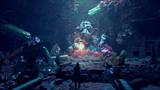





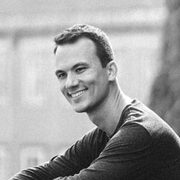









There are some absolute essentials you need to know when tackling lighting in CG. This 5-hour workshop by Adrien Vallecilla sheds light on everything you need to be aware of when lighting 3D environments, particularly if you’re looking to become a successful lighter or look-dev artist working in digital production.
The workshop kicks off with fundamental lighting theory, discussing the core differences between real-world lighting and CG, as well as how to recreate natural phenomena using 3D tools. In this case, Adrien teaches using Maya with Redshift, however, the theory can be applied to other 3D packages and rendering engines. You’ll learn how to set up convincing lighting, how to optimize your lighting and rendering settings, plus Adrien also details the key differences between rendering with CPU and GPU engines to help you transfer your knowledge to your tools of choice. The lecture concludes with a look at compositing all of the lighting passes rendered from Redshift inside Nuke.
The Maya Environment Scene file, HDR image, and Cryptomatte file are provided with this workshop. Links to the models featured by Adrien can be found below. You can also use your own 3D models to create a still-life scene while following along with the theory and practice taught.
7 Lessons
Adrien introduces his workshop, which serves as a comprehensive bridge between academic lighting knowledge and professional industry requirements. By covering both technical fundamentals and pipeline management concepts, he aims to accelerate the learning curve for new lighting artists and help them become more valuable team members from day one. His industry experience as a lighting lead provides practical insights into the complex, interconnected nature of lighting work in professional VFX production.
Duration: 8m 19s

This lesson establishes CG lighting as a crucial discipline that bridges technical precision with artistic vision. The key insight is that successful CG lighting requires first accurately matching reality or references, then thoughtfully enhancing the result through controlled adjustments to contrast, saturation, and shadows. The value lies in providing filmmakers with creative control and consistency, allowing for template-based workflows and supporting last-minute artistic changes that would be difficult with traditional on-set lighting methods.
Duration: 27m 42s

This lesson establishes the foundation for professional CG lighting by emphasizing the importance of physically accurate lighting systems and industry-standard workflows. Adrien discusses why successful lighting artists must understand the technical aspects of modern render engines as well as the practical workflows used in major studios. By maintaining physical accuracy while strategically using utility elements, artists can achieve realistic results that integrate seamlessly with live-action footage and maintain consistency across entire sequences.
Duration: 45m 27s

This comprehensive rendering overview touches on how the industry is transitioning to GPU-based workflows, with pure GPU solutions significantly outperforming hybrid approaches. Success in professional VFX requires an understanding not just of render settings, but also of strategic approaches to sampling, memory management, and artifact prevention. Adrien stresses that home rendering differs greatly from production environments, where heavy scenes require sophisticated optimization techniques to work within render-farm constraints.
Duration: 47m 20s

This comprehensive lesson discusses why render optimization is about understanding the underlying causes of problems rather than applying blanket solutions like increasing samples. Adrien stresses that, while these techniques may seem less critical for personal projects, they become essential when working with the complex, heavy scenes typical in professional VFX studios. The key insight is that most render-time issues stem from specific problematic elements and knowing how to identify and fix them, enabling efficient rendering with lower sample counts.
Duration: 45m 55s

This lesson demonstrates a professional lighting workflow in Redshift that prioritizes both visual quality and render efficiency. Adrien emphasizes working smart by using the right file formats, following a systematic approach to noise reduction, and structuring the workflow to maintain real-time feedback during the creative process. His three-point lighting setup successfully creates visual interest through contrast, color temperature variation, and strategic shadow placement, resulting in a compelling still-life render ready for compositing.
Duration: 51m 26s

Adrien's final lesson demonstrates advanced post-production techniques that significantly improve workflow efficiency in 3D rendering pipelines. Cryptomattes and Z-depth manipulation allow artists to maintain flexibility in compositing while keeping renders unified, reducing the traditional need for extensive render pass separation. These methods represent modern industry practices that streamline the transition from 3D rendering to final composite.
Duration: 13m 48s

Primary tools
For this workshop you’ll need:
Project Files
When you download the workshop files, you'll get access to a complete Maya 3D project with everything needed to follow along. Inside, you'll find:
- Maya scene file – The main project file (.mb) containing all the assets, lighting setup information, and other settings included
- Cryptomatte master - A folder of files helping with the cryptomatte gizmo setup for convenient use in Nuke
- HDRI file - An HDRI panorama to use as a base for the lighting setup demonstrated
- Text document - A list of links to the assets used in the workshop for your convenience
Skills Covered
Who’s this Workshop for?
This workshop is designed for aspiring and intermediate CG artists seeking to specialize in lighting and look development for digital production. It's particularly valuable for artists transitioning into lighter or look-dev roles who need solid foundational knowledge of lighting theory and practical implementation techniques.
Experienced 3D generalists looking to expand their skill set will also benefit significantly from this comprehensive approach. The workshop provides essential knowledge for anyone working in film, television, or game development who wants to understand professional lighting workflows and achieve more convincing, production-ready results.
Learning Outcomes
By completing this workshop, artists will master fundamental lighting principles and practical techniques essential to professional CG production.
Key skills include:
- How to understand core differences between real-world lighting and CG lighting approaches.
- How to recreate natural lighting phenomena using Maya and Redshift rendering tools.
- How to set up convincing three-point lighting systems for 3D environments.
- How to optimize lighting setups and rendering settings for efficient production workflows.
- How to distinguish between CPU and GPU rendering engines for informed tool selection.
- How to composite lighting passes from Redshift using professional Nuke techniques.
- How to apply lighting theory across different 3D packages and rendering engines.


