
 Photoshop
 Maya
Maya ZBrush
 Houdini
 Substance Painter
 Blender
 Unreal Engine
 Arnold
 Nuke
Nuke KeyShot
 V-Ray
V-Ray Marmoset Toolbag
 Mari
Mari Marvelous Designer
 Substance Designer
 3ds Max
 3DCoat
 Redshift
 Faceform Wrap
 Lightroom
 After Effects
 OctaneRender
 SpeedTree
 Daz 3D
 Agisoft Metashape
 Fusion
 Modo
Modo RealityCapture
 Gaea
Gaea Cinema 4D
 Gravity Sketch
 Premiere
 Procreate
 Clip Studio Paint
 SketchUp
 SketchBook
 Katana
 Natron
 Mudbox
 Quixel Bridge
 Quixel Megascans
 Quixel Mixer
 Substance 3D Modeler
 World Creator
 Yeti
Yeti Ziva VFX
 Mixamo
 Adobe Medium
 Quixel DDO
 xNormal
 Meshmixer
 Storyboard Pro
 DaVinci Resolve
 TreeIt
 World Machine
 Gaffer
 Corel Painter
 SynthEyes
 Krita
Krita Massive
 Materialize
 Unity
Unity Ornatrix
 PreForm
 Moi 3D
 animBot
 QuickTime
 ReCap
ReCap
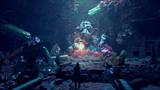












When you’re tasked with creating keyframe concept art for the art department of a feature film or video game, you’re more than likely going to need to bring a scene to life quickly, and with photorealistic results. Sebastien Hue is a Concept Illustrator with credits including Call of Duty: Infinite Warfare, who shares his complete workflow across 5 hours, from developing an initial idea to creating an establishing shot that’s worthy of inclusion in a sci-fi movie or game cinematic.
This workshop details Sebastien’s entire pipeline for creating keyframe concept art and focuses on efficiency throughout. He shares how Cinema 4D can be used alongside Photoshop to speed up the design process and help with achieving cinematic results. Knowledge of Photoshop is recommended since this video tutorial takes an intermediate-level approach with more of a focus on artistic exploration, covering the fundamentals of composition, depth, mood, lighting, and industrial design. While Cinema 4D is Sebastien’s 3D software of choice, any 3D software can be used to follow along.
12 Lessons
Sebastien Hue begins his workshop by discussing how establishing shots are critical storytelling tools that convey extensive information quickly through careful consideration of scale, composition, mood, and setting. By studying cinematic references and using tools like Shot Deck, artists can learn how to develop well-informed concepts that effectively communicate location and atmosphere. His workshop will combine inspiration from classic sci-fi films and video games to create a moody, large-scale establishing shot set in an alien volcanic landscape centered around a mysterious geometric structure.
Duration: 13m 38s

This lesson effectively demonstrates a professional concept art workflow, emphasizing why early-stage visual development should prioritize rapid ideation and clear communication over polished artwork. Sebastien's approach to creating multiple quick thumbnails, working in grayscale, and constantly considering composition, scale, and lighting provides a practical framework for developing compelling sci-fi environments. His spontaneous, sketch-based methodology allows for efficient exploration of ideas while maintaining focus on what matters most: establishing a clear vision that serves the story and guides the production team.
Duration: 34m

This lesson emphasizes that strong concept design begins with understanding visual communication through shape language and developing the ability to see imaginative potential in everyday objects. Sebastien's research workflow demonstrates that effective concept art isn't about copying references but rather synthesizing multiple inspirations — from basic, geometric meanings to industrial machinery and game environments — into original designs. Spending quality time browsing and mentally processing references before sketching is taught as an essential step that fuels creativity and ensures designs communicate the intended mood and function.
Duration: 17m

This lesson showcases how successful concept design emerges from iterative exploration and an understanding of fundamental design principles, such as shape language and scale. Sebastien demonstrates that concept art isn't about creating perfect drawings immediately, but rather about quickly testing multiple ideas, learning what works, and being willing to scrap designs that don't meet the project's needs. His exploratory approach, combined with proper scaling and reference gathering, creates a solid foundation for production teams to translate 2D concepts into 3D models.
Duration: 28m 1s

This lesson illustrates the exploratory 3D-modeling phase of concept design, where the goal is rapid iteration rather than perfection. Sebastien effectively demonstrates how tools like Cinema 4D's Cloner can transform basic geometry into complex, interesting structures by duplicating and arranging elements radially. Even with limited modeling skills, Sebastien showcases how to successfully translate 2D concept sketches into a 3D reactor design ready for lighting, camera work, and further refinement in Photoshop.
Duration: 34m 39s

This lesson demonstrates how 3D software can be used effectively as a visualization tool for concept art without requiring expensive rendering engines. By using Cinema 4D with the free Magic Preview add-on, Sebastien shows how to quickly block out composition, lighting, and scale relationships that would otherwise be time-consuming to work out through traditional sketching. This 3D stage serves as a foundation that will be refined and painted over in Photoshop, combining the strengths of both 3D and 2D workflows for efficient concept art creation.
Duration: 38m

This lesson emphasizes speed and efficiency in concept development rather than technical perfection. Quixel Bridge serves as a powerful tool for concept artists and designers who need to quickly block out compelling 3D environments without spending hours on detailed modeling and texturing. Sebastien's result is presentation-quality imagery that effectively communicates visual direction to clients and collaborators, demonstrating how the right tools can dramatically accelerate the creative workflow while maintaining professional quality.
Duration: 23m 51s

This lesson demonstrates an efficient approach to preparing 3D renders for extensive Photoshop post-production. By rendering multiple passes, combining them into a single PSD file, and troubleshooting technical issues like bit-depth problems, Sebastien creates a flexible foundation for compositing. These various passes serve as organizational tools that enable quick selections and provide maximum control over individual elements such as textures, lighting, and atmosphere during the final post-production phase.
Duration: 15m

This core lesson teaches how raw 3D renders are typically too perfect and need to be "broken down" through painting and texture work to achieve photorealism. By systematically adding imperfections, environmental wear, material variation, and subtle irregularities, Sebastien shows how to transform a sterile 3D render into a believable scene with history and context. His organized, layer-based approach provides the flexibility needed for iterative decision-making while maintaining a non-destructive workflow.
Duration: 17m 2s

This lesson demonstrates why photorealistic concept art requires patient, methodical texture work combined with a strong understanding of values, depth, and composition. Sebastien's approach of trying textures, adjusting with curves, and building up layers of atmospheric depth shows that photo-bashing is both a technical skill and an artistic practice requiring experimentation and visual problem-solving. He explains how, with quality source materials, proper organization, and non-destructive techniques, artists can create convincing photorealistic environments that tell a story through texture and detail.
Duration: 43m

This lesson showcases Sebastien's professional workflow for creating cinematic concept art by combining 3D renders, photo manipulation, and digital painting. He emphasizes the importance of leaving mysterious elements to engage the viewer's imagination while adding enough functional details (pipes, cables, lights) to make the scene believable. His iterative process of layering atmospheric effects, industrial textures, and lighting adjustments demonstrates that successful concept art requires constant back-and-forth refinement to achieve the right balance between detail and atmosphere, ultimately creating a compelling sci-fi narrative that invites multiple interpretations.
Duration: 48m 1s

This final lesson provides a comprehensive workflow for transforming a digital scene into a cinematic-quality establishing shot. Sebastien explains why achieving a professional, atmospheric result requires layering multiple subtle adjustments rather than relying on single dramatic effects. By combining technical knowledge of Photoshop blending modes with artistic sensibility for color, light, and atmosphere, artists can learn how to create compelling keyframes that effectively convey mood and guide the viewer's eye through the composition.
Duration: 18m 1s

Primary tools
For this workshop you’ll need:
Project Files
When you download the workshop files, you'll get access to Sebastien Hue's Photoshop assets. Inside the package, you'll find:
- Photoshop action files (.atn) – Photoshop action files that automate repetitive processes
- Photoshop brush presets (.abr) - 22 custom brushes to help with detail and texture, etc.
- Reference images (.jpg) - High-quality renders of the finished establishing shot and Photoshop shortcuts for study and inspiration - These project files have been provided by the instructor to make it easier to follow along with their workshop. –
Skills Covered
Who’s this Workshop for?
This workshop is developed for intermediate-level concept artists, matte painters, and visual development artists working in the film and gaming industries. Artists should have solid Photoshop fundamentals and basic knowledge of 3D software to maximize their learning experience in this workshop.
Aspiring concept artists, entertainment design students, and freelance illustrators will also benefit greatly from Sebastien Hue’s professional workflows. They'll gain industry-standard approaches to creating production-ready keyframe art that meets the demanding standards of high-quality game and film projects.
Learning Outcomes
After finishing this workshop, artists will have developed an efficient professional pipeline for creating cinematic keyframe concept art from initial idea to final production-ready illustration.
Key skills include:
- How to develop initial concept ideas into compelling cinematic establishing shots efficiently.
- How to integrate Cinema 4D with Photoshop for accelerated concept art production workflows.
- How to apply fundamental composition principles to create dramatic and engaging keyframe illustrations.
- How to manipulate depth, mood, and lighting to achieve photorealistic cinematic results.
- How to approach industrial design elements within sci-fi environment concept development.
- How to streamline the entire concept art pipeline for feature film production standards.


