 Photoshop
 Maya
Maya ZBrush
 Houdini
 Substance Painter
 Blender
 Arnold
 Nuke
Nuke KeyShot
 V-Ray
V-Ray Marmoset Toolbag
 Mari
Mari Marvelous Designer
 Substance Designer
 3DCoat
 Redshift
 Faceform Wrap
 Lightroom
 After Effects
 OctaneRender
 SpeedTree
 Daz 3D
 Agisoft Metashape
 Fusion
 Modo
Modo RealityCapture
 Gaea
Gaea Cinema 4D
 Gravity Sketch
 Premiere
 Procreate
 Clip Studio Paint
 SketchUp
 SketchBook
 Katana
 Natron
 Mudbox
 Substance 3D Modeler
 World Creator
 Yeti
Yeti Ziva VFX
 Mixamo
 Adobe Medium
 Quixel DDO
 xNormal
 Meshmixer
 Storyboard Pro
 DaVinci Resolve
 TreeIt
 World Machine
 Gaffer
 Corel Painter
 SynthEyes
 Krita
Krita Massive
 Materialize
 Unity
Unity Ornatrix
 PreForm
 Moi 3D
 animBot
 QuickTime
 ReCap
ReCap

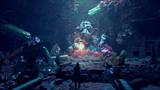










Virtual production is an emerging filmmaking method that uses real-time rendering to combine live-action footage with CG, first used on films like The Lion King and The Mandalorian TV series. In this 2-hour workshop, Vladimir Somov, former Principal Cinematics Artist on Assassin’s Creed, For Honor, and Far Cry, shares the core concepts and techniques required for creating Virtual Production-ready environment art using Unreal Engine. He walks through the entire pipeline of creating the exterior and interior sets of an ancient temple — an environment that allows for the exploration of two scenarios for lighting and mood, so you can learn how to set up and tell a story with lighting and post-processing for different environments.
The workshop begins with a lesson on understanding how to work with references and shows how to create a custom construction kit and a trim material. You will learn how to set up Unreal Engine, what project settings and plugins to use and why, as well as how to organize and structure Unreal projects. Vladimir provides both practical and theoretical advice on effective and believable set dressing and lighting, and offers techniques to profile and optimize performance with tools like Deep Learning Super Sampling (DLSS) from Nvidia. The workflow also includes a look inside the techniques used for capturing a basic cinematic with an animated character and a virtual hand-held camera operated by using a smartphone as a tracker.
While this workshop is targeted at beginners, some basic knowledge and understanding of Unreal Engine and 3D modeling is recommended before starting. 3ds Max, Quixel Bridge, and Quixel Mixer are used in conjunction with Unreal Engine 4. At the end of 2 hours, you should have a strong understanding of the entire process involved in creating real-time environment art, and feel confident with techniques that can be scaled up and applied to anything from a full LED volume Virtual Production to Cinematics and Post-Visualization.
15 Lessons
Vladimir Somov begins his workshop with a discussion of how virtual production represents a paradigm shift in filmmaking, empowering environment artists and set designers to create real-time, interactive digital sets that are viewable during actual filming. While professional implementations use expensive LED volumes, Vladimir's core techniques are accessible to anyone with a modern smartphone and a game engine. The democratization of virtual production tools allows artists to contribute meaningful work across all stages of production, from pre-visualization to final on-screen pixels.
Duration: 2m 53s

This lesson demonstrates how thorough pre-production planning is essential for creating efficient 3D environments. By carefully analyzing references, breaking down complex structures into modular components, and strategically planning which assets to source versus create custom, artists can learn how to build a solid foundation before beginning actual production work. Vladimir's methodical approach, from reference gathering to asset cataloging, ultimately saves time and ensures visual consistency throughout the project.
Duration: 4m 15s

Vladimir teaches that proper planning and asset scouting at the project's beginning will save time and ensure high-quality results. By maintaining consistency through asset collections and matching materials from the same biome or region, he establishes a realistic foundation for the environment. Starting with appropriate technical settings (4K textures and multiple LODs) provides both quality and flexibility for optimization throughout the production process.
Duration: 1m 51s

Quixel Mixer provides a fast and efficient workflow for creating custom materials and trim atlases tailored to specific project needs. By combining scanned surfaces with painted masks, blend modes, and color adjustments, artists can learn how to quickly produce unique, believable materials that look hand-crafted rather than repetitive. The ability to preview on different geometries and export directly to game engines makes this an invaluable tool for real-time environment creation.
Duration: 4m 39s

This lesson emphasizes that successful 3D asset creation isn't about using expensive software or complex techniques, but rather about understanding design principles and working efficiently. By creating simple, modular pieces that share a consistent visual language grounded in real-world references, Vladimir demonstrates how a small kit of versatile assets can generate diverse architectural compositions. He explains why thoughtful planning and multi-functional design are more valuable than creating numerous specialized assets.
Duration: 6m

This lesson provides a comprehensive foundation for setting up an Unreal Engine project optimized for film and television production work. Vladimir's emphasis on proper project configuration, plugin management, and organizational structure from the start helps prevent technical issues and workflow inefficiencies later. By combining practical setup steps with best practices for project organization, this lesson prepares artists to build complex environments efficiently while maintaining a clean, manageable project structure.
Duration: 6m 50s

In this lesson, Vladimir establishes crucial organizational and technical foundations for environment creation in Unreal Engine. While he acknowledges this setup phase isn't the most exciting content, these custom materials and organizational systems provide the flexibility and artistic control needed for efficient environment assembly. His detailed material breakdowns serve both as practical tools and educational examples for understanding shader creation in Unreal Engine.
Duration: 9m 40s

This lesson effectively demonstrates that successful environment design relies more on methodology than asset quantity. By maintaining focus on large shapes, constantly referencing reality, iterating quickly, and organizing systematically, Vladimir shows how to create a compelling temple exterior with minimal resources. His emphasis on designing to camera requirements and understanding production constraints makes this particularly valuable for those working in virtual production or game development contexts where efficiency and adaptability are paramount.
Duration: 9m 14s

This lesson demonstrates a systematic approach to environment blocking for virtual production, emphasizing the importance of large-scale spatial decisions before detail work. Vladimir's iterative process of constantly reviewing from the character's perspective and adjusting based on visual assessment shows how successful environment design relies on understanding both technical constraints (such as flat ground for VP volumes) and artistic principles. His completed blockout may appear simple, but it provides a solid foundation that he confidently knows will work once lighting and additional details are applied.
Duration: 4m 54s

This detailed set-dressing lesson demonstrates why creating convincing environments is an iterative process that requires patience, constant evaluation, and a willingness to experiment. Vladimir's approach to working fluidly between different areas of the set, maintaining consistent material values, and letting story logic guide placement decisions results in a cohesive limestone temple environment. Most importantly, this lesson reinforces that not every idea will work on the first attempt, and that success comes from quickly testing concepts, learning what works, and then adapting. Sometimes the stubborn asset you keep trying to place will eventually find its perfect spot!
Duration: 20m 31s

In this lesson, Vladimir demonstrates that effective environment design balances technical knowledge with artistic intuition and narrative storytelling. He emphasizes that good set design should be complementary rather than distracting, using subtle variations and realistic material interactions to create believable spaces. His demonstrated workflow principles, from strategic camera positioning for parallax to action-driven creativity when facing creative blocks, can scale from simple environments like this temple interior to much larger, complex scenes.
Duration: 13m 10s

This lesson emphasizes that effective 3D environment lighting is about artistic intent and storytelling rather than simply enabling all available features. Vladimir shows how sometimes less is more; for example, rejecting volumetric fog despite its visual appeal because it conflicted with the narrative goal of "discovery" rather than "mystery or danger." His workflow demonstrates how manual light placement and thoughtful post-processing can achieve a specific artistic vision while maintaining performance, proving that technical knowledge, combined with artistic observation and restraint, produces the most compelling results.
Duration: 13m 34s

This comprehensive lesson demonstrates Vladimir's approach to interior lighting, which prioritizes artistic quality over technical perfection. By combining soft shadows, strategic bounce lighting, SSGI, and thoughtful post-processing, he shows how to create an atmospheric scene that avoids the flat, overly sharp appearance common in CG renders. He explains why realistic lighting comes from understanding how light behaves naturally (diffused through dust, bouncing off surfaces, and creating depth through contrast) rather than relying solely on default settings.
Duration: 6m 10s

Performance optimization in Unreal Engine involves balancing visual quality with computational efficiency through multiple techniques. DLSS provides an easy "quick win" for frame rate improvements, while LODs and texture optimization offer more granular control. The various profiling view modes give artists clear visual feedback on where performance bottlenecks exist, allowing for targeted optimization without compromising artistic vision. Vladimir's approach of prioritizing beautiful lighting, then addressing performance issues, reflects a practical workflow for real-time rendering projects.
Duration: 8m 24s

In this final lesson, Vladimir provides a comprehensive workflow for creating cinematic content in Unreal Engine, using consumer-grade equipment such as smartphones as virtual cameras. The combination of proper lighting techniques, virtual camera setup, and sequence editing demonstrates how accessible professional-looking cinematics have become. While the Virtual Camera system remains experimental and occasionally suffers from UI issues, it offers an intuitive and cost-effective solution for previz and cinematography in game engines.
Duration: 14m 8s

Primary tools
For this workshop you’ll need:


* Note that these programs and materials will not be supplied with the course.
Skills Covered
Who’s this Workshop for?
This workshop is intended for beginner to intermediate environment artists and 3D artists who want to understand how real-time environments are created for virtual production workflows. Artists with a basic familiarity with Unreal Engine and general 3D modeling concepts will be able to follow along and gain practical insight into building environments suitable for real-time filmmaking.
Cinematic artists, previs artists, and game developers interested in expanding into virtual production will also benefit from this workshop. It is especially useful for artists looking to bridge the gap between traditional environment art and real-time pipelines used for LED volumes, cinematics, and post-visualization.
Learning Outcomes
By completing this workshop, artists will gain a solid understanding of how to create and optimize real-time environments for virtual production using Unreal Engine.
Key skills include:
- How to set up and configure Unreal Engine projects for virtual production workflows.
- How to use reference effectively to design cohesive exterior and interior environments.
- How to build modular construction kits and trim materials for efficient environment creation.
- How to organize Unreal projects for scalability and professional production standards.
- How to light environments to support multiple moods and storytelling scenarios.
- How to apply post-processing techniques to enhance cinematic presentation.
- How to profile and optimize real-time performance using tools such as DLSS.
- How to capture basic cinematics using animated characters and virtual handheld camera techniques.