
 Photoshop
 Maya
Maya ZBrush
 Houdini
 Substance Painter
 Blender
 Unreal Engine
 Arnold
 Nuke
Nuke KeyShot
 V-Ray
V-Ray Marmoset Toolbag
 Mari
Mari Marvelous Designer
 Substance Designer
 3ds Max
 3DCoat
 Redshift
 Faceform Wrap
 Lightroom
 After Effects
 OctaneRender
 SpeedTree
 Daz 3D
 Agisoft Metashape
 Fusion
 Modo
Modo RealityCapture
 Gaea
Gaea Cinema 4D
 Gravity Sketch
 Premiere
 Procreate
 Clip Studio Paint
 SketchUp
 SketchBook
 Katana
 Natron
 Mudbox
 Quixel Bridge
 Quixel Megascans
 Quixel Mixer
 Substance 3D Modeler
 World Creator
 Yeti
Yeti Ziva VFX
 Mixamo
 Adobe Medium
 Quixel DDO
 xNormal
 Meshmixer
 Storyboard Pro
 DaVinci Resolve
 TreeIt
 World Machine
 Gaffer
 Corel Painter
 SynthEyes
 Krita
Krita Massive
 Materialize
 Unity
Unity Ornatrix
 PreForm
 Moi 3D
 animBot
 QuickTime
 ReCap
ReCap














10 Lessons
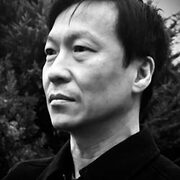
This workshop by Charles Hu provides essential anatomical knowledge for figurative artists who need to accurately draw arms in various positions and gestures. Understanding skeletal architecture, joint articulation, and rotation mechanics is fundamental before adding muscles. Charles emphasizes that knowing which parts of the arms remain fixed versus which rotate is critical for maintaining anatomical accuracy regardless of the pose.
Duration: 26m 37s

This lesson breaks down both the scientific understanding and artistic application of upper arm musculature. Charles successfully bridges anatomical knowledge with practical drawing principles, highlighting how asymmetrical muscle arrangement creates natural rhythm and visual appeal. Artists learn how muscles function and interact to create accurate and natural-looking artwork.
Duration: 25m 2s

Charles emphasizes using specific anatomical landmarks as reference points for proportions and spatial relationships while applying artistic principles like line weight variation and shadow placement. By combining anatomical knowledge with drawing technique, artists can avoid common mistakes such as flattened chests or disconnected muscle groups.
Duration: 23m 7s

Charles Hu explains the relationship between muscle structure and surface form, which is particularly important for artists and sculptors. Understanding the origin, insertion, and function of arm muscles helps create accurate, dynamic representations of the human body. Charles breaks down anatomical structures into memorable patterns and visual relationships for rendering the arm in various positions.
Duration: 31m 21s

Understanding the structural geometry and directional flow of the arm is prioritized over memorizing individual muscle names. Charles shows how the upper arm, forearm, and hand form an alternating pattern of directional planes that interlock like puzzle pieces. Artists learn to recognize anatomical parts and muscle origins to create more accurate and dynamically connected figure drawings.
Duration: 29m 32s

This lesson demonstrates that understanding thumb and hand musculature leads to more accurate artistic representation. Charles shows how recognizing tendons creates visible surface forms and connections from the forearm to the fingers. Artists explore how foundational knowledge of underlying anatomical structures leads to better proportions and a more natural flow.
Duration: 7m 16s

While understanding muscle structure is essential, Charles highlights that artists must make deliberate choices about line weight and shadow placement to create compelling, three-dimensional forms. Using anatomical knowledge as a foundation while applying design principles creates visual interest and depth that effectively guides the viewer's eye.
Duration: 22m 29s

In this lesson, Charles makes it a priority for artists to analyze how muscles interact and where tension occurs to create dynamic, three-dimensional forms. Maintaining gesture and flow throughout the drawing ensures the figure feels unified and alive.
Duration: 14m 56s

Understanding anatomy as a foundation for artistic interpretation and design is crucial for artists to create believable figure drawings. Charles advocates moving beyond abstract lines to incorporate structural knowledge that communicates weight, action, and purpose. By studying how muscles overlap and attach to bones, artists learn to make informed decisions that serve a drawing's narrative.
Duration: 19m 24s

This final lesson emphasizes that successful figure drawing comes from understanding the relationships between forms. While anatomical knowledge provides essential tools, Charles shows that the real skill lies in designing elements to work together organically to create rhythm and energy. Artists learn through dedicated practice to experiment boldly and push boundaries.
Duration: 29m 41s

Skills Covered
Who’s this Workshop for?
This workshop is designed for intermediate to advanced figure artists, illustrators, and concept artists who want to take their anatomical understanding to the next level. Artists with basic drawing skills who are ready to tackle more complex structural concepts will gain tremendous value from Charles Hu's instruction.
Character designers, comic artists, and fine artists working in figurative styles will also benefit greatly from this approach. The training builds essential skills for creating believable, dynamic figure work, whether drawing from observation or imagination.
Learning Outcomes
Artists will leave this workshop having developed a comprehensive understanding of arm anatomy and its application to dynamic figure drawing.
Key skills include:
- How to identify and accurately draw the primary skeletal structures of the human arm.
- How to understand proper proportions and relationships between shoulder, upper arm, and forearm segments.
- How to analyze and render the major muscle groups from shoulder to hand.
- How to demonstrate supination and pronation movements and their anatomical implications in drawings.
- How to identify key structural landmarks using photographic reference for accurate figure construction.
- How to integrate anatomical knowledge with gesture and rhythm for dynamic figure compositions.
- How to apply mechanical understanding to create believable arm positions from imagination.


