
 Photoshop
 Maya
Maya ZBrush
 Houdini
 Substance Painter
 Blender
 Unreal Engine
 Arnold
 Nuke
Nuke KeyShot
 V-Ray
V-Ray Marmoset Toolbag
 Mari
Mari Marvelous Designer
 Substance Designer
 3ds Max
 3DCoat
 Redshift
 Faceform Wrap
 Lightroom
 After Effects
 OctaneRender
 SpeedTree
 Daz 3D
 Agisoft Metashape
 Fusion
 Modo
Modo RealityCapture
 Gaea
Gaea Cinema 4D
 Gravity Sketch
 Premiere
 Procreate
 Clip Studio Paint
 SketchUp
 SketchBook
 Katana
 Natron
 Mudbox
 Quixel Bridge
 Quixel Megascans
 Quixel Mixer
 Substance 3D Modeler
 World Creator
 Yeti
Yeti Ziva VFX
 Mixamo
 Adobe Medium
 Quixel DDO
 xNormal
 Meshmixer
 Storyboard Pro
 DaVinci Resolve
 TreeIt
 World Machine
 Gaffer
 Corel Painter
 SynthEyes
 Krita
Krita Massive
 Materialize
 Unity
Unity Ornatrix
 PreForm
 Moi 3D
 animBot
 QuickTime
 ReCap
ReCap





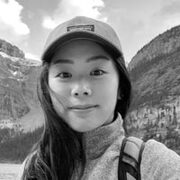



Rasha Shalaby takes environment artists and matte painters on a journey from concept to final shot using Gaea, Houdini, V-Ray, and Photoshop as she recreates the ancient deserts of Sinia, Egypt, and the Red Sea Mountains. Perfect for artists working in VFX for film, TV, and game cinematics, Rasha’s 4-hour workshop walks through the complete creation process of a natural environment based on a real location.
This comprehensive workshop covers all the essential steps from creating the base low-detail assets that inform the initial concepts to creating hero camera angles, updating and optimizing assets, and adding scattered elements. Rasha teaches the importance of using references to ensure fidelity between the CG recreation versus the production location and teaches the workflow and techniques utilized by artists in a real production environment. She shows how environments will go through various iterations as the level of detail is updated in every asset and the environment overall.
Gaea is used to create the terrains and output textures. Houdini is used to set up the environment build and extract displacement maps for the created terrain, and also to create layered shaders in V-Ray to ensure a high level of detail is achieved in the final renders. Rasha’s .tor files are provided with this workshop for subscribers to download.
8 Lessons
Rasha Shalaby begins this workshop by explaining the importance of thorough planning and reference analysis when creating authentic digital environments. By carefully studying photographs and identifying specific geological features, color patterns, and natural formations, artists can create believable, professional environments.
Duration: 4m 24s

This lesson demonstrates an approach to terrain creation that emphasizes using Gaea’s procedural tools to foster ‘happy accidents’. Rasha’s approach of creating multiple levels of detail and working from broad strokes to refined details follows industry-standard practice for environment art, ensuring that assets are both visually compelling and performance-optimized for real-time applications.
Duration: 38m 23s

This lesson demonstrates how to combine Gaea's terrain generation capabilities with Houdini's compositing tools to create large-scale environmental assets. Rasha teaches a ‘blocking first’ approach, creating basic shapes and materials that will be refined in later stages of the process. By maintaining organized node networks and keeping materials bundled with assets, the workflow promotes reusability and efficiency in production environments.
Duration: 24m 40s

This lesson demonstrates how, by using low-resolution proxies, leveraging depth information for atmospheric effects, and applying targeted Photoshop techniques, artists can quickly change camera angles and lighting to create compelling compositions. The approach emphasizes efficiency when responding to art direction, rather than final production-ready assets.
Duration: 31m 40s

This lesson demonstrates how to move from 3D rendering to final concept presentation, using Photoshop to quickly communicate texture intentions and artistic vision. By layering reference photography onto rendered geometry using depth-based masking and color-matching techniques, Rasha creates an informative visual guide that helps to secure creative approval before committing to a full 3D environment. This approach saves production time while ensuring a clear understanding of the intended final look.
Duration: 49m 23s

This lesson emphasizes that successful terrain creation requires constant comparison with reference material, understanding of geological processes, and strategic use of masking to control where different effects appear. Rasha demonstrates how layering multiple effects can be used to create photorealistic desert environments suitable for production work, maintaining flexibility through non-destructive procedural techniques.
Duration: 1h 3m 41s

This lesson sets out professional terrain optimization and material creation workflows for large-scale environments in Houdini. The key takeaway is balancing performance with visual fidelity by leveraging displacement maps with optimized low-poly meshes. Although the geological features and flow patterns of desert terrain are portrayed successfully, adding elements such as scattered rocks will help achieve a photorealistic quality that matches the reference imagery.
Duration: 26m 58s

The final lesson of the workshop demonstrates how to use procedural techniques in Houdini to recreate realistic geological features for aerial cinematography. Rasha creates a recreation of the Sinai Peninsula that closely matches reference imagery, using a workflow that prioritizes computational efficiency and maintains visual believability. This provides flexibility for distant shots where extreme detail isn't necessary, but natural placement patterns are crucial for realism.
Duration: 16m 43s

Primary tools
For this workshop you’ll need:
Project Files
This workshop is accompanied by Rasha Shalaby's project files for practice and further observation of her process using Gaea. Inside, you'll find:
- Gaea project files (.tor) – 3 Gaea project files for artists to look at, utilize, and dissect
- The instructor has provided the project files as a courtesy to make it easier to follow along with their workshop. –
Skills Covered
Who’s this Workshop for?
This workshop is designed for intermediate to advanced environment artists and matte painters working in VFX for film, television, and game cinematics. Artists should have a basic familiarity with Houdini and Gaea to maximize their learning experience.
Technical artists, concept artists transitioning to 3D environments, and generalist artists will also benefit significantly from this workflow. They'll gain valuable insights into professional production pipelines and learn industry-standard techniques for creating photorealistic natural environments based on real-world locations.
Learning Outcomes
By completing this workshop, artists will have a better understanding of recreating natural environments from initial concept through final rendered shots.
Key skills include:
- How to use reference materials to ensure accurate CG recreation of real locations.
- How to create base terrain geometry and extract detailed displacement maps using Gaea workflows.
- How to build comprehensive environment setups and asset management systems within Houdini.
- How to develop layered V-Ray shaders that achieve photorealistic detail in natural terrain surfaces.
- How to refine environments through multiple detail passes while maintaining visual consistency throughout production.
- How to optimize hero camera angles and integrate scattered environmental elements for cinematic impact.
- How to balance technical efficiency with artistic quality in professional VFX production environments.


