
 Photoshop
 Maya
Maya ZBrush
 Houdini
 Substance Painter
 Blender
 Arnold
 Nuke
Nuke KeyShot
 V-Ray
V-Ray Marmoset Toolbag
 Mari
Mari Marvelous Designer
 Substance Designer
 3ds Max
 3DCoat
 Redshift
 Faceform Wrap
 Lightroom
 After Effects
 OctaneRender
 SpeedTree
 Daz 3D
 Agisoft Metashape
 Fusion
 Modo
Modo RealityCapture
 Gaea
Gaea Cinema 4D
 Gravity Sketch
 Premiere
 Procreate
 Clip Studio Paint
 SketchUp
 SketchBook
 Katana
 Natron
 Mudbox
 Quixel Bridge
 Quixel Megascans
 Quixel Mixer
 Substance 3D Modeler
 World Creator
 Yeti
Yeti Ziva VFX
 Mixamo
 Adobe Medium
 Quixel DDO
 xNormal
 Meshmixer
 Storyboard Pro
 DaVinci Resolve
 TreeIt
 World Machine
 Gaffer
 Corel Painter
 SynthEyes
 Krita
Krita Massive
 Materialize
 Unity
Unity Ornatrix
 PreForm
 Moi 3D
 animBot
 QuickTime
 ReCap
ReCap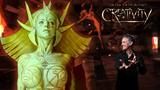















This advanced 2-hour workshop covers the Unreal Engine 5 lighting workflows that Naughty Dog Lighting Artist, Ted Mebratu, uses to achieve cinematic results.
Unreal’s Lumen is a very powerful Global Illumination system. However, when comparing it to static/baked methods, it can take some of the artistic control that Lightmaps make available to lighting artists. In addition, due to performance constraints of current hardware, there’s a limitation to how many runtime light sources you can place within a given scene using Lumen. With Lightmaps, however, this budget is practically infinite.
This workshop teaches both workflows to arm you with the skills that make the most sense for you. Starting with Lightmaps, the first portion of this video guide details the process of lighting an environment for two different scenarios — night and day — using baked/static Lightmaps (GPU Lightmass). Through these first chapters, Ted covers the different tricks and techniques he uses to craft baked direct and indirect lighting. He explains how to effectively use reflection probes to achieve believable results and walks through how to achieve realistic fog and atmospheric effects using static volumetric fog.
The workshop then dives into the process of creating a full multi-camera cinematic using Unreal 5’s Sequencer tool. Demonstrating using an ornate cathedral in Unreal, Ted showcases different techniques for shot lighting a cinematic sequence utilizing Lumen’s real-time GI system. He reveals how to create a full master cinematic sequence from scratch, featuring his top techniques for arranging and editing cinematic shots. You’ll also discover Ted’s approach to achieving dramatic compositions.
By completing this workshop, you should gain a solid insight into lighting in Unreal Engine 5 and understand how to create cinematics using UE5. There are many helpful takeaways from Ted’s workflow shared throughout that you can incorporate into your own projects.
10 Lessons
In this workshop, Ted Mebratu emphasizes proper preparation and workflow organization before starting the lighting process in Unreal Engine. By establishing reference cameras and creating a clean working environment, artists maintain better control over the lighting process and make more informed decisions about lighting improvements during bake cycles.
Duration: 4m 25s

This lesson goes over a methodical, iterative approach to lighting design in Unreal Engine using the GPU Lightmap system. Rather than attempting perfection immediately, Ted demonstrates the value of making a rough first pass for later refinement, focusing on light placement and atmospheric considerations. Artists learn how proper technical setup combined with artistic sensibility, such as varying light colors and positioning sources to create shadow play, results in more compelling environmental lighting than simply illuminating spaces evenly.
Duration: 7m 2s

Ted walks through how great lighting results from countless small adjustments such as refining intensities, colors, placements, and falloffs while constantly evaluating how light interacts with surfaces and contributes to the overall readability of the scene. Artists learn that patience, iteration, and attention to detail are essential components of creating believable, visually compelling interior lighting.
Duration: 25m

This lesson goes through final lighting refinement in real-time 3D environments, emphasizing the importance of volumetric effects, material response, and post-processing in achieving a polished, professional result. Ted balances technical problem-solving with artistic vision by addressing readability issues, enhancing atmosphere through volumetric fog, and applying subtle color grading.
Duration: 11m 15s

This lesson shows an efficient approach to creating daytime lighting in Unreal Engine by leveraging HDRI environments and volumetric effects. The main takeaway is that realistic daytime lighting requires a careful balance between multiple light sources and atmospheric effects, with continuous refinement of parameters to achieve visually compelling results. Rather than starting from scratch, Ted shows how reusing certain elements such as post-processing and reflection probes can streamline the relighting process.
Duration: 4m 35s

This lesson demonstrates a professional, detail-oriented approach to architectural lighting in game engines, emphasizing that quality results require extensive fixes and attention to small details. Artists learn a workflow that combines baked static lighting for performance with dynamic elements for visual fidelity, using manual techniques to ensure high-quality output.
Duration: 28m 20s

This lesson goes over how creating compelling cinematic sequences is an iterative process requiring constant refinement and adjustment. Success lies in carefully balancing composition, camera movement, pacing, and transitions to create a cohesive viewing experience. By establishing the camera sequence and blocking first with temporary lighting, Ted moves forward with the detailed lighting phase, having already solved the fundamental cinematography challenges.
Duration: 17m 35s

This lesson shows an innovative technique of keyframing sun positions per shot in the sequencer to ensure optimal lighting across all camera angles. By completing this foundational lighting pass with a combination of natural and artificial light sources, Ted establishes a solid base for further refinement and polish of the cinematic sequence.
Duration: 12m 40s

In this final lesson, Ted highlights the importance of methodical iteration and problem-solving when creating cinematic lighting in real-time engines. Ted balances realism with artistic drama, using additional light sources strategically to enhance visual interest while maintaining believable motivation. Artists see that effective lighting is as much about subtraction as about addition, with the final polish coming from post-processing effects that add cinematic quality to the rendered output.
Duration: 21m 40s


Primary tools
For this workshop you’ll need:

* Note that these programs and materials will not be supplied with the course.
Skills Covered
Who’s this Workshop for?
This workshop is intended for intermediate to advanced Unreal Engine users who want to create cinematic-quality lighting for real-time environments and narrative sequences. It is especially suited for lighting, environment, and technical artists working in game development, virtual production, or cinematic previs who need greater artistic control over lighting in Unreal Engine 5.
Filmmakers, indie developers, and VFX artists transitioning into real-time workflows will also benefit from this workshop. Artists who want to understand when and why to choose baked Lightmaps versus Lumen’s real-time global illumination will gain practical insight into balancing performance, control, and visual fidelity for professional projects.
Learning Outcomes
By completing this workshop, artists will develop a strong understanding of cinematic lighting workflows in Unreal Engine 5 using both baked and real-time techniques.
Key skills include:
- How to light environments for multiple scenarios, such as day and night, using GPU Lightmass.
- How to balance artistic control and performance when choosing between Lightmaps and Lumen.
- How to shape believable direct and indirect lighting using baked lighting techniques.
- How to use reflection probes to enhance realism and visual coherence in complex scenes.
- How to create atmospheric effects using static volumetric fog to support mood and storytelling.
- How to build and organize multi-camera cinematic sequences using Unreal Engine’s Sequencer.
- How to apply shot-based lighting techniques to enhance composition and cinematic impact.


