
 Photoshop
 Houdini
 Substance Painter
 Blender
 Unreal Engine
 Arnold
 Nuke
Nuke KeyShot
 V-Ray
V-Ray Marmoset Toolbag
 Marvelous Designer
 Substance Designer
 3ds Max
 3DCoat
 Redshift
 Faceform Wrap
 Lightroom
 After Effects
 OctaneRender
 SpeedTree
 Daz 3D
 Agisoft Metashape
 Fusion
 Modo
Modo RealityCapture
 Gaea
Gaea Cinema 4D
 Gravity Sketch
 Premiere
 Procreate
 Clip Studio Paint
 SketchUp
 Katana
 Natron
 Mudbox
 Quixel Bridge
 Quixel Megascans
 Quixel Mixer
 Substance 3D Modeler
 World Creator
 Yeti
Yeti Ziva VFX
 Mixamo
 Adobe Medium
 Quixel DDO
 xNormal
 Meshmixer
 Storyboard Pro
 DaVinci Resolve
 TreeIt
 World Machine
 Gaffer
 Corel Painter
 SynthEyes
 Krita
Krita Massive
 Materialize
 Unity
Unity Ornatrix
 PreForm
 Moi 3D
 animBot
 QuickTime
 ReCap
ReCap
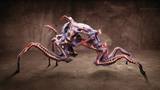












Approaching realistic creature modeling can feel daunting. In this 5-hour workshop, Aritz Basauri breaks down the modeling of a Fossa from the inside out, from the creature-studying process through the complete build of a detailed sculpt, using Maya, ZBrush, SketchBook Pro, Advanced Skeleton, and Mari.
You’ll learn how to refine your creature-studying process and make educated decisions about your modeling workflow. The workshop is intentionally sectioned into chapters that make the entire process easy to follow, beginning with sketches and anatomical studies. From there, Aritz jumps into Maya, where he instructs how to use the references to create your own studies and blueprints. You’ll explore how to set up the correct proportions for your model and tackle the modeling of the skeleton geometry before moving on to the main muscle groups using ZBrush. This creates a solid foundation for the sculpting of the Fossa’s skin. This workshop also covers retopology, UVs, and final skin surface detailing techniques.
This video series is aimed at students and junior artists. The goal of this tutorial is to help artists explore ways to approach the modeling of an existing creature, aiming for believable results. From setting up the base model to building an entire creature from the skeleton to the skin, you’ll explore various methods and techniques that will serve as roadmaps for your future modeling projects.
28 Lessons
This lesson demonstrates that successful 3D creature sculpting relies heavily on pre-production research and an understanding of the subject, rather than skipping directly to modeling. By treating sketching as a learning tool rather than an end product, artists can build comprehensive visual knowledge that translates to more efficient and accurate 3D work. The systematic approach of reference gathering, anatomical study, and iterative sketching creates a solid foundation for the subsequent sculpting phases.
Duration: 10m 53s

This blocking phase establishes the fundamental skeletal framework that will support the final creature design. By prioritizing silhouette accuracy and anatomical landmarks over fine details, Aritz builds a solid foundation for the next phase. The systematic approach of using basic geometry to represent complex skeletal structures demonstrates an efficient workflow for character creation, setting up the groundwork for adding detailed muscle and skin layers in subsequent lessons.
Duration: 9m 5s

This lesson emphasizes the critical importance of anatomical study and efficient workflow when creating creature skulls in ZBrush. Aritz demonstrates that successful creature sculpting relies more on understanding proportional relationships and systematically working through all major components than on getting lost in premature detail work. This approach ensures accurate anatomical representation while maintaining productive momentum throughout the sculpting process.
Duration: 10m 27s

This lesson emphasizes that, while creating detailed skeletal anatomy may not be essential in production pipelines, it provides valuable anatomical knowledge and creates a rewarding learning experience. Aritz stresses the importance of good references and understanding the mechanical relationships between bone structures. Even experienced artists need to continuously study references, as there's always more to learn about anatomical accuracy and the reasoning behind bone shapes and connections.
Duration: 19m 12s

This lesson emphasizes a methodical approach to anatomical sculpting, prioritizing functional anatomy over excessive detail. Aritz demonstrates how understanding muscle attachment points and surface landmarks guides the sculpting process more effectively than simply copying visual references. The workflow focuses on maintaining appropriate resolution levels while ensuring all major anatomical features that influence the final form are properly represented.
Duration: 14m 26s

This workflow demonstrates an efficient approach to creature rigging by combining manual anatomical knowledge with automated rigging tools. The Advanced Skeleton plugin significantly speeds up the rigging process while maintaining flexibility for customization and future modifications. Testing the rig against reference poses ensures the character can achieve the desired range of motion and maintains anatomical believability throughout the animation process.
Duration: 8m 34s

This lesson showcases the refinement phase of character rigging, where careful anatomical adjustments transform initial measurements into a well-proportioned digital character. Aritz emphasizes the importance of proper preparation and systematic adjustment of key anatomical elements, such as forelimb proportions and ribcage depth. The seamless workflow between modeling and rigging files enables efficient iteration and real-time feedback throughout the character development process.
Duration: 1m 43s

This lesson provides a comprehensive foundation for understanding canine musculature from an artistic perspective. Aritz's systematic approach of building from skeleton to superficial muscles creates a solid framework for anatomical accuracy while emphasizing silhouette-affecting structures. The next lesson will focus on sculpting these drawn muscle forms, taking the anatomical study from 2D reference to 3D realization.
Duration: 11m 2s

This lesson emphasizes a practical approach to creature muscle modeling that prioritizes functional anatomy over perfect anatomical accuracy. Aritz demonstrates how simplified muscle volumes can effectively support skin modeling and potential simulation work while maintaining believable creature proportions. The focus on silhouettes and understanding muscle relationships provides a solid foundation for creating realistic digital creatures without getting lost in overly complex anatomical details.
Duration: 13m 7s

This lesson showcases a methodical, anatomy-based approach to 3D muscle modeling that prioritizes understanding real anatomical relationships over surface details. By building from the inside out and focusing on how muscles layer, connect, and influence each other's shape, artists can achieve realistic complexity that serves as a solid foundation for adding skin and surface details later. Aritz's emphasis on avoiding overly bulky proportions and using human anatomy as a reference point provides practical guidance for creating believable creature anatomy.
Duration: 14m 35s

This lesson demonstrates the transition from the muscle system to skin sculpting in creature modeling. Aritz emphasizes that successful creature modeling requires constant refinement and a willingness to revisit earlier work, treating each stage as part of an interconnected system rather than isolated components. The attention to both visible exterior details and interior structures, such as teeth, shows the importance of anticipating how the final creature will be used and viewed from multiple angles.
Duration: 16m 1s

This lesson highlights the complex balance between technical skill and artistic judgment required in creature modeling. Aritz's analogy of sculpting as cooking effectively captures the experimental, iterative nature of the process. The emphasis on preparatory work paying off in visual memory development, combined with the flexibility to make major changes at any stage, demonstrates a professional approach to achieving realistic, anatomically correct 3D creatures.
Duration: 16m 30s

This lesson emphasizes the importance of patience and iteration when sculpting complex anatomical features, such as hands and feet. Aritz shares that struggling with difficult shapes is part of the natural process, and sometimes, the best approach is to move forward and return later with fresh eyes. The key is building anatomical understanding into the work while maintaining artistic vision for the overall creature design.
Duration: 11m 30s

This lesson demonstrates an advanced 3D character modeling workflow focused on creating realistic mouth anatomy. Aritz emphasizes the importance of strategic mesh separation for downstream processes such as retopology, while maintaining flexibility to refine proportions throughout sculpting. The approach demonstrates how technical knowledge of software tools, combined with an anatomical understanding, leads to more efficient and effective character-creation workflows.
Duration: 13m 10s

This lesson demonstrates the iterative and flexible nature of character sculpting, where artists must remain open to making significant changes, even in later stages, as comparing against references reveals necessary improvements. While the current sculpted model serves as a solid foundation, Aritz prepares to transition into the retopology phase, where proper edge flow and topology will be established to translate all the sculpted details into a production-ready mesh.
Duration: 6m 42s

Aritz's retopology approach prioritizes functional efficiency over maximum detail, focusing on creating clean, animation-friendly geometry that meets the project's specific needs. By studying reference materials and planning for deformation, Aritz achieves a low-poly model that maintains essential shape characteristics while being optimized for simulation and rendering with fur. This demonstrates how technical decisions in retopology should always align with the final intended use of the 3D model.
Duration: 9m 58s

This retopology lesson emphasizes that successful retopologizing requires balancing technical efficiency with artistic quality. The key is understanding how the model will be used in production, considering deformation needs, animation requirements, and rigging constraints. While the process can be time-consuming, approaching it methodically, by focusing on critical anatomical features and maintaining clean edge flow, results in production-ready geometry suitable for animation and rendering.
Duration: 17m 19s

This lesson emphasizes the importance of methodical topology planning and having flexible problem-solving approaches in 3D modeling. Aritz demonstrates that even experienced modelers encounter unexpected challenges and must adapt their techniques, underscoring that manual work is often necessary to achieve clean, professional results. The key lesson is that proper preparation, particularly in vertex alignment and edge flow planning, prevents major issues during the mirroring and cleanup phases of the modeling process.
Duration: 9m 42s

This lesson demonstrates a practical approach to character retopology that balances efficiency with anatomical accuracy. The instructor's method of working in sections, using time-saving techniques such as cylinder fitting, and focusing on muscle-based topology creates a mesh optimized for animation deformation. The emphasis on maintaining simple yet anatomically informed topology ensures the final model will perform well during character animation while remaining manageable to work with.
Duration: 16m 41s

This retopology lesson emphasizes a methodical approach to creating clean hand and foot topology by prioritizing consistent edge flow over perfect shape matching initially. Aritz demonstrates that successful retopology often requires knowing when to work manually rather than rely on automatic tools, especially in complex areas like closely spaced fingers. The key takeaway is that creating reusable, clean topology solutions and being flexible when tools don't cooperate leads to better results than trying to force perfect automatic projections.
Duration: 18m 54s

This lesson demonstrates a methodical approach to preparing a creature model for texturing, emphasizing manual control over automatic processes. Aritz’s strategy of allocating UV resolution based on surface visibility and material requirements (fur vs. skin) shows efficient resource management. The combination of Maya and ZBrush tools allows for precise control over both topology cleanup and detail transfer, resulting in a production-ready asset with optimized UV layouts.
Duration: 12m

This lesson provides a comprehensive approach to creating realistic 3D eyes by focusing on proper anatomy, efficient UV layout, and attention to small details that enhance realism. The workflow demonstrates how to progress from basic shapes to detailed, production-ready eye geometry while maintaining clean topology and proper integration with surrounding facial features. The emphasis on using the reference for anatomical accuracy shows the importance of observation in creating believable digital characters.
Duration: 6m 15s

This lesson demonstrates that successful creature modeling requires balancing technical precision with creative flexibility. Even after establishing the foundational elements, artists should remain open to making significant adjustments to proportions and forms during the detailing phase. The key is maintaining a systematic approach while staying true to reference materials and continuously evaluating the overall design to ensure the creature develops believable character and form.
Duration: 9m 20s

The main takeaway from this lesson is that successful creature sculpting requires a holistic approach that balances artistic intuition with a technical understanding of how surfaces behave under lighting. Rather than getting caught up in excessive micro-detailing, artists should focus on creating surfaces where the specularity will respond believably to light. Aritz emphasizes the importance of finding a personal workflow that balances reference study with intuitive sculpting to achieve convincing, lifelike creature models.
Duration: 11m

This lesson demonstrates the importance of patience and systematic iteration when refining complex anatomical features in digital sculpting. Aritz’s approach of working within technical limitations, while continuously moving between different areas, helps maintain momentum and prevents getting stuck on difficult parts. The emphasis on reference materials and understanding the creature's locomotion needs shows how functional anatomy should drive aesthetic decisions in creature design.
Duration: 9m 54s

This lesson showcases an experienced artist's approach to creature sculpting, balancing technical proficiency with artistic intuition. The key lesson is that successful creature modeling requires constant evaluation and refinement rather than linear progression, with careful attention to maintaining proper proportions as layers of believable organic detail are built. Aritz’s workflow demonstrates how technical tools should serve the creative vision, choosing methods that allow for maximum flexibility and iteration in the artistic process.
Duration: 16m 20s

This lesson showcases a systematic approach to adding realistic surface detail to 3D creatures using Mari's texturing capabilities. Aritz demonstrates how proper planning with masks and tileable textures can create convincing surface variation while maintaining workflow flexibility. This foundation work lays the groundwork for more advanced detailing phases, emphasizing the importance of building complexity gradually rather than committing to final details too early in the process.
Duration: 20m 28s

This final lesson of Aritz's workshop successfully demonstrates a comprehensive approach to 3D creature creation, from initial setup through final rigged model. Aritz emphasizes that, while the basic model is functional and proportionally accurate when tested against reference photos, it represents a solid foundation that can be further refined and enhanced. The educational value lies not just in the final result, but in the transferable workflow techniques that viewers can adapt to their own character creation projects.
Duration: 7m 31s

Primary tools
For this workshop you’ll need:


* Note that these programs and materials will not be supplied with the course.
Skills Covered
Who’s this Workshop for?
This workshop is specifically designed for students and junior artists who want to master realistic creature modeling. Those with basic knowledge of Maya and ZBrush will benefit most, as the content builds foundational skills in anatomical accuracy and professional workflow development.
Intermediate artists looking to refine their creature creation process will also gain valuable insights. The comprehensive approach covers everything from initial research to final detailing and provides a complete roadmap for any creature modeling project, making it ideal for portfolio development.
Learning Outcomes
By completing this workshop, artists will develop a comprehensive creature modeling workflow, from anatomical research to final surface detailing, using industry-standard tools.
Key skills include:
- How to conduct effective creature research and create accurate anatomical reference studies.
- How to establish proper proportions and build reliable blueprints for creature modeling projects.
- How to model skeletal geometry as a foundation for realistic creature anatomy.
- How to sculpt major muscle groups in ZBrush using anatomically-informed modeling techniques.
- How to approach retopology and UV mapping for complex organic creature models.
- How to apply advanced surface detailing techniques for believable skin textures and features.
- How to integrate multiple software tools effectively throughout the creature development pipeline.


