
 Photoshop
 ZBrush
 Houdini
 Blender
 Unreal Engine
 Arnold
 Nuke
Nuke KeyShot
 Marmoset Toolbag
 Mari
Mari Marvelous Designer
 3ds Max
 3DCoat
 Redshift
 Faceform Wrap
 Lightroom
 After Effects
 OctaneRender
 SpeedTree
 Daz 3D
 Agisoft Metashape
 Fusion
 Modo
Modo RealityCapture
 Gaea
Gaea Cinema 4D
 Gravity Sketch
 Premiere
 Procreate
 Clip Studio Paint
 SketchUp
 SketchBook
 Katana
 Natron
 Mudbox
 Quixel Bridge
 Quixel Megascans
 Quixel Mixer
 Substance 3D Modeler
 World Creator
 Yeti
Yeti Ziva VFX
 Mixamo
 Adobe Medium
 Quixel DDO
 xNormal
 Meshmixer
 Storyboard Pro
 DaVinci Resolve
 TreeIt
 World Machine
 Gaffer
 Corel Painter
 SynthEyes
 Krita
Krita Massive
 Materialize
 Unity
Unity Ornatrix
 PreForm
 Moi 3D
 animBot
 QuickTime
 ReCap
ReCap





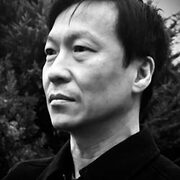







Learn various professional techniques and approaches to create an optimized, precise, versatile 3D building model and texture it with smart materials in Substance Painter using non-destructive and adaptable workflows. While this tutorial is mainly oriented at intermediate VFX artists, artists of all levels and disciplines will enjoy learning the efficient new workflows demonstrated.
In this 7-hour workshop by Dmitry Kremiansky, he pulls from his 8-plus years of experience in the industry working at top studios to instruct how to create highly optimized, precise, and versatile models. Since his techniques are universal, whether you're a Maya user or work with other 3D software, the knowledge shared in this workshop is transferable to 3ds Max and Blender and is ultimately intended to help you boost the quality of your output.
One focus of this workshop is creating truly "smart materials" in Substance Painter using anchor points, manual channels, and UDIMS. Dmitry also shows how to create textures in multiple increments that allow better communication across departments, using non-destructive and highly adaptable workflows.
While this tutorial is created using VFX and cinematics workflows — therefore mainly targeting intermediate generalists and environment artists working on buildings and man-made structures — the techniques shared will be useful whether you’re working in visual effects or games. The goal is for all artists working in concept, modeling, look dev, and lighting to benefit from this workshop and learn new robust modeling, UV, and texturing workflows, plus develop healthy practices to create detailed hero assets in a studio pipeline.
10 Lessons
This workshop offers an industry-standard approach to environment art creation for VFX and cinematics. It provides end-to-end training in 3D modeling and texturing, taking artists through the pipeline from concept to final render. This workshop is designed for artists looking to elevate their skills in environment art.
Duration: 1m 23s

This lesson guides artists through the process of gathering references and selecting resources. Thorough preparation, smart organization, and legal awareness are important first steps. By breaking down projects, prioritizing elements, and understanding the legal implications of asset usage, artists can work more efficiently while protecting themselves and their clients from potential complications.
Duration: 12m 10s

In this lesson, Dmitry Kremiansky explains his approach to architectural modeling. The most important factor is investing time in establishing the correct scale, creating detailed versions of repeating elements, and maintaining clean topology with proper UVs. Understanding real-world construction directly translates to more believable 3D architecture, making technical knowledge and observational skills important for environmental modeling.
Duration: 45m 3s

This lesson emphasizes an approach to architectural modeling that prioritizes efficiency and flexibility. By working iteratively and using non-destructive techniques, artists can avoid costly reworks later in the process. The emphasis on frequent saving, geometry cleanup, and reuse of assets reflects a real-world production environment where time management and technical stability are crucial to the project’s success.
Duration: 38m 20s

This lesson builds on the professional hard-surface modeling techniques demonstrated in the previous lessons. The methods demonstrated prioritize reusability, proper topology, and material-appropriate detailing. Though the process can be tedious, the methods, when implemented correctly, result in high-quality environmental assets suitable for production.
Duration: 44m 30s

This lesson emphasizes the importance of thoughtful modeling decisions, as Dmitry reveals that understanding real-world construction is crucial for creating believable 3D assets. By combining proper UV organization, geometry optimization, and procedural techniques for adding imperfections, the workflow produces detailed architectural elements that read well while remaining manageable to texture and render.
Duration: 33m 14s

In this lesson, Dmitry finishes the modeling work, covering the importance of real-world construction methods, using trim sheets, and reusing assets based on camera angles. He demonstrates how to create a detailed building that would typically require 40 UDIMs using only 30, with 10 being reused geometry.
Duration: 35m 5s

In this lesson, Dmitry sets out a flexible texturing workflow. By leveraging procedural masks and layered detail in Substance 3D Painter and Substance 3D Designer, artists can achieve photorealistic weathered glass and stonework while maintaining complete control over the intensity and placement of details. Dmitry discusses the distinction between interior and exterior weathering, demonstrating a professional-level attention to environmental storytelling that makes 3D environments believable.
Duration: 59m 25s

This lesson demonstrates an advanced, production-quality approach to texturing that uses procedural generation and non-destructive workflows. The method of building materials layer-by-layer with the use of generators, blend modes, and anchor points creates realistic, art-directable results that maintain flexibility for potential revisions. Understanding real-world material behavior, such as how varnish pools at edges, how water creates streaks on copper, and how wood darkens where varnish wears away, results in highly convincing textures.
Duration: 1h 23m 53s

The final lesson in the workshop demonstrates a highly efficient, production-ready approach to environment art that prioritizes iteration speed and smart asset management over brute-force detail work. By using techniques like procedural texturing with manual touch-ups, and reusing assets, Dmitry creates a convincing historical building within a practical time frame. Artists can achieve professional-quality results by using systematic workflows and knowing where to invest effort, rather than trying to perfect every detail.
Duration: 1h 6m 18s

Primary tools
For this workshop you’ll need:


* Note that these programs and materials will not be supplied with the course.
Skills Covered
Who’s this Workshop for?
This workshop is primarily designed for intermediate VFX artists specializing in creating buildings and other man-made structures for film and other cinematic projects. Artists working at studios who need to produce detailed hero assets will find these professional techniques helpful.
However, 3D artists at all skill levels and across all disciplines will benefit from these modeling and texturing workflows. Whether artists work in games, concept art, or look development, they’ll gain valuable knowledge in non-destructive techniques that translate across Maya, 3ds Max, and Blender to elevate their production quality.
Learning Outcomes
By completing this workshop, artists master professional techniques for creating optimized 3D building models and smart material workflows used in top-tier studios.
Key skills include:
- How to create highly optimized 3D building models using professional industry techniques.
- How to develop versatile models that work efficiently across different production pipeline departments.
- How to build smart materials in Substance Painter.
- How to implement UDIMS for complex texturing workflows.
- How to create non-destructive texturing workflows that allow for better cross-departmental communication.
- How to establish robust UV mapping strategies for detailed hero assets in studio pipelines.
- How to develop adaptable modeling workflows that transfer between Maya, 3ds Max, and Blender.


