
 Photoshop
 Maya
Maya ZBrush
 Substance Painter
 Blender
 Unreal Engine
 Arnold
 Nuke
Nuke KeyShot
 V-Ray
V-Ray Marmoset Toolbag
 Mari
Mari Marvelous Designer
 Substance Designer
 3ds Max
 3DCoat
 Redshift
 Faceform Wrap
 Lightroom
 After Effects
 OctaneRender
 SpeedTree
 Daz 3D
 Agisoft Metashape
 Fusion
 Modo
Modo RealityCapture
 Gaea
Gaea Cinema 4D
 Gravity Sketch
 Premiere
 Procreate
 Clip Studio Paint
 SketchUp
 SketchBook
 Katana
 Natron
 Mudbox
 Quixel Bridge
 Quixel Megascans
 Quixel Mixer
 Substance 3D Modeler
 World Creator
 Yeti
Yeti Ziva VFX
 Mixamo
 Adobe Medium
 Quixel DDO
 xNormal
 Meshmixer
 Storyboard Pro
 DaVinci Resolve
 TreeIt
 World Machine
 Gaffer
 Corel Painter
 SynthEyes
 Krita
Krita Massive
 Materialize
 Unity
Unity Ornatrix
 PreForm
 Moi 3D
 animBot
 QuickTime
 ReCap
ReCap

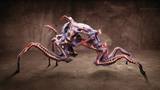
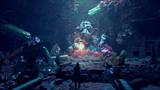





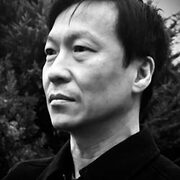







Discover how to use Houdini to create a swamp monster emerging from an environment and dripping with mud. This 5-hour workshop by VFX Artist David Silberbauer is intended to be beginner-friendly but is also valuable for intermediate-level artists.
This workshop demonstrates how to manipulate attributes, discusses HeightField and MPM solver basics, explains how to use VDB processes to create sources, and covers the FLIP fluids basics, as well as HeightField scattering, Fluid Meshing, and how to use the MPM workflow. David’s guidance is particularly beneficial for artists wanting to dive into various techniques achievable within Houdini.
In this tutorial, David provides a wide range of workflows that benefit FX artists and those wanting an in-depth look at creating a full CG environment with animation, effects, and lighting/compositing, from start to finish. Artists can follow along to make a procedural setup entirely in Houdini – no other software is required. The process begins by setting up an animation and then describes how to modify it using simple and efficient methods and tools, such as the Point Deform and TimeShift tools.
Learn how a semi-procedural setup can simulate mud flowing down the monster and discover how to optimize the flow speed on the fly. David also details how the new MPM Solver can be best used to achieve the required results without getting stuck in iteration loops or hitting roadblocks. Since MPM can be very resource-expensive, David discusses the importance of what MPM is best for and what it’s not.
David demonstrates efficient workflows for building environments using height fields and shows how to scatter vegetation and process those elements using USD. Finally, he walks through the final scene assembly in USD and demonstrates helpful lighting and rendering techniques to create a polished CG shot worthy of your portfolio.
This workshop includes the Houdini file with the mud_monster setup as a downloadable project file.
8 Lessons
This workshop provides a comprehensive approach to creating a complex VFX shot that combines character animation with physical simulation. David Silberbauer discusses both technical workflow and artistic decision-making. This workshop provides a foundation for learning modern simulation techniques in Houdini while understanding how professional VFX artists approach problem-solving, from concept through execution.
Duration: 9m 48s

This lesson provides artists with a foundation from which to create creature effects in Houdini, emphasizing proper planning and a procedural workflow. The use of VDB manipulation, noise, and point deformation techniques transforms a standard mocap animation into a base for the mud creature. This procedural approach could be adapted for entirely different effects, like rock or ice creatures.
Duration: 47m 28s

In this lesson, David demonstrates a procedural approach to creating organic effects in Houdini, relying on VDB workflows to efficiently create the swamp creature. For the environment, experimentation with heightfields allows for a non-destructive workflow, providing flexibility for quick artistic changes. The techniques shown prepare the groundwork for particle simulations in later videos.
Duration: 49m 11s

This lesson covers working with Houdini's MPM solver to create complex multi-material simulations. Although the lesson covers the basic setup and workflows, the MPM solver requires experimentation and isn't a one-size-fits-all solution. It is important to know when to use MPM versus other simulation methods, and how to leverage its ability to combine multiple material types with varying physical properties in a single simulation environment.
Duration: 50m 43s

This lesson demonstrates a workflow for creating realistic mud simulations in Houdini while maintaining stability and performance. It is crucial to understand how to control simulation attributes to achieve desired artistic results rather than relying on the default settings. Mastering attribute control gives artists the flexibility to customize simulations to match their creative vision while keeping computation manageable for individual workstations.
Duration: 37m 29s

This lesson demonstrates how to layer FLIP fluid simulation with the output of the MPM solver to create a varied mud texture, complete with drips. Although there is rarely a single 'correct' way to achieve an effect in Houdini, combining different solvers and techniques often yields the best results.
Duration: 42m 28s

This lesson explores how to bridge the gap between procedural modeling and modern USD-based rendering workflows. By properly structuring the transition from SOPs to Solaris with optimized point instancing and attribute-driven materials, artists can maintain interactive performance while working with complex scenes containing thousands of assets. The attribute-based shading approach demonstrated is particularly powerful, allowing procedural control over material properties that respond dynamically to simulation data.
Duration: 51m 40s

This final lesson brings together the key takeaways from the workshop. From character animation to environment creation, fluid simulation, volumetric effects, practical lighting, and final rendering, David’s approach highlights the iterative nature of look development and the importance of building flexible, artist-friendly setups that allow for creative experimentation and refinement.
Duration: 43m 51s

Primary tools
For this workshop you’ll need:

* Note that these programs and materials will not be supplied with the course.
Project Files
This workshop provides access to the project file David Silberbauer uses to support the learning process. Artists will have access to:
- Houdini project files (.hipnc) – Complete scene files showing the full workflow and setup process
- The project file is provided by the instructor as a courtesy to give artists additional hands-on practice while following the demonstrated workflow. –
Skills Covered
Who’s this Workshop for?
This workshop is designed for beginner-level Houdini and VFX artists looking to explore advanced simulation techniques in a structured, accessible way. Artists new to procedural workflows, FLIP fluids, and MPM solvers will find David Silberbauer’s approach valuable for building foundational skills.
Intermediate artists seeking to expand their technical toolkit will also benefit significantly from this training. The workshop offers insights into efficient production workflows, environment building, and USD pipeline integration that experienced artists can immediately apply to professional projects and portfolio development.
Learning Outcomes
By completing this workshop, artists will have developed essential skills in Houdini's simulation tools, procedural environment creation, and professional rendering workflows for the production of complete CG shots.
Key skills include:
- How to manipulate attributes and create procedural setups for character animation modification.
- How to use HeightField workflows for efficient environment building and terrain generation.
- How to implement MPM solver techniques for realistic mud and viscous fluid simulations.
- How to optimize FLIP fluid simulations and achieve proper meshing for production-ready results.
- How to scatter vegetation procedurally and process environmental elements using USD workflows.
- How to assemble final scenes in USD with professional lighting and rendering techniques.


