
 Photoshop
 Maya
Maya ZBrush
 Houdini
 Substance Painter
 Blender
 Unreal Engine
 Arnold
 Nuke
Nuke KeyShot
 V-Ray
V-Ray Marmoset Toolbag
 Mari
Mari Marvelous Designer
 Substance Designer
 3ds Max
 3DCoat
 Redshift
 Faceform Wrap
 Lightroom
 After Effects
 OctaneRender
 SpeedTree
 Daz 3D
 Agisoft Metashape
 Fusion
 Modo
Modo RealityCapture
 Gaea
Gaea Cinema 4D
 Gravity Sketch
 Premiere
 Procreate
 Clip Studio Paint
 SketchUp
 SketchBook
 Katana
 Natron
 Mudbox
 Quixel Bridge
 Quixel Megascans
 Quixel Mixer
 Substance 3D Modeler
 World Creator
 Yeti
Yeti Ziva VFX
 Mixamo
 Adobe Medium
 Quixel DDO
 xNormal
 Meshmixer
 Storyboard Pro
 DaVinci Resolve
 TreeIt
 World Machine
 Gaffer
 Corel Painter
 SynthEyes
 Krita
Krita Massive
 Materialize
 Unity
Unity Ornatrix
 PreForm
 Moi 3D
 animBot
 QuickTime
 ReCap
ReCap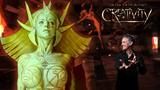
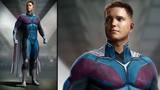
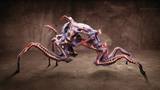
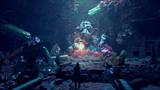











Art Director and Visual Development Artist, Francesco Guarini, details the art of visual storytelling for production and shares how to create successful cinematic compositions. He walks through the theory behind great shots in cinema and discusses the importance of lighting, including its effect on an audience. Francesco also teaches how to develop your ideas, transforming them into production-ready black-and-white visual development paintings.
Throughout this workshop, you’ll learn about the fundamental compositional influencers, including how to recognize them and how to use them to tell your stories most effectively. You will also gain an understanding of the importance of balance and tonal values in composition, as well as how they all come together in a successful image.
Following Francesco's workflow and thought processes, you will discover how to use the power of Photoshop and Blender combined to produce highly detailed paintings in a short amount of time. Starting from a blank canvas, you’ll follow Francesco through the production of a variety of ideas before moving into Blender, where he shares how to create basic blockings of those ideas. In Blender, he continues experimenting with lights and cameras, before jumping back into Photoshop where he discusses his rendering process, step by step.
This workshop is suitable for any artist level working, or aiming to work, in the entertainment industry, from beginners looking to understand what composition is all about to professionals looking to strengthen their knowledge.
Project files provided with this workshop include JPG sheets of all his steps, from rough sketches to the final paintings.
11 Lessons
This workshop offers a practical, streamlined approach to cinematic composition by combining photography fundamentals with digital painting and 3D tools. Francesco Guarini aims to help develop an artistic eye and create compelling story-driven compositions through a complete production workflow.
Duration: 1m 51s

Mastering cinematic composition requires understanding both the technical guidelines and the storytelling applications. The 10 compositional influencers presented are flexible tools that can be combined or even intentionally broken to convey specific emotions and guide viewer attention. It is essential to recognize that every choice, from symmetry to contrast and negative space, should serve the dual purpose of creating visually appealing images while effectively communicating narrative meaning.
Duration: 17m 23s

Light functions as a symbolic language that unlocks archetypal responses, making it vital for effective visual storytelling. By carefully controlling the quality, intensity, direction, and color of light, it becomes possible to guide audience emotions and reinforce narrative themes. Lighting choices should always serve the story, whether creating the welcoming warmth of a "happily ever after" or the cold, shadowy unease of mystery.
Duration: 8m 4s

Thorough reference gathering is foundational to successful concept art, often comprising half of the total workload. By strategically collecting primary references from diverse real-world sources while maintaining accurate cultural elements, it is possible to create original, believable compositions. Proper preparation through research not only improves final results but also accelerates the production process.
Duration: 8m 22s

This lesson emphasises that strong composition begins with intentional planning and systematic thinking rather than random sketching. Following a structured approach with a clear focus, appropriate tools, and a simple value structure allows for the efficient exploration of multiple ideas. Improvement comes through continuous practice and the active study of professional work, constantly asking why certain choices were made.
Duration: 17m 55s

Francesco’s workflow demonstrates how 3D tools can accelerate the concept art process without replacing traditional artistic skills. By using Blender as a problem-solving tool rather than pursuing technical perfection, artists can quickly establish solid foundations for lighting, perspective, and composition. The time saved through this efficient blocking approach translates directly into higher-quality final paintings and ultimately more work opportunities.
Duration: 15m 25s

Successful concept art requires a structured approach that balances technical precision with artistic flexibility. A 3D base provides a strong foundation for form, but the final result is driven by refinement and storytelling choices. Polished work comes from working in clear stages while remaining adaptable enough to add narrative-strengthening details.
Duration: 13m 29s

This lesson explains the importance of maintaining compositional hierarchy throughout the painting process, from initial values to final rendering. The central takeaway is to balance detail work with overall awareness, ensuring that atmospheric elements and contrast distribution guide the viewer's eye to the focal point. Technical approaches ensure the character remains the focus, while environmental storytelling creates intrigue.
Duration: 13m 7s

This lesson demonstrates that successful composition often requires significant problem-solving and adjustment, even when initial blocking isn't perfect. The central focus is maintaining confidence in the iterative process while respecting fundamental principles like value structure and focal hierarchy. By challenging ourselves with complex scenarios in personal work such as rendering subtle details in extreme darkness, we build the technical skills and mental library needed for efficient execution in professional projects.
Duration: 11m 20s

Successful color painting requires understanding the relationship between value and color intensity. Francesco explains why it is not possible to simply overlay color onto any grayscale composition and expect vibrant results; value structure must be planned based on the intended color palette. This knowledge prevents desaturation and ensures that images retain their dramatic impact when translated from grayscale to color.
Duration: 6m 29s

The core lesson in this workshop is that mastering cinematic composition requires understanding fundamental theory rather than memorizing technical steps. While the learning process may initially feel frustrating when tackling difficult subjects, this discomfort is what drives skill development. Francesco’s ultimate measure of success is whether the principles can be applied independently in various creative endeavors.
Duration: 2m 30s

Primary tools
For this workshop you’ll need:
Project Files
When you download the workshop files, you'll get access to Francesco Guarini's breakdown of cinematic composition files. Inside, you'll find:
- Raw renders (.jpg) – Renders of the cinematic compositions that Francesco creates in his workshop
- Rough compositions (.jpg) - Rough sketches of the cinematic scenes to reference
Skills Covered
Who’s this Workshop for?
This workshop is designed for artists at any level who are working or aspire to work in the entertainment industry. From beginners eager to grasp fundamental composition principles to seasoned professionals aiming to refine their visual storytelling skills, Francesco Guarini's comprehensive approach makes complex concepts accessible and engaging for everyone.
Visual development artists, concept artists, art directors, and illustrators will find this production-focused workshop especially valuable. The lessons provide practical workflows combining Photoshop and Blender, offering actionable insights into professional visual development that can immediately elevate your creative output and storytelling abilities.
Learning Outcomes
On completing this workshop, artists emerge having developed the essential skills for creating cinematic compositions and production-ready visual development paintings.
Key skills include:
- How to recognize and utilize fundamental compositional influencers for effective visual storytelling.
- How to create successful cinematic compositions using professional theory and techniques.
- How to use lighting strategically to enhance mood and guide audience emotional response.
- How to develop rough ideas into polished, production-ready, black-and-white visual development paintings.
- How to combine Photoshop and Blender efficiently for detailed concept art production workflows.
- How to create basic blockings in Blender while experimenting with lighting and camera angles.
- How to apply professional rendering processes step-by-step for high-quality final artwork.


