
 Photoshop
 Maya
Maya ZBrush
 Houdini
 Substance Painter
 Blender
 Unreal Engine
 Arnold
 Nuke
Nuke KeyShot
 V-Ray
V-Ray Marmoset Toolbag
 Mari
Mari Marvelous Designer
 Substance Designer
 3ds Max
 3DCoat
 Redshift
 Faceform Wrap
 Lightroom
 After Effects
 OctaneRender
 SpeedTree
 Daz 3D
 Agisoft Metashape
 Fusion
 Modo
Modo RealityCapture
 Gaea
Gaea Cinema 4D
 Gravity Sketch
 Premiere
 Procreate
 Clip Studio Paint
 SketchUp
 SketchBook
 Katana
 Natron
 Mudbox
 Quixel Bridge
 Quixel Megascans
 Quixel Mixer
 Substance 3D Modeler
 World Creator
 Yeti
Yeti Ziva VFX
 Mixamo
 Adobe Medium
 Quixel DDO
 xNormal
 Meshmixer
 Storyboard Pro
 DaVinci Resolve
 TreeIt
 World Machine
 Gaffer
 Corel Painter
 SynthEyes
 Krita
Krita Massive
 Materialize
 Unity
Unity Ornatrix
 PreForm
 Moi 3D
 animBot
 QuickTime
 ReCap
ReCap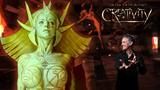
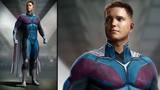







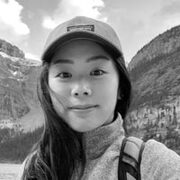



Costume concept artists are responsible for bringing a costume designer’s vision to life. They create the template for building the costumes that we see on screen. Gina DeDomenico is an industry veteran with over three decades of experience creating costume concept art. She has worked with many renowned costume designers, such as Ruth Carter and Laura Jean Shannon, and has amassed credits including Doom Patrol, Django Unchained, Malcolm X, Green Lantern, plus so many more.
In this 3.5-hour workshop, Gina lectures on the importance of concept art in costume design for film and TV. Sharing her complete workflow for creating costume concept art, Gina reveals her personal approach, from her hardware preferences to how she uses DAZ 3D to establish an initial pose and through her entire Photoshop process. You’ll see how she illustrates the design elements, details the character, adds color, and completes her work by setting the background and lighting for the final presentation.
The subject of the workshop offers a fresh take on a Star Trek classic: Borg Queen — an illustration Gina first tackled back in the 1990s. The workshop demonstrates her current process and discusses some of the evolution in hardware and techniques that she’s experienced over the decades, revealing just how far concept art has come.
6 Lessons
This workshop walks through Gina DeDomenico’s complete digital workflow for professional costume concept art, emphasizing the importance of non-destructive editing techniques, efficient use of keyboard shortcuts, and strategic layering. The combination of DAZ 3D for pose creation and extensive Photoshop manipulation demonstrates how modern digital tools can streamline the costume design process. Gina prioritizes flexibility and refinement, always keeping original elements intact while building up detailed, production-ready concept illustrations.
Duration: 31m 44s

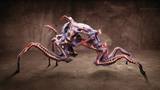
This lesson breaks down a professional concept art workflow where Gina combines photographic reference with digital painting techniques to create otherworldly creature designs. A methodical approach of duplicating layers, working in sections, and maintaining organized files allows for creative freedom while building complex, textured surfaces. Artists explore how non-destructive editing and layer organization reflect industry-standard practices that enable rapid iteration.
Duration: 42m 50s

This lesson outlines a non-destructive, iterative workflow for creating realistic, painterly digital costume illustrations, as demonstrated by Gina. Successful digital illustration requires constant refinement, using tools such as layer masks, blend modes, and filters while maintaining awareness of light direction and anatomical form. Artists learn that specific techniques for soft edges and preserving editing flexibility are essential for professional results.
Duration: 34m 32s

Gina walks through an advanced Photoshop workflow for creating detailed sci-fi character concept art, emphasizing the importance of working in grayscale values before adding color. Extensive use of blend modes, layer masks, and smart duplication techniques shows how digital tools enable experimentation that would be impossible with traditional media. Artists discover how starting with values provides a stronger foundation for lighting and form.
Duration: 55m

This lesson explores how digital character painting is an iterative, flexible process requiring constant evaluation, a philosophy Gina applies to every design. Professional work involves repeatedly checking proportions using techniques like canvas flipping and gradually building colors using blend modes and low-opacity brushes. Artists understand that adjustments will continue even after adding backgrounds and other elements to the creative process.
Duration: 20m 12s

This comprehensive final lesson in Gina's workshop highlights that professional costume concept art requires careful attention to atmospheric effects, lighting, and layer management. Experimenting with blend modes and building effects gradually allows you to maintain the flexibility to adjust or remove elements. Artists realize that proper crediting and documentation practices distinguish professional concept art from personal fan art.
Duration: 30m 50s

Primary tools
For this workshop you’ll need:
Project Files
When you download the workshop files, you'll gain access to Gina Dedomenico's helpful resources. Inside, you'll find:
- Reference materials (.pdf,.jpg) – Reference images, 3D render, and illustrations to support your workflow
Skills Covered
Who’s this Workshop for?
This workshop is designed for aspiring and intermediate concept artists who want to specialize in costume design for film and television. Artists with basic digital illustration skills and familiarity with Photoshop will be able to fully benefit from Gina Dedomenico's professional techniques and valuable industry insights.
Costume designers, character artists, and entertainment industry professionals will also gain tremendous value from exploring the complete costume concept workflow. The workshop offers in-depth guidance on professional presentation standards and reveals the collaborative process between costume designers and concept artists on major productions.
Learning Outcomes
On completion of this workshop, artists will have mastered a professional costume concept art workflow from initial pose setup through to final presentation-ready illustrations.
Key skills include:
- How to establish character poses using DAZ 3D for costume concept development.
- How to translate costume designer vision into detailed digital concept illustrations effectively.
- How to illustrate intricate design elements and character details using advanced Photoshop techniques.
- How to apply color theory and rendering methods for realistic costume presentation.
- How to create compelling backgrounds and lighting setups for professional concept presentations.
- How to optimize hardware and software workflows for efficient costume concept production.


