
 Photoshop
 Maya
Maya ZBrush
 Substance Painter
 Blender
 Unreal Engine
 Arnold
 Nuke
Nuke KeyShot
 V-Ray
V-Ray Marmoset Toolbag
 Mari
Mari Marvelous Designer
 Substance Designer
 3ds Max
 3DCoat
 Redshift
 Faceform Wrap
 Lightroom
 After Effects
 OctaneRender
 SpeedTree
 Daz 3D
 Agisoft Metashape
 Fusion
 Modo
Modo RealityCapture
 Gaea
Gaea Cinema 4D
 Gravity Sketch
 Premiere
 Procreate
 Clip Studio Paint
 SketchUp
 SketchBook
 Katana
 Natron
 Mudbox
 Quixel Bridge
 Quixel Megascans
 Quixel Mixer
 Substance 3D Modeler
 World Creator
 Yeti
Yeti Ziva VFX
 Mixamo
 Adobe Medium
 Quixel DDO
 xNormal
 Meshmixer
 Storyboard Pro
 DaVinci Resolve
 TreeIt
 World Machine
 Gaffer
 Corel Painter
 SynthEyes
 Krita
Krita Massive
 Materialize
 Unity
Unity Ornatrix
 PreForm
 Moi 3D
 animBot
 QuickTime
 ReCap
ReCap











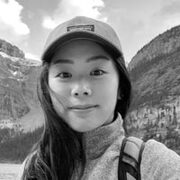



Learn to efficiently groom characters and creatures in Houdini using advanced techniques by ILM Grooming Artist, Kristin Farrensteiner. In this in-depth guide for Houdini, Kristin focuses on a photorealistic cat model to share her collection of grooming techniques for various short, medium, and long hair/fur styles. The workflows demonstrated can be applied to any character or creature and are optimized for an interactive workflow, keeping high-paced professional production environments and tight deadlines in mind.
This 19-chapter workshop begins by tackling the basics of a non-destructive and procedural grooming workflow in Houdini 18. Kristin focuses on setting up a mesh from scratch and how to separate specific fur regions based on different artistic compositions. With the foundations covered, she then dives deeper into the technical aspects of Houdini and provides detailed insights into how to troubleshoot potential issues such as memory lines, clump patterns, and mesh transfers. She reveals how to harness the power of Houdini to create a convincing groom package, shares her look-dev techniques, and reveals her approach to setting up grooms in Houdini’s rendering engine, Mantra.
Throughout the workshop, Kristin discusses various workflows for creating guides to empower you with knowledge for your future grooming projects and how to approach them. By completing the workshop, you will be confident grooming characters and creatures using various advanced techniques in Houdini.
19 Lessons
In this workshop, Kristin provides a comprehensive, production-proven approach to digital grooming in Houdini. By the end, artists will develop a flexible toolkit of techniques that enables them to confidently approach grooming challenges for any character or creature, with the ability to choose the most appropriate methods for each specific project requirement.
Duration: 1m 6s

Before getting started in Houdini, Kristin collects references, using them to help plan how she will layout her hair groom later on; this way there is a template in place from the get go. Moving on, she walks through a basic Houdini setup and the processes she relies on to be efficient and flexible in a production setting. By structuring hair systems into logical regions, using attribute-based workflows, and maintaining low-resolution working files early in the process, Kristin demonstrates that complex character grooms can remain manageable and editable throughout production.
Duration: 20m 51s

Now that she's prepared the model and checked her references, Kristin starts to build her groom guides for the cat's head, balancing artistic direction with technical optimization. The key take-aways during this lesson include, establishing proper reference workflows early and working procedurally so adjustments can be made at any stage.
Duration: 25m 13s

Moving forward with her head groom, Kristin works on refining the areas around the eyes and nose for a more realistic hair distribution. For this to be successful, she explains that the process requires a combination of technical setup (proper attributes, density painting, and node management) and artistic sensibility (continuously using references, testing from multiple angles, and finding the right randomized seeds).
Duration: 29m 52s

In this lesson, Kristin explains that hair grooming success relies on meticulous region-based workflows, careful attribute management, and iterative refinement. Kristin demonstrates that by working on the small details, like exclusive zones for whiskers and strategically placed flyaway hairs, artists can significantly enhance the realism of a piece.
Duration: 30m 8s

In this lesson Kristin moves onto the beard; she methodically refines this and other areas on her cat’s face groom. She then isolates specific edges to use for generating the eyelashes, showing different techniques and nodes in Houdini to achieve the most natural look. Following a similar process to the one used for the primary whiskers, she adds longer and more unique hairs to the inner edge of the ear, taking care to make sure the hairs grow from the correct side of the mesh.
Duration: 22m 35s

In this lesson, Kirstin experiments with different nodes as she tries to figure out the most natural look. As Kristin works, it is evident that this process relies on an iterative and targeted workflow that aims to address specific issues with the groom moving down the pipeline. Multiple systems, which clump, control density, control guide direction and frizz amount, all contribute to the final natural-looking, wispy looking hairs that match Kristin's reference and blend seamlessly into other groom regions.
Duration: 25m 5s

In this lesson, Kiristin works on the cheek areas of her cat’s face groom, providing a demonstration of how realistic hair requires constant refinement through guide sculpting, attribute management, and strategic use of clumping and masking tools. The non destructive workflow within Houdini enables artists to control and preview different points in their node graph and adjust accordingly, achieving production-quality results.
Duration: 25m 19s

In this lesson, Kristin builds in more depth and layers of detail into her groom while trying to maintain the overall silhouette of the cat model. Her workflow emphasizes iterative testing, strategic use of Houdini's extensive toolset, and the importance of optimization at times through caching, all while keeping the character's design integrity as the primary consideration throughout the grooming process.
Duration: 33m 16s

In this lesson, Kristin wraps up the face region of her groom and moves on to the neck area of her cat model. Utilizing the same steps in her previous work, and building off the node network and attributes she already has established, Kristin is able to get guides down on this section relatively quickly. Kristin also troubleshoots some common issues, such as holes, overlapping hair, and sparse coverage.
Duration: 22m 59s

Continuing to work on the neck, Kristin starts by dialing in the generated hair, trying to match the clumping of the cat in her reference. During this, she shows how to update the mesh and transfer her work onto the new model; a common scenario in studio environments. After this, she keeps working on the neck section, creating a specific transitional section to blend the head and neck more seamlessly.
Duration: 28m 26s

In this lesson, Kristin moves onto the legs following many of the same steps she took on other sections of her groom, making sure to stay organized in her node graph. For the leg guides she pays close attention to reference, establishing realistic memory lines which provide a dynamic separation of details and a more realistic look to the groom. She also puts emphasis on optimization through caching and using separate guide streams, reflecting real-world production considerations where efficiency is crucial for managing complex grooming systems.
Duration: 25m 19s

In this lesson, Kristin takes time to trouble shoot some issues between the copy and new leg guides she has created. Working through different settings and techniques, she balances technical optimization with her artistic goals; a challenge when dealing with particularly complex clumping patterns and preparing assets for other departments in a studio, like CFX. The iterative process of testing different interpolation methods, guide counts, and clumping strategies proves essential as there's no one-size-fits-all solution for this model.
Duration: 29m 40s

In this lesson, Kristin highlights the importance of applying shaders and checking the actual look of the hair groom early to make sure things are coming out as you intended. She demonstrates a methodical approach setting up a render starting with basic shader values for the whole model. Next she adds texture maps, a proper lighting setup and more accurate transmission settings to the hair itself. Checking her reference, Kristin also tries to match other aspects of cats, taking time to get the eyes just right.
Duration: 18m 56s

In this lesson, Kristin sets up a more accurate skin shader for her cat, in place of a custom texture. Since this is still for an initial read, she notes that some compromises on rendering quality (when features will be obscured by fur, for example) are acceptable. With these preparations done, she starts to set up the groom for the cat's tail, once again following her pre established steps for other parts of the model. The tail comes with its own set of challenges, requiring a lot of hand adjusted guide sculpting and unique setting tweaks.
Duration: 25m 57s

In this lesson, Kristin makes notes on changes she has to make before going back to add groom guides to the remaining parts of the body. Repurposing parts of her node tree, she’s able to get a hair generated on these parts quickly, though not without some complications which require her to methodically troubling shoot where the hair generates from. Once complete, Kristin moves on to refining the body hair, designating sections of longer and shorter growth.
Duration: 22m 45s

In this lesson, Kristin refines the body hair, discovering some more technical issues she must address in order to blend the hair back to a more natural state. She also updates the tail groom, which also requires some troubleshooting, pointing out methods for identifying what nodes are breaking within your node network, highlighting how valuable it is for you to research what specific nodes do in Houdini. With the groom looking good, she creates some extral regions that blend the legs and body hairs together.
Duration: 29m 4s

In this lesson, Kristin adds a number of finishing touches and final tweaks to different areas across the model. Thanks to the non-destructive nature of nodes in Houdini, and Kristin's organized node graph, she is able to adjust these points of interest on the fly and have the groom update as she likes. With each tweak she is able to build complexity through multiple passes of clumping and variation, creating believable animal fur.
Duration: 28m

In this final lesson, Kristin does another pass at her hair groom, analyzing things that could be working better and other features she could add to better match her references. She also shows up how to create a color patter for the hair to follow. During this process she actively checks her render view, making sure her changes translate correctly. Caching the works she's done, she is able to show us the resulting renderings of her cat model, now in pose and how artists can get more quality renders out of Houdini.
Duration: 31m 58s

Primary tools
For this workshop you’ll need:

* Note that these programs and materials will not be supplied with the course.
Skills Covered
Who’s this Workshop for?
This workshop is designed for intermediate to advanced 3D artists, grooming specialists, and technical artists working in film, animation, or games who want to master professional grooming workflows in Houdini. It's particularly valuable for artists already familiar with Houdini's interface who want to explore its specialized grooming tools.
Character artists, creature designers, and look development artists are other groups that can significantly benefit from Kristin Farrensteiner's production-proven techniques, which they can apply to their own work. The workshop also provides essential skills for meeting tight deadlines while maintaining high-quality results, making it especially useful for professionals working in fast-paced studio environments.
Learning Outcomes
By completing this workshop, artists will have mastered powerful grooming techniques in Houdini for creating photorealistic fur and hair on characters and creatures in studio environments.
Key skills include:
- How to establish non-destructive and procedural grooming workflows optimized for production deadlines.
- How to separate and organize mesh regions for different fur types on particularly complex creatures and characters.
- How to troubleshoot and deal with common grooming issues or difficult situations, including memory lines and problematic clump patterns.
- How to create and manage guide workflows for various short, medium, and long hair styles.
- How to transfer grooms between different mesh iterations while maintaining quality and consistency.
- How to develop advanced look-dev techniques for convincing and photorealistic grooming results.
- How to set up and render grooms effectively using Houdini's Mantra rendering engine.


