 Photoshop
 Maya
Maya ZBrush
 Houdini
 Substance Painter
 Blender
 Unreal Engine
 Arnold
 Nuke
Nuke KeyShot
 V-Ray
V-Ray Marmoset Toolbag
 Mari
Mari Marvelous Designer
 Substance Designer
 3ds Max
 3DCoat
 Redshift
 Faceform Wrap
 Lightroom
 After Effects
 OctaneRender
 SpeedTree
 Daz 3D
 Agisoft Metashape
 Fusion
 Modo
Modo RealityCapture
 Gaea
Gaea Cinema 4D
 Gravity Sketch
 Premiere
 Procreate
 Clip Studio Paint
 SketchUp
 SketchBook
 Katana
 Natron
 Mudbox
 Quixel Bridge
 Quixel Megascans
 Quixel Mixer
 Substance 3D Modeler
 World Creator
 Yeti
Yeti Ziva VFX
 Mixamo
 Adobe Medium
 Quixel DDO
 xNormal
 Meshmixer
 Storyboard Pro
 DaVinci Resolve
 TreeIt
 World Machine
 Gaffer
 Corel Painter
 SynthEyes
 Krita
Krita Massive
 Materialize
 Unity
Unity Ornatrix
 PreForm
 Moi 3D
 animBot
 QuickTime
 ReCap
ReCap







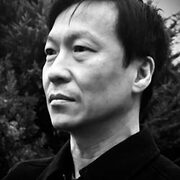








Discover how to generate complex-looking trees using SpeedTree and Houdini, with this intermediate-level tutorial by Jean-Michel Bihorel. Starting from simple generating rules before deep-diving into more advanced areas of tree generation in SpeedTree and Houdini, Jean-Michel teaches every step needed to generate a hero tree asset — perfect for use in a cinematic.
Throughout the workshop, Jean-Michel shares how to create a mixture of hand-drawn branches extended by procedural generators, as well as how to use the mesh forces for realistic results. He also reveals how to set up and export a leaf as a point cloud in Houdini in order to manage a more optimized setup, as well as great procedural control over the leaf geometry generation and placement based on the direction of the sun.
For those that don’t want to export their tree assets to Houdini, Jean-Michel also provides guidance for exporting your trees into other software — in this case, Maya — along with advice for how to get your shaders working in other software packages.
By the end of this tutorial, you should feel comfortable generating a variety of trees growing from any surface, including growing a variety of other vegetation from trees as well. You will also develop a solid understanding of how to deal with importing and exporting your assets between software.
While this is not an introductory-level tutorial, you are not required to be a SpeedTree expert in order to follow along.
16 Lessons
This workshop offers an intermediate-level exploration of the advanced capabilities of SpeedTree version 9 for creating intricate, realistic tree models. Tutor Jean-Michel Biorel leverages extensive industry experience and personal project expertise to guide viewers through the technical process of building complex organic structures, promising to equip artists with new techniques for creating natural elements.
Duration: 1m 23s

In this lesson, artists learn how to create detailed, hero-quality trees with precise artistic control over placement and form. By combining manual trunk placement with procedural extension, Jean-Michel shows how to achieve natural-looking trees that respond to an environment. This approach combines geometry edits with procedural details to create a strong base for adding complex branches later.
Duration: 16m 44s

Creating realistic tree branches in SpeedTree requires balancing automated generation with manual control. While geometry forces can prevent branch overlapping, Jean-Michel recommends using late noise for more controllable and natural results. It is important to experiment with generation settings and features such as welding to create believable connections and a solid foundation for a fully developed tree.
Duration: 18m 1s

It is important for artists to understand how to balance visual quality with optimization when creating detailed tree models. Jean-Michel demonstrates that successful tree creation requires careful parameter adjustment at each branch hierarchy level and constant awareness of polygon count. By working iteratively, artists keep a fast workflow while building complex structures to be finished with foliage.
Duration: 12m 17s

This lesson shows how to balance visual quality and performance optimization when creating 3D foliage. By using instanced leaf batches and adding variation through procedural parameters, Jean-Michel helps artists create realistic-looking trees while keeping the workflow efficient. Lighter scenes allow for more iterations, which lead to better results than chasing detail at the cost of performance.
Duration: 15m 5s

This lesson provides artists with a workflow for creating complex, realistic tree root systems that naturally fit underlying geometry. The layered approach of starting with primary roots and adding forces for surface adhesion creates organic-looking results. Jean-Michel successfully demonstrates how to balance technical parameters with artistic judgment to achieve a natural aesthetic.
Duration: 13m 58s

Creating realistic climbing ivy requires balancing multiple forces and parameters to achieve natural-looking growth while avoiding technical issues. Jean-Michel finds the right combination of attraction forces, collision avoidance, and controlled randomness to achieve this. This multi-layered approach of primary trunks and secondary branches creates a foundation for adding foliage in subsequent steps.
Duration: 11m 13s

To create realistic ivy coverage on 3D tree models, artists need to balance botanical accuracy with artistic control. Jean-Michel focuses on the importance of proper texture setup, geometry alignment, and progressive parameter refinement to achieve natural-looking results.
Duration: 12m 59s

This lesson draws attention to the importance of proper scene organization and understanding unique export options before transferring assets. Jean-Michel shows how to optimize the export process by using material-based grouping and lightweight particle data. Saving essential data like vertex blending ensures the tree's appearance can be recreated in Houdini.
Duration: 10m 24s

An efficient technique for achieving professional-quality tree shading in Houdini is revealed by Jean-Michel through the use of a built-in blending system. Rather than manually painting textures, the blend attribute approach provides controllable results with minimal effort. This foundation is valuable for production environments where efficiency and quality must be balanced.
Duration: 13m 1s

This lesson presents a complete workflow for converting texture atlases into optimized, individually controllable 3D leaf geometry. Jean-Michel demonstrates a technique valuable for creating vegetation assets that display varying stages of health or damage. Careful attention to attribute management ensures the assets are production-ready and can be integrated into Maya.
Duration: 22m 55s

This lesson demonstrates a procedural workflow for creating realistic leaf distribution on trees using multiple Houdini techniques. Jean-Michel provides extensive artistic control through customizable ramps and parameters while maintaining procedural flexibility. This system is ideal for creating seasonal tree variations such as autumn foliage.
Duration: 29m 29s

In this lesson, Jean-Michel demonstrates how to create realistic tree foliage in Houdini with Redshift while balancing visual quality with render performance. Artists understand the importance of optimization techniques like using sprite nodes when dealing with leaf instances. Proper attribute management creates natural-looking variation while maintaining efficient rendering.
Duration: 8m 55s

Artists learn an efficient pipeline for bringing SpeedTree vegetation into Maya with proper material setup. Jean-Michel explains the technical achievement of managing multiple UV sets for seamless transitions and optimal rendering performance. The lesson provides a foundation for adding procedural enhancements like weathering or moss to create varied assets.
Duration: 18m 41s

This final lesson teaches a proficient way to approach building dense, complex natural environments through strategic use of software tools. Jean-Michel focuses on the importance of layering details and using efficient animation methods to add life to a scene without overwhelming resources. This workshop serves as an example of real-world production workflows for photorealistic forests.
Duration: 7m 13s


Primary tools
For this workshop you’ll need:
Project Files
When you download the project file for this workshop, you'll gain access to:
- Reference materials (.pdf) – Jean-Michel Bihorel has provided links for you to reference and find further helpful resources
Skills Covered
Who’s this Workshop for?
This intermediate-level workshop is designed for 3D artists, environment artists, and technical artists who have basic familiarity with SpeedTree and Houdini. Jean-Michel Bihorel's training is perfect for professionals working in film, games, or visualization and anyone wanting to create hero-quality tree assets for cinematic productions.
Artists that are transitioning between software packages will particularly benefit from the cross-platform workflow guidance in this workshop. For artists looking to enhance their procedural modeling skills or needing to deliver complex vegetation assets across multiple software environments, Jean-Michel's training provides practical production techniques that translate directly to professional projects.
Learning Outcomes
By the end of the workshop, artists will have developed advanced tree generation techniques using SpeedTree and Houdini for creating cinematic-quality vegetation assets.
Key skills include:
- How to generate complex trees from simple rules using advanced SpeedTree techniques.
- How to combine hand-drawn branches with procedural generators for realistic tree structures.
- How to implement mesh forces for achieving natural, physics-based tree growth patterns.
- How to export leaf geometry as point clouds for optimized rendering workflows.
- How to create procedural leaf placement systems based on environmental lighting conditions.
- How to export tree assets between SpeedTree, Houdini, and Maya with proper shaders.
- How to generate diverse vegetation growing from various surfaces and tree structures.