
 Photoshop
 Maya
Maya ZBrush
 Houdini
 Substance Painter
 Blender
 Unreal Engine
 Arnold
 Nuke
Nuke KeyShot
 V-Ray
V-Ray Marmoset Toolbag
 Mari
Mari Marvelous Designer
 Substance Designer
 3ds Max
 3DCoat
 Redshift
 Faceform Wrap
 Lightroom
 After Effects
 OctaneRender
 SpeedTree
 Daz 3D
 Agisoft Metashape
 Fusion
 Modo
Modo RealityCapture
 Gaea
Gaea Cinema 4D
 Gravity Sketch
 Premiere
 Procreate
 SketchUp
 SketchBook
 Katana
 Natron
 Mudbox
 Quixel Bridge
 Quixel Megascans
 Quixel Mixer
 Substance 3D Modeler
 World Creator
 Yeti
Yeti Ziva VFX
 Mixamo
 Adobe Medium
 Quixel DDO
 xNormal
 Meshmixer
 Storyboard Pro
 DaVinci Resolve
 TreeIt
 World Machine
 Gaffer
 Corel Painter
 SynthEyes
 Krita
Krita Massive
 Materialize
 Unity
Unity Ornatrix
 PreForm
 Moi 3D
 animBot
 QuickTime
 ReCap
ReCap



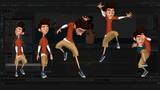









Building figures with gesture and rhythm allows us to more effectively tell stories in visual mediums — a critical tool for artists working in the entertainment industry. This 4.5-hour workshop by April Connors covers the key fundamentals for sketching dynamic figures using techniques that work for life drawing and figure invention, whether you’re working digitally or with traditional media.
While demonstrations are completed in Clip Studio Paint, any drawing or painting software can be used to follow along. For those working traditionally, any drawing media and paper will work for the techniques demonstrated.
Included with this workshop is an exclusive photo pack of action poses to help you follow along and refer to for your future projects.
This workshop is recommended for artists that are already familiar with figure drawing, as well as for those who generally have a good sense of building a human figure.
13 Lessons
This workshop presents gesture drawing as a fundamental skill that extends far beyond traditional quick sketching into all areas of figure construction. April emphasizes that gesture is ultimately about capturing the "illusion of life" and the essential meaning of what a character is doing in any given moment. The flexible, step-by-step approach can be adapted to individual needs and combined with other techniques to develop a personalized process for bringing figures to life.
Duration: 7m 7s

The line of action is a fundamental drawing tool that should become an automatic first step in any figure drawing or character work. Rather than being a rigid rule, it's a flexible concept that helps artists capture and enhance the energy of poses while providing a foundation for creative interpretation. April explains that the key is consistent practice and experimentation to develop an intuitive sense of how different line choices affect the power and clarity of the final drawing.
Duration: 16m 38s

The fundamental concept presented in this lesson is that figure drawing is not just about accurate representation, but about making deliberate choices in exaggeration to serve storytelling and character development. By mastering the identification and manipulation of these basic structural elements — line of action, shoulder line, and hip line — artists can quickly explore multiple interpretations of the same pose to find the most compelling expression for their narrative needs. This approach transforms technical drawing skills into powerful tools for visual storytelling.
Duration: 22m

Skeletal gesture drawings serve as the critical foundation for all figure work, whether from life or imagination. By establishing action, attitude, proportions, and potential for exaggeration at this early stage, artists can create more dynamic and expressive drawings while avoiding costly corrections later in the process. This systematic approach transforms basic poses into character-driven moments with distinct storytelling potential.
Duration: 29m 10s

Rhythm serves as a crucial intermediate step in developing strong figure drawings, bridging basic skeletal gesture and more advanced construction techniques. April shows how artists can create dynamic drawings by thoughtfully contrasting curved and straight elements while considering each body part's individual rhythm. The key is experimentation; rhythm offers endless possibilities for artistic interpretation while maintaining structural integrity through proper placement of corners at bony landmarks.
Duration: 23m 19s

This lesson emphasizes that successful figure drawing relies heavily on developing rhythmic flow rather than just technical accuracy. April demonstrates that rhythm is an intuitive, musical concept that brings life and fluidity to drawings, contrasting geometric stiffness with organic curves and variations. By combining proper foundational techniques with personal artistic interpretation, and maintaining exaggeration throughout the process, artists can create dynamic, engaging figure studies that feel fresh and alive rather than overworked or mechanical.
Duration: 26m 57s

Contour line drawing serves as a valuable alternative approach to traditional gesture drawing that emphasizes observation and spatial relationships over structural construction. While it requires extensive practice to master, this technique offers artists a more intuitive, continuous-line method for capturing form and volume. Whether used as a warm-up exercise or as a foundation for finished work, contour drawing provides artists with additional tools for developing their observational skills and creating dynamic figure drawings.
Duration: 22m 58s

The mannequin figure technique bridges the gap between initial gestural sketches and detailed anatomical drawings. It provides essential volume information while preserving the energy and movement of the pose. By systematically building from skeletal gesture to 3D mannequin forms, artists can create more convincing figure drawings that have both structural integrity and dynamic appeal. The key insight is that taking time to understand these foundational steps methodically will ultimately lead to faster, more confident gesture drawing skills.
Duration: 23m 16s

The ultimate goal of gesture drawing extends far beyond quick sketching exercises; it's a foundational tool for creating dynamic, energetic artwork at any level of finish. By maintaining the original energy of the gesture through consistent decision-making, from skeletal structure through final anatomy, artists can create figures that feel alive and engaging. This approach also enables creative figure invention and storytelling, allowing artists to move beyond simply copying references to crafting compelling characters and narrative moments.
Duration: 35m 26s

Doing quick sketches is fundamentally about capturing the essence of movement and gesture rather than achieving realistic detail. The key to improvement lies in using bold, permanent media (or maintaining that discipline digitally) and focusing on different priorities based on time constraints. Whether working with 30-second or 2-minute poses, the goal remains consistent: to develop the ability to see and capture the most important elements of a pose while maintaining fluidity and expression throughout the drawing.
Duration: 17m 21s

The key takeaway is that line work serves as both a technical and expressive tool that can make or break a drawing's energy and appeal. By consciously controlling line weight, texture, and flow, artists can create hierarchy, depth, and rhythm that reinforce their gestural foundation. Whether working traditionally or digitally, the goal is to ensure every mark contributes to the overall expressiveness while maintaining the fluid, dynamic quality that brings drawings to life.
Duration: 33m 32s

In this lesson, April teaches artists to rapidly organize values while maintaining the gestural quality of their drawings. By limiting themselves to just black and white within tight time constraints, artists develop stronger value-grouping skills and learn to make decisive choices about light and shadow. The technique serves as excellent training for value organization that can be applied to longer, more detailed artwork.
Duration: 19m 39s

This lesson emphasizes a structured approach to gesture drawing that builds complexity over time while always maintaining the core principle of capturing energy and movement. April stresses that, regardless of time constraints, from 30 seconds to 10-plus minutes, the primary goal should be preserving gesture and attitude rather than achieving photorealistic accuracy. This progressive timing system helps artists develop both speed and the ability to carry gestural energy through to finished works.
Duration: 9m 3s

Primary tools
For this workshop you’ll need:

* Note that these programs and materials will not be supplied with the course.
Project Files
When you download April's project files, you'll get access to:
- Reference photos – A folder of reference poses for you to study and use for your own drawing practice
Skills Covered
Who’s this Workshop for?
This workshop is designed for intermediate to advanced artists who already have a solid foundation in figure drawing and human anatomy. It's particularly valuable for entertainment industry professionals, concept artists, storyboard artists, and illustrators who need to create compelling character poses that effectively communicate narrative and emotion.
Artists working in animation, gaming, comic book illustration, and film pre-production will find these techniques useful for their storytelling toolkit. The workshop also benefits freelance artists and studio professionals looking to enhance their figure work with more dynamic, rhythmic approaches that translate effectively across both digital and traditional media.
Learning Outcomes
By completing this workshop, artists will have mastered fundamental techniques for creating dynamic, story-driven figure drawings that use principles of gesture and rhythm.
Key skills include:
- How to capture essential gestures and movements in the initial figure construction phases.
- How to apply rhythm principles to create more compelling and visually engaging poses.
- How to balance anatomical accuracy with dynamic storytelling in character illustration work.
- How to develop figures that effectively communicate narrative intent and emotional content.
- How to adapt these core techniques across digital and traditional drawing media platforms.
- How to work from both life reference and invented poses using a consistent methodology.


