
 Photoshop
 Maya
Maya ZBrush
 Houdini
 Substance Painter
 Blender
 Unreal Engine
 Arnold
 Nuke
Nuke KeyShot
 V-Ray
V-Ray Marmoset Toolbag
 Mari
Mari Marvelous Designer
 Substance Designer
 3ds Max
 3DCoat
 Redshift
 Faceform Wrap
 Lightroom
 After Effects
 OctaneRender
 SpeedTree
 Daz 3D
 Agisoft Metashape
 Fusion
 Modo
Modo RealityCapture
 Gaea
Gaea Cinema 4D
 Gravity Sketch
 Premiere
 Procreate
 Clip Studio Paint
 SketchUp
 SketchBook
 Katana
 Natron
 Mudbox
 Quixel Bridge
 Quixel Megascans
 Quixel Mixer
 Substance 3D Modeler
 World Creator
 Yeti
Yeti Ziva VFX
 Mixamo
 Adobe Medium
 Quixel DDO
 xNormal
 Meshmixer
 Storyboard Pro
 DaVinci Resolve
 TreeIt
 World Machine
 Gaffer
 Corel Painter
 SynthEyes
 Krita
Krita Massive
 Materialize
 Unity
Unity Ornatrix
 PreForm
 Moi 3D
 animBot
 QuickTime
 ReCap
ReCap


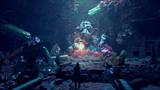




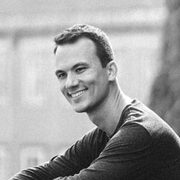
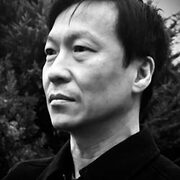








This introduction to lighting and compositing by Jon Perez provides insight into a professional workflow used at studios for cinematic production. The goal is to provide the necessary knowledge to help artists improve the quality of their environments, assets, and animations using industry-trusted lighting and compositing techniques.
After gathering and reviewing relevant references using PureRef, Jon walks through the setup of his production software. He then demonstrates how to develop the chosen scenes using Houdini before moving into the final compositing work in Nuke. Artists can follow Jon’s workflow to see and experience the strength of a professional pipeline and understand how to utilize Houdini’s tools and extensive configuration possibilities, from Bundles and Operators to AOV settings. Jon also provides helpful Nuke tips and tricks for effective image treatment.
This 4.5-hour workshop is oriented to those looking to specialize in lighting and compositing and develop their understanding of studio workflows; it provides the knowledge and tools needed to create work according to industry standards. Additionally, an environment is provided with the workshop to help artists develop their own lighting scenarios and create create successful portfolio pieces.
This workshop utilizes Ciro Cardoso’s Environment Art and Big Medium Small’s asset Water Village collection.
14 Lessons
This workshop provides a comprehensive approach to lighting and compositing cinematic projects, emphasizing technical proficiency and professional habits. Jon Perez stresses that while artistic vision is valuable, VFX artists must understand their role within the larger production pipeline. Artists learn that maintaining organized, efficient work practices prepares them for studio environments where collaboration is paramount.
Duration: 6m 27s

Lighting begins with proper reference gathering and analysis rather than with artistic inspiration alone. By learning to break down concept art into fundamental lighting elements, Jon shows how to create technically sound, visually believable lighting for animated sequences. Artists explore the preparatory phase necessary to separate amateur work from professional production quality.
Duration: 17m 19s

Understanding asset import and material application in Houdini is essential for troubleshooting and independent work. Jon emphasizes testing assets under realistic lighting conditions that match the final scene environment rather than relying on studio setups. Artists learn that this process reveals material issues and ensures assets perform correctly in production.
Duration: 31m 27s

The Arnold render node is an efficient tool for lighting in Houdini. Success involves balancing render quality with speed by adjusting sampling values and AOV configurations. Jon demonstrates how following naming conventions and utilizing flexible light-exclusion controls creates optimized renders. Artists discover how to provide maximum flexibility for compositing while maintaining reasonable render times.
Duration: 27m 41s

Understanding the balance between technical precision and artistic intent includes knowing when to use specific light types and managing light counts. By studying photography principles and the relationship between light size and shadow quality, Jon shows how to recreate any lighting mood efficiently. Artists explore how to maintain a compositor-friendly workflow while keeping renders optimized.
Duration: 20m 48s

Light filters in Arnold are powerful, specialized tools that artists should use judiciously for specific effects rather than as primary lighting solutions. While the Decay and Gobo filters offer practical value for controlling falloff, Jon explains that understanding when to use these tools to solve actual production challenges is more important than using them simply because they are available. Artists learn to reduce render times and achieve specific artistic effects through targeted tool usage.
Duration: 10m 18s

Successful scene lighting works best by studying references and rebuilding the lighting step by step. While specific scenes may require HDRI or volumetrics, Jon emphasizes that every project should be approached by first understanding the reference image. Artists learn that maintaining justification for each light source helps ensure a believable final result during refinement.
Duration: 16m 55s

The legacy render layer workflow in Houdini provides flexibility through the combination of bundles and takes. Jon shows how to strategically separate scene elements based on technical requirements to create efficient pipelines. Artists learn to analyze shot requirements and decide which elements need isolation based on sampling needs and post-production flexibility.
Duration: 10m 36s

Arnold Collections and Operators provide a modern alternative for managing render overrides in Houdini. Although these tools pose challenges, the nodal structure integrates smoothly into complex pipelines. Jon highlights that keeping node networks organized is essential for team collaboration. Artists explore how documentation and organization improve efficiency in production environments.
Duration: 11m 29s

This lesson serves as a bridge between lighting and compositing by highlighting AOVs as tools for post-production flexibility. While the goal is a clean render, Jon shows how utility passes allow for efficient adjustments to meet client demands. Artists learn that mastering custom utility nodes significantly strengthens problem-solving skills throughout their careers.
Duration: 11m 30s

This Nuke template represents a practical approach to compositing that prioritizes artist clarity and workflow efficiency. Jon emphasizes organized, additive workflows with proper alpha management to provide a solid foundation for cinematic work. Artists discover that modular templates allow for adjustable complexity, serving as a flexible starting point for professional projects.
Duration: 17m 34s

While mathematical correctness is important, Jon demonstrates that practical results and narrative coherence take priority in production. Establishing a flexible workflow allows for rapid iteration and clear communication with a team. Artists learn to keep the final artistic vision in focus while navigating the technical limitations of their tools.
Duration: 38m 47s

Realistic perspectives are important for long-term career sustainability in the CGI industry. Jon highlights that the project-based nature of the field requires artists to advocate for themselves and stay organized to support team success. By balancing dedication with self-care, artists learn to build fulfilling careers and prioritize positive team relationships over competition.
Duration: 16m 25s

This final lesson demonstrates a complete production lighting and compositing workflow for creating nighttime environments. Jon balances technical execution with artistic decision-making to establish an atmospheric mood with sufficient visibility. Artists discover best practices for professional work by utilizing strategic lantern lighting and volumetrics to create clear focal points.
Duration: 32m 22s

Primary tools
For this workshop you’ll need:
Project Files
Once you have downloaded the workshop files, you'll gain access to Jon's Japanese-inspired environment project. Inside, you'll find:
- Houdini project files (.hip, .hiplc) – The main scene files where you can explore the procedural modeling and lighting setups
- 3D models & geometry (.abc, .obj) - Detailed assets like the torii gate and other environmental elements ready for rendering
- High-quality textures (.tif, .tx,) - Professional texture maps and optimized render-ready versions for realistic surface details
- HDR lighting & rendered passes (.hdr, .exr, .nk) - Environment lighting setup projects and multi-pass renders, including separate layers for backgrounds, volumes, and environmental effects
Skills Covered
Who’s this Workshop for?
This workshop is optimized for intermediate to advanced 3D artists seeking to specialize in lighting and compositing within professional studio environments. Those transitioning into cinematic production roles or looking to elevate their technical skills to industry standards, they will find Jon Perez's workshop particularly valuable.
Environment artists, lighting technical directors, and compositors will benefit significantly from Jon's professional pipeline insights. The comprehensive workflow approach helps artists understand how different production phases interconnect, making it essential for anyone wanting to create portfolio-quality work that meets current industry standards.
Learning Outcomes
Artists will finish this workshop having mastered professional lighting and compositing pipeline using industry-standard tools and techniques for cinematic production.
Key skills include:
- How to establish effective reference gathering workflows using PureRef for production planning.
- How to configure Houdini's lighting tools including Bundles, Operators, and AOV settings professionally.
- How to develop cinematic lighting scenarios from concept through to final rendering stages.
- How to execute professional compositing workflows and image treatment techniques in Nuke.
- How to optimize render passes and AOVs for maximum flexibility in post-production.
- How to implement studio-standard quality control processes throughout the lighting pipeline.
- How to create portfolio-ready work that demonstrates professional lighting and compositing competency.


