
 Photoshop
 Maya
Maya ZBrush
 Houdini
 Substance Painter
 Blender
 Unreal Engine
 Arnold
 Nuke
Nuke KeyShot
 V-Ray
V-Ray Marmoset Toolbag
 Mari
Mari Marvelous Designer
 Substance Designer
 3ds Max
 3DCoat
 Redshift
 Faceform Wrap
 Lightroom
 After Effects
 OctaneRender
 SpeedTree
 Daz 3D
 Agisoft Metashape
 Fusion
 Modo
Modo RealityCapture
 Gaea
Gaea Cinema 4D
 Gravity Sketch
 Premiere
 Procreate
 Clip Studio Paint
 SketchUp
 SketchBook
 Katana
 Natron
 Mudbox
 Quixel Bridge
 Quixel Megascans
 Quixel Mixer
 Substance 3D Modeler
 World Creator
 Yeti
Yeti Ziva VFX
 Mixamo
 Adobe Medium
 Quixel DDO
 xNormal
 Meshmixer
 Storyboard Pro
 DaVinci Resolve
 TreeIt
 World Machine
 Gaffer
 Corel Painter
 SynthEyes
 Krita
Krita Massive
 Materialize
 Unity
Unity Ornatrix
 PreForm
 Moi 3D
 animBot
 QuickTime
 ReCap
ReCap


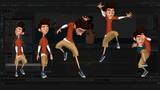









6 Lessons
This lesson demonstrates that a successful lighting piece begins long before placing any lights in the scene. Proper preparation, through scene optimization, technical setup, and establishing efficient workflows, is crucial for creating high-quality animated sequences. By investing time in optimization and creating fast preview renders, artists can iterate more quickly and respond to creative direction more effectively, ultimately producing better results in less time.
Duration: 15m 50s

This lesson demonstrates a methodical approach to lighting that prioritizes reference-based decision-making and incremental building of lighting layers. By starting with ambient HDRI lighting and carefully adding focused key lighting with proper blocking, Alexander shows how to achieve cinematic lighting that matches real-world photographic references. The workflow emphasizes the importance of isolating individual light contributions and using practical tools, such as chrome spheres, to make informed lighting decisions.
Duration: 15m 47s

This lighting setup demonstrates advanced techniques for creating dynamic, cinematically appealing lighting for 3D animation. The combination of animated directional lighting with strategic light blocking creates dramatic shadows and emphasis while maintaining artistic control. The separation of foreground and background lighting systems allows for precise control during both the lighting phase and post-production compositing, resulting in a professional, visually compelling scene that guides the viewer's attention to key story elements.
Duration: 17m 49s

This lesson showcases professional lighting refinement techniques that elevate a 3D scene from basic illumination to cinematic quality. The methodical approach of adding rim lights, fill lights, and volumetric atmosphere demonstrates how subtle lighting adjustments can dramatically improve visual depth and realism. Alexander’s emphasis on organization, reference-based decision-making, and render-layer workflow provides a solid foundation for complex lighting setups in professional 3D production environments.
Duration: 18m 10s

In this lesson, Alexander demonstrates professional-level pipeline organization for complex 3D scenes. By strategically separating elements into multiple layers and utilizing Arnold's advanced sampling features, he achieves film-quality results while maintaining practical render times. The systematic approach to AOV outputs and render layer management provides maximum flexibility for compositing while optimizing computational efficiency.
Duration: 13m 51s

This final lesson demonstrates a professional-level compositing workflow that transforms raw 3D renders into a polished, cinematic final image. Alexander emphasizes the importance of working systematically from background to foreground while making targeted adjustments to achieve the desired mood and visual quality. The approach of going from technical color correction to artistic atmospheric effects illustrates how compositing serves as the crucial final step in bringing 3D animation to life, ready for director review and further production refinement.
Duration: 26m 45s

Primary tools
For this workshop you’ll need:
Skills Covered
Who’s this Workshop for?
This workshop is designed for intermediate 3D artists, lighting TDs, and animators with basic Maya experience who want to develop professional lighting skills. It's perfect for artists transitioning into lighting roles or looking to deepen their knowledge of animation pipelines.
Students, junior artists, and generalists will also find value in learning industry-standard lighting workflows. The comprehensive approach, covering Maya, Arnold, and Nuke, provides essential skills for modern animation production, making artists more versatile and employable in studio environments.
Learning Outcomes
By completing this workshop, artists gain comprehensive lighting skills in Maya and Arnold, along with basic compositing knowledge in Nuke, for production-ready results.
Key skills include:
- How to research and assess reference imagery for effective lighting design decisions.
- How to optimize scenes and establish efficient workflows for faster lighting iterations.
- How to set up three-point lighting systems using HDRI, key, and fill lights.
- How to utilize Arnold's blockers and light filters for precise lighting control.
- How to create volumetric lighting effects to add atmosphere and visual realism.
- How to implement render layers and configure output settings for compositing.
- How to perform basic compositing tasks in Nuke for final image refinement.


