
 Photoshop
 Maya
Maya ZBrush
 Houdini
 Substance Painter
 Blender
 Unreal Engine
 Arnold
 Nuke
Nuke KeyShot
 V-Ray
V-Ray Marmoset Toolbag
 Mari
Mari Marvelous Designer
 Substance Designer
 3ds Max
 3DCoat
 Redshift
 Faceform Wrap
 Lightroom
 After Effects
 OctaneRender
 SpeedTree
 Daz 3D
 Agisoft Metashape
 Fusion
 Modo
Modo RealityCapture
 Gaea
Gaea Cinema 4D
 Gravity Sketch
 Premiere
 Procreate
 Clip Studio Paint
 SketchUp
 SketchBook
 Katana
 Natron
 Mudbox
 Quixel Bridge
 Quixel Megascans
 Quixel Mixer
 Substance 3D Modeler
 World Creator
 Yeti
Yeti Ziva VFX
 Mixamo
 Adobe Medium
 Quixel DDO
 xNormal
 Meshmixer
 Storyboard Pro
 DaVinci Resolve
 TreeIt
 World Machine
 Gaffer
 Corel Painter
 SynthEyes
 Krita
Krita Massive
 Materialize
 Unity
Unity Ornatrix
 PreForm
 Moi 3D
 animBot
 QuickTime
 ReCap
ReCap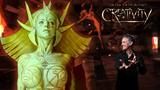









Mastering the creation, editing, and layout of UV texture coordinates is fundamental for anyone involved in modeling and texturing. These coordinates are essential as they dictate how 2D textures map onto 3D surfaces, playing a pivotal role in nearly every computer graphics pipeline, from gaming to visual effects, and even motion graphics. Maya's UV Toolkit offers a comprehensive suite of tools, refined across numerous software updates. This workshop provides an in-depth analysis of the toolkit, examining each tool, option, and setting available, along with insights into the UV Editor itself.
The detailed tutorial begins with the first 11 chapters focusing on a thorough walkthrough of the UV toolkit. Instructor Eric Keller explains and demonstrates each function from the top of the interface to the bottom, detailing the UV Editor's layout and highlighting special tools found on the UV Editor shelf. From chapters 12 to 17, he shifts to a practical application using a character model to demonstrate how these tools are utilized in real-world scenarios.
You'll learn how UVs are created and laid out for different parts of a model, including the body and clothing. Remember, the methods to create and arrange UVs vary greatly depending on the end use of the model. While these examples showcase the toolkit in action, they are not prescriptive but rather illustrative of various techniques. In the concluding chapter, Eric shares some advanced tips and strategies for managing UV texture coordinates in Maxon’s ZBrush.
18 Lessons
Eric Keller’s introductory lesson establishes essential vocabulary and concepts for effective UV mapping. Understanding these terms, from basic coordinates to UDIMs, creates the foundation for professional texture layouts. Eric emphasizes balancing resolution, shell organization, and efficiency—skills that expand throughout the series.
Duration: 20m 33s

The UV Editor is the essential workspace for managing layouts, offering visualization tools to optimize texture mapping. While the interface offers multiple access points, Eric recommends the UV Toolkit for its clarity. Mastering these fundamental tools is crucial before moving to the advanced techniques covered in later lessons.
Duration: 15m 1s

The UV Toolkit centralizes essential manipulation tools in one accessible panel. Understanding selection modes, constraints, and symmetry is fundamental to an efficient workflow. This toolkit organizes functions logically, providing a clear approach to selection management and common layout tasks.
Duration: 11m 34s

The UV Toolkit's pinning and selection features provide powerful control over UV manipulation in Maya. Understanding where these tools function and how to access their various options across different interface locations is essential for efficient workflow. Eric demonstrates a combination of pinning, brush-based tools, and advanced selection methods to enable precise UV editing for complex 3D models.
Duration: 10m 33s

This lesson explores techniques for technical UV editing, emphasizing both numerical precision and intuitive brush-based tools. The texel density workflow is particularly valuable for maintaining consistent quality across complex models. These tools enable artists to create optimized, well-organized UV maps for production-ready assets.
Duration: 11m 29s

The Create folder in the UV Toolkit offers automatic projection methods that serve as efficient starting points. These tools quickly generate base UVs that artists can then refine. Knowing when to use each projection type and maintaining proper construction history is crucial for avoiding technical issues during animation.
Duration: 10m 58s

This lesson shows a comprehensive coverage of UV cutting and sewing tools essential for creating proper UV layouts in Maya. Eric emphasizes careful edge selection and demonstrates how different tools serve different preferences. Understanding these techniques is fundamental for reducing distortion and creating clean layouts, especially for complex organic models such as character heads.
Duration: 10m 44s

The Optimize and Unfold tools are essential for creating high-quality UVs in Maya, particularly for organic models. Combining them with strategic seam placement, UV pinning, and interactive brushing creates professional UV layouts with minimal stretching. These tools work best when used repeatedly, allowing artists to find the right approach for each unique model section.
Duration: 13m 44s

The align and snap tools in Maya's UV Toolkit provide essential functionality for organizing and optimizing UV layouts efficiently. Eric demonstrates how these straightforward but powerful features enable artists to quickly arrange UV shells, conserve texture space through stacking, and ensure proper alignment.
Duration: 6m 55s

This overview demonstrates the importance of proper organization as the final step in the UV process. While the Unfold 3D system offers control over shell packing and density, legacy tools provide quick solutions for simpler scenarios. Eric explains that effective UV layout requires understanding your project's specific needs, whether maximizing texture efficiency for games or maintaining uniform texture resolution across a model.
Duration: 20m 54s

UV sets are a powerful feature in Maya that allow artists to maintain multiple layouts on a single object for different purposes. While the primary UV set handles standard texturing, additional sets can be created for special effects or technical tasks such as baking lighting. Understanding the UV set workflow provides greater flexibility in texturing and shading complex 3D models.
Duration: 14m 53s

This lesson provides a complete, real-world demonstration of UV mapping workflow for an organic character model. Eric points out that UV mapping is an iterative process requiring experimentation, problem-solving, and the recognition that perfection isn't always achievable. The practical approach shown here, combining multiple tools while prioritizing visible areas, offers valuable insights for all skill levels.
Duration: 23m 36s

This lesson reinforces the idea that proper topology planning during modeling pays off during UV unwrapping. By maintaining clean edge loops, the UV process becomes much more straightforward and efficient. Eric's approach of working through each body part systematically demonstrates a workflow that balances speed with quality, preparing the model for the texturing phase.
Duration: 11m 5s

Eric demonstrates a comprehensive workflow for professional UV layout in Maya, emphasizing the importance of strategically allocating texture space. While automated tools provide good starting points, manual refinement and thoughtful organization based on the character's final use are essential for optimal results. Careful attention to texel density consistency ensures clean textures without artifacts.
Duration: 17m 53s

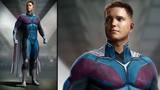
This thorough UV unwrapping lesson presents a professional workflow for creating texture coordinates on complex character clothing. Eric's methodical approach progresses from simple to complex geometry while maintaining consistent techniques, demonstrating how efficient mapping relies on both technical skill and strategic planning. The emphasis on clean topology and regular quality checks provides a solid framework for production-ready layouts.
Duration: 22m 53s

Creating UVs for complex geometry, such as masks, requires patience and attention to detail, particularly when separating shells and completing edge loops. While it is tempting to use automated operations, maintaining separate, cleaner shells often produces better results. Eric demonstrates that focused effort on the most prominent surfaces allows the artist to achieve high-quality final renders.
Duration: 13m 45s

This lesson provides a production-focused approach to UV layout that prioritizes organization and flexibility. By using consistent texel density and UDIM tiles for logical grouping, the workflow creates a clean, maintainable layout for professional character work. The emphasis on thorough quality checking reflects real-world production considerations that can save significant time downstream.
Duration: 14m 52s

Wrapping up this workshop, Eric explains that working with UVs between ZBrush and Maya requires understanding the quirks of each software. As Eric shows, a successful workflow involves recognizing each program's strengths, and mastering this pipeline is essential for professional modeling and texturing.
Duration: 25m 53s

Primary tools
For this workshop you’ll need:
Project Files
When you download the workshop files, you'll gain access to Eric's fairy character project file covering every part of the production pipeline. Inside, you'll find:
- Maya scene files (.ma) – Multiple versions of the fairy character showing different stages of development, from basic modeling through final textured versions
Skills Covered
Who’s this Workshop for?
This workshop is created for intermediate to advanced 3D artists, technical artists, and character modelers working in Maya who want to master UV mapping workflows. It's especially valuable for professionals in gaming, visual effects, and animation studios where texture coordinate management is critical for production pipelines.
Artists with basic Maya knowledge will also benefit from this comprehensive toolkit breakdown. Eric's structured approach from fundamental tools to practical character application makes complex UV concepts accessible, while his advanced tips for ZBrush integration provide additional value for artists expanding their skillset across multiple platforms.
Learning Outcomes
After going through this workshop, artists will have gained extensive experience in Maya's UV Toolkit and professional texture coordinate workflows for production environments.
Key skills include:
- How to navigate and utilize every tool within Maya's comprehensive UV Toolkit interface effectively.
- How to configure UV Editor layouts and leverage specialized shelf tools for efficient workflows.
- How to create and arrange UV coordinates for complex character models and clothing elements.
- How to adapt UV mapping techniques based on specific end-use requirements and production needs.
- How to apply real-world UV strategies using practical character modeling demonstration projects.
- How to implement advanced UV management techniques when transitioning between Maya and ZBrush.
- How to optimize texture coordinate layouts for different graphics pipelines and production contexts.


