
 Photoshop
 ZBrush
 Houdini
 Substance Painter
 Blender
 Unreal Engine
 Arnold
 Nuke
Nuke KeyShot
 V-Ray
V-Ray Marmoset Toolbag
 Mari
Mari Marvelous Designer
 Substance Designer
 3ds Max
 3DCoat
 Redshift
 Faceform Wrap
 Lightroom
 After Effects
 OctaneRender
 SpeedTree
 Daz 3D
 Agisoft Metashape
 Fusion
 Modo
Modo RealityCapture
 Gaea
Gaea Cinema 4D
 Gravity Sketch
 Premiere
 Procreate
 Clip Studio Paint
 SketchUp
 SketchBook
 Katana
 Natron
 Mudbox
 Quixel Bridge
 Quixel Megascans
 Quixel Mixer
 Substance 3D Modeler
 World Creator
 Yeti
Yeti Ziva VFX
 Mixamo
 Adobe Medium
 Quixel DDO
 xNormal
 Meshmixer
 Storyboard Pro
 DaVinci Resolve
 TreeIt
 World Machine
 Gaffer
 Corel Painter
 SynthEyes
 Krita
Krita Massive
 Materialize
 Unity
Unity Ornatrix
 PreForm
 Moi 3D
 animBot
 QuickTime
 ReCap
ReCap
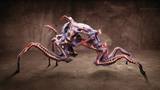











There are basic principles involved in creating a solid walk cycle for production that every animator should learn. This 3-hour workshop by Stephen Cunnane, an animator for the film industry, reveals the subtle yet complex process when it comes to animating a convincing walk cycle for four-legged animals or fantasy creatures. From covering the basics in anatomy and explaining how it plays into building the complex motions needed for detailed animation, to discussing and demonstrating the tools within Maya that can help you to stay organized, Stephen’s workshop enables animators to create fast and efficient workflows.
Throughout this workshop, you’ll learn the importance of importing a rig as a proxy and discover all the benefits of using the Reference Editor to keep your scene well organized. Stephen also covers the topics of baking, motion tracking, and animation layers to add all the other secondary levels of animation. The second portion of the workshop focuses on animating the walk cycle before the final chapter, which explains how to add the wings, neck, and head, for a convincing creature animation.
Stephen also provides breakdowns of feet and body movement and details how to take a final walk cycle and build a new animation for a project — or for production.
The rig used in this workshop was created by Truong CG Artist and is available to download for free here.
8 Lessons
The first lesson of Stephen Cunnane’s workshop reveals that successful creature animation begins long before touching software. Stephen begins with thorough research and observation of real animals. By understanding anatomy and studying historical pioneers like Eadweard Muybridge, animators build a foundation applicable to all creature types.
Duration: 5m 13s

This lesson establishes a methodical workflow for organizing complex character rigs. Using referencing, display layers, and selection sets allows for efficient work and avoids frustration with high-control rigs. These techniques ensure a clean, professional, and non-destructive workflow throughout the animation process.
Duration: 20m 36s

Creating quadruped walk cycles in Maya requires technical proficiency and an understanding of anatomy. Stephen's workflow progresses from broad key poses to refined details, using professional keyframe management techniques. This process captures realistic weight distribution and timing to bring characters to life.
Duration: 27m 49s

In this lesson, artists will understand how to create believable quadruped foot animation by breaking down the walk cycle into manageable technical components. Stephen shows that consistent ground speed, realistic weight transfer, and careful curve management produce natural-looking locomotion. Establishing proper foot mechanics first builds a solid foundation for refining upper body movement and final details.
Duration: 27m 40s

Breaking the body into connected systems transforms a basic walk cycle into a performance with believable weight and natural movement. Treating animation curves as representations of gravity and momentum helps ensure anatomical accuracy and physical realism.
Duration: 39m 12s

Professional-level polishing techniques emphasize weight distribution, timing offsets, and secondary motion. Stephen demonstrates how layering refinements transforms mechanical animation into physically grounded movement.
Duration: 19m 5s

The polishing phase transforms blocking into finished work through meticulous refinements. Success requires balancing physics, anatomy, and arcs with artistic expression, while maintaining a critical eye and checking work against reference material, ensuring every element feels natural. This timelapse demonstrates how great animation emerges from dedicated iteration.
Duration: 25m 31s

This final lesson demonstrates how to build complex character performances through layering simple elements. Stephen shows that baking the base walk cycle and using animation layers for movements such as roars and wing flares produces dynamic results. Referencing nature and maintaining organizational habits ensures professional results while bringing characters to life.
Duration: 25m 19s

Primary tools
For this workshop you’ll need:

* Note that these programs and materials will not be supplied with the course.
Skills Covered
Who’s this Workshop for?
This workshop is intended for intermediate to advanced animators working in film, television, or game production who want to master four-legged creature animation. Artists with basic Maya knowledge and foundational animation principles will gain the most from Stephen Cunnane’s industry-tested techniques.
Character animators, creature specialists, and technical artists looking to expand their skill set will find immense value in this comprehensive approach. Students and freelancers seeking production-ready workflows will learn efficient methods that translate directly to professional studio environments and client work.
Learning Outcomes
By the end of this workshop, artists will have acquired the fundamental principles and advanced techniques required for creating convincing four-legged creature walk cycles in production environments.
Key skills include:
- How to import rigs as proxies and utilize Reference Editor for organized scene management.
- How to apply anatomical principles to create believable four-legged creature movement and locomotion.
- How to implement baking, motion tracking, and animation layers for secondary animation details.
- How to construct solid walk cycles using production-proven workflows and efficient Maya tools.
- How to animate wings, neck, and head movements for complete creature performance integration.
- How to analyze and break down feet and body mechanics for realistic quadruped animation.
- How to adapt existing walk cycles into new animations for various production requirements.


