
 Photoshop
 ZBrush
 Houdini
 Blender
 Unreal Engine
 Arnold
 Nuke
Nuke KeyShot
 V-Ray
V-Ray Marmoset Toolbag
 Marvelous Designer
 Substance Designer
 3ds Max
 3DCoat
 Redshift
 Faceform Wrap
 Lightroom
 After Effects
 OctaneRender
 SpeedTree
 Daz 3D
 Agisoft Metashape
 Fusion
 Modo
Modo RealityCapture
 Gaea
Gaea Cinema 4D
 Gravity Sketch
 Premiere
 Procreate
 Clip Studio Paint
 SketchUp
 SketchBook
 Katana
 Natron
 Mudbox
 Quixel Bridge
 Quixel Megascans
 Quixel Mixer
 Substance 3D Modeler
 World Creator
 Yeti
Yeti Ziva VFX
 Mixamo
 Adobe Medium
 Quixel DDO
 xNormal
 Meshmixer
 Storyboard Pro
 DaVinci Resolve
 TreeIt
 World Machine
 Gaffer
 Corel Painter
 SynthEyes
 Krita
Krita Massive
 Materialize
 Unity
Unity Ornatrix
 PreForm
 Moi 3D
 animBot
 QuickTime
 ReCap
ReCap

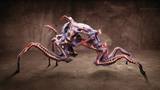
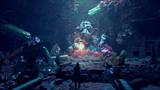


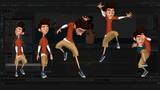



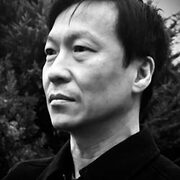








This comprehensive material texturing workshop teaches industry-proven techniques tried and tested on feature films by Lead Texture Artist, Peter Aversten. During 8.5 hours of video tutorials, Peter walks through the techniques he uses in production using primarily Mari and Maya, beginning with the fundamentals and demonstrations of more beginner concepts covering the Mari node graph — perfect for those transitioning from a layer-based workflow. The workshop then gradually builds on the processes explored in the initial chapters, while demonstrating how to work with a typical hero UDIM asset that would be found in the majority of feature films.
Peter reveals how to texture assets for RenderMan using physical values and shows how to create some of the major materials, highlighting a combination of techniques that are both procedural and texture-library-based. He also explains how to use physical values for texturing from the Index of Refraction databases and discusses how a typical feature film pipeline works to provide all-important industry insights.
Topics range from production UVs, material assignments in Maya, to working with different packages including Substance Painter for baking utility maps as well as using texture resources from both Substance Source and Megascans. He additionally walks through how to set up a test scene using RenderMan for Maya to test the progress of the textures produced during the series.
Project files include the 3D asset, Mari procedural nodes, and the Index of Refraction values used in the material creation process for the RenderMan shader and are available to download with a subscription.
28 Lessons
Peter Aversten introduces his workshop, which serves as a bridge for artists transitioning from Mari's layer stack to node-based workflows. While the layer system provides an intuitive interface for applying and blending pre-made materials, with features such as automatic masking and multi-channel editing, he emphasizes that mastering the node graph is crucial for production work. The layer stack is best used as a learning tool to understand material concepts before diving into the more powerful, flexible node-based approach required to create custom materials.
Duration: 10m 44s

This lesson establishes the foundational workflow for professional material authoring in Mari, emphasizing that successful material creation requires understanding both the technical node-graph architecture and production-oriented practices like template building and library management. Peter's approach focuses on creating flexible, artist-friendly materials that balance complexity with usability, setting up a framework that will be expanded in subsequent lessons. Whether working solo or in a facility pipeline, these principles of exposing key controls, using procedural breakup, and maintaining organized material libraries form the backbone of efficient texturing workflows.
Duration: 27m 8s

This lesson emphasizes professional material-creation workflows that prioritize both artistic flexibility and technical efficiency. Peter's approach focuses on building materials that are well-organized and performance-optimized through strategic baking and provides artists with intuitive controls for common adjustments. By strategically using manifold-based workflows and utility nodes, materials become more maintainable and allow multiple texture maps to be controlled cohesively, which is essential in production environments where materials need to be both powerful and user-friendly.
Duration: 38m 3s

Proper preparation and naming conventions are critical for successful texture-baking workflows. While production environments may automate these processes, understanding the fundamental principles, including UV inspection, geometry preparation, material ID assignment, and troubleshooting common errors, ensures artists can handle manual baking procedures and fix issues when automated systems fail. Peter explains why the key is to maintain consistency in naming, colors, and geometry organization to enable repeatable results when assets need updates.
Duration: 23m 54s

The optimal Mari workflow combines geochannels and radionodes to leverage the strengths of both systems. Geochannels provide access to high-quality baked utility maps within any level of the node hierarchy, making them essential for building reusable gizmos. Radionodes offer live, non-destructive adjustments in the main graph for faster iteration. By setting up both systems simultaneously with consistent naming conventions and using bake points for data management, artists can learn how to maintain flexibility while working efficiently across complex texturing projects.
Duration: 18m 24s

Bake points are essential optimization tools for managing complex procedural texturing workflows. By strategically placing bake points after computationally expensive node networks, artists can learn how to maintain real-time performance while preserving the flexibility to make upstream adjustments. The limited patch baking feature further enhances efficiency by allowing targeted updates to specific regions without rebaking entire assets, making it practical to work with heavy procedural setups on large projects.
Duration: 11m 56s

Creating standardized templates in Mari significantly improves efficiency by eliminating repetitive setup work across projects. The key is to identify common elements such as bakes, masks, and material blends that can be standardized, and then organize them with clear naming conventions and easy navigation tools. While templates need minor adjustments when applied to new assets (rebaking nodes with new texture data), they provide a solid foundation that allows artists to focus on creative work rather than rebuilding basic node structures for every project.
Duration: 21m 41s

Creating custom procedurals is an essential workflow optimization technique for texture artists. By identifying repetitive node setups and converting them into reusable custom procedurals, artists can learn how to significantly speed up their work and maintain consistency across projects. Peter's approach is particularly valuable in production environments where standardization and efficiency are critical, allowing artists to build a personal library of tools tailored to their specific needs.
Duration: 8m 22s

Proper UV layout requires strategic planning that considers both technical requirements and workflow efficiency. By maintaining uniform texel density, organizing UVs with consistent directionality, implementing mirrored layouts where appropriate, and grouping materials logically, artists can learn how to significantly streamline their texturing and baking processes. While modern tools have simplified some aspects of symmetrical work, traditional UV layout principles remain valuable for efficient texture management and editing.
Duration: 8m 9s

Multi-channel bake points are an essential optimization tool in Mari for managing complex material workflows. By baking expensive material calculations once and working from the cached results, artists can learn how to maintain interactive viewport performance even with numerous complex materials. The ability to selectively rebake specific patches and channels provides flexibility while minimizing unnecessary computation, making it an efficient workflow for production environments.
Duration: 11m 14s

This lesson demonstrates a production-level approach to creating physically accurate metal materials by leveraging scientific data and custom procedural systems. By building a library of preconfigured material gizmos with accurate IOR and extinction coefficient values, artists can learn how to quickly switch between metals (gold, aluminum, copper, etc.) without repeatedly entering complex physical parameters. Peter's methodology improves both accuracy and efficiency in texture creation workflows.
Duration: 12m 58s

This lesson presents a professional workflow for creating sophisticated, reusable materials in Mari that go beyond basic texture mapping. By combining offline rendering for accurate previews, procedural layering techniques, and smart parameter exposure, artists can learn how to build flexible material systems that respond intelligently to geometry features, such as curvature, while maintaining artistic control. The "smart material" approach demonstrated enables complex, multi-layered materials with artist-friendly controls, similar to workflows in Substance Designer but adapted to Mari's node-based system.
Duration: 23m 33s

This lesson demonstrates a production-proven approach to material creation that combines commercial texture libraries with custom procedural work. By layering base materials from Substance Source with imperfection maps from Megascans and building flexible control systems in Mari, artists can learn how to efficiently create realistic, customizable materials. Peter's emphasis on exposing parameters and packaging materials for reuse reflects professional production needs where materials must be both high quality and easily adjustable by different artists throughout a project.
Duration: 40m 12s

Creating a convincing Hammerite paint material requires layering multiple technical elements, particularly the clear coat system that gives the characteristic plastic-coated metal appearance. While Peter's workflow involves some manual translation between RenderMan and Mari due to viewport limitations, the combination of proper IOR values, absorption tint, thickness parameters, and procedural surface details produces a realistic industrial coating effect. This lesson emphasizes understanding how physical shader parameters interact to achieve specific real-world material appearances.
Duration: 10m 8s

This lesson showcases professional material-authoring techniques for creating realistic, complex surface effects in Mari. By combining custom procedurals, multiple mask layers, and geo-channel data, Peter demonstrates how to build a flexible "smart material" that automatically responds to geometry features. His approach teaches artists how to create physically plausible dirt materials with wet and dry variation that can be easily adjusted and reused across different assets.
Duration: 11m 26s

This wire shader demonstrates the importance of proper UV preparation and systematic procedural layering. By establishing a base scale and carefully aligning additional procedurals to match, the shader creates a realistic twisted-wire appearance that tiles seamlessly. Peter's use of brightness curves to soften linear procedurals into rounded forms is a key technique for achieving believable cylindrical wire geometry from flat texture patterns.
Duration: 9m 9s

This lesson provides a comprehensive workflow for creating a procedural Rust material that can be applied selectively to metallic surfaces. The key to realism is layering multiple procedural patterns that work together across color, bump, and specular channels, all driven by the same base masks for consistency. Peter's approach allows for flexible, non-destructive rust application that can be easily adjusted and applied to various metal parts as needed.
Duration: 12m 4s

This lesson establishes a professional texturing workflow that prioritizes planning, efficiency, and early problem detection. By setting up a robust infrastructure with templates, proper color management, and ID-based material assignments, Peter creates a foundation that will support complex material creation while minimizing technical issues. His emphasis on testing materials early in the renderer ensures that any fundamental problems with the model or UVs can be addressed before substantial texturing work begins, ultimately saving time and preventing costly revisions later in the production pipeline.
Duration: 40m 12s

This lesson provides essential technical knowledge for integrating Mari-exported textures into a RenderMan production pipeline. Peter's workflow emphasizes proper color space management, texture optimization through .tx conversion, and correct shader configuration for physically based rendering. While he acknowledges that production environments typically automate texture assignment and rendering, his manual setup process is valuable for artists working independently or testing materials during development before final automated turntable renders.
Duration: 13m 19s

This lesson showcases a professional production approach to complex asset texturing, emphasizing the balance between creative iteration and technical performance. Peter's workflow demonstrates that achieving realistic materials requires multiple layers of controlled randomization and breakup rather than relying on single effects. By establishing efficient organizational systems (bake points, geometry versions, channel management) early in the process, artists can learn how to maintain creative flexibility while keeping the scene performant enough for real-time feedback during the texturing phase.
Duration: 37m 28s

This lesson showcases a professional production approach to complex asset texturing, emphasizing the balance between creative iteration and technical performance. The workflow demonstrates that achieving realistic materials requires multiple layers of controlled randomization and breakup rather than relying on single effects. By establishing efficient organizational systems (bake points, geometry versions, channel management) early in the process, artists can maintain creative flexibility while keeping the scene performant enough for real-time feedback during the texturing phase.
Duration: 10m 43s

This lesson showcases a sophisticated layered approach to displacement mapping that balances multiple scales of detail while maintaining realistic surface characteristics. Peter demonstrates that effective displacement work requires not just adding detail, but intelligently controlling where and how strongly that detail appears based on real-world material behavior. By baking displacement data as reusable geo-channels, he creates a foundation that will streamline the subsequent material-authoring phase.
Duration: 12m

This lesson showcases an advanced material-authoring workflow that prioritizes flexibility and efficiency through layered masking and strategic baking. Peter demonstrates a methodical approach to building complex, realistic materials by combining library assets with custom procedural breakup and displacement data. With the materials now properly assigned, the next phase will focus on integration work, including adding scratches, dirt, rust, and other details to make the surfaces feel used and believable, along with refining the rubber displacement to add surface interest.
Duration: 22m 56s

This lesson demonstrates an advanced material-authoring workflow that combines procedural techniques with hand-painted control for creating believable military vehicle wear. Peter's systematic approach of layering materials, using masks to reveal underlying coats, and properly handling material properties (especially when mixing metallic and non-metallic elements) results in a highly realistic aged appearance. The next lessons will focus on metal scratches and introducing rust effects to further enhance realism.
Duration: 24m 51s

This lesson demonstrates an advanced, layered approach to creating realistic surface wear in Mari, emphasizing both technical efficiency and artistic control. Peter's workflow balances procedural smart masks with manual artistic refinement, while using performance-optimization techniques such as simplified preview comps. With the metallic base, scratches, and rust now established, the next lesson will focus on adding dirt, grime, and oil effects to further integrate and ground the asset in a believable environmental context.
Duration: 14m 27s

This lesson demonstrates a professional, layered approach to asset weathering that prioritizes physical realism and technical flexibility. Peter's methodical process of building up multiple dirt types with carefully crafted masks creates believable wear patterns while maintaining control for future adjustments. His workflow emphasizes the importance of iterative refinement and preparing assets properly for downstream look development work, where separate material passes allow directors and artists to dial in the exact level of weathering needed for each shot.
Duration: 17m 8s

This lesson demonstrates a professional texturing pipeline that separates texture creation from final look development, providing maximum flexibility for iterative adjustments. By exporting clean passes, dirt passes, and multiple mask variations, artists enable look-development teams to fine-tune material appearances without requiring new texture exports. Peter's modular approach is standard in production environments where collaboration between texturing and look-development departments requires clear handoffs and version control systems.
Duration: 23m 45s

This final lesson demonstrates an efficient workflow for creating weathered, realistic 3D assets using smart material systems and mask-based texturing. While Peter acknowledges the work shown represents an intermediate stage rather than final production quality, it effectively illustrates how modern texturing tools can accelerate the creative process. His assessment of remaining issues and time requirements offers valuable guidance on professional 3D asset production standards.
Duration: 4m 47s

Primary tools
For this workshop you’ll need:


* Note that these programs and materials will not be supplied with the course.
Project Files
This workshop provides artists access to Pat Imrie's project files. Inside, you'll find:
- 3D models (.abc) – Gatling gun geometry ready to import into any 3D application or game engine
- RenderMan IOR files (.mpc) - IOR files used for the RenderMan test scene within Maya - These project files have been provided by the instructor to make it easier to follow along with the workshop. –
Skills Covered
Who’s this Workshop for?
This workshop is designed for intermediate to advanced texture artists working in feature film production who want to master industry-standard texturing workflows. Artists familiar with basic texturing concepts but seeking to transition from layer-based approaches to node-based Mari workflows will find this particularly valuable.
Junior artists looking to advance their careers in high-end VFX and experienced professionals wanting to refine their RenderMan material creation skills will also benefit significantly. The comprehensive coverage of production pipelines and physically based material workflows provides essential knowledge for anyone serious about feature film texturing work.
Learning Outcomes
By completing this workshop, artists will have mastered professional texturing techniques used in feature film production, including Mari node workflows and RenderMan material creation.
Key skills include:
- How to navigate and utilize Mari's node graph system for professional texture workflows.
- How to work with hero UDIM assets typical of feature film production environments.
- How to create physically accurate materials using RenderMan with proper Index of Refraction values.
- How to effectively integrate Substance Painter for baking utility maps within production pipelines.
- How to leverage texture libraries from Substance Source and Megascans in professional workflows.
- How to set up and use RenderMan test scenes for iterative texture development.
- How to manage material assignments and production UVs efficiently within Maya environments.


