
 Photoshop
 Maya
Maya ZBrush
 Houdini
 Substance Painter
 Blender
 Unreal Engine
 Arnold
 Nuke
Nuke KeyShot
 V-Ray
V-Ray Marmoset Toolbag
 Mari
Mari Marvelous Designer
 Substance Designer
 3ds Max
 3DCoat
 Redshift
 Faceform Wrap
 Lightroom
 After Effects
 OctaneRender
 SpeedTree
 Daz 3D
 Agisoft Metashape
 Fusion
 Modo
Modo RealityCapture
 Gaea
Gaea Cinema 4D
 Gravity Sketch
 Premiere
 Procreate
 Clip Studio Paint
 SketchUp
 SketchBook
 Katana
 Natron
 Mudbox
 Quixel Bridge
 Quixel Megascans
 Quixel Mixer
 Substance 3D Modeler
 World Creator
 Yeti
Yeti Ziva VFX
 Mixamo
 Adobe Medium
 Quixel DDO
 xNormal
 Meshmixer
 Storyboard Pro
 DaVinci Resolve
 TreeIt
 World Machine
 Gaffer
 Corel Painter
 SynthEyes
 Krita
Krita Massive
 Materialize
 Unity
Unity Ornatrix
 PreForm
 Moi 3D
 animBot
 QuickTime
 ReCap
ReCap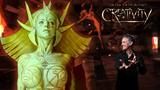












15 Lessons
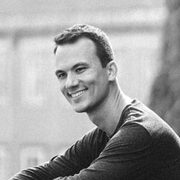
In this workshop, John Brown explores the art of posing in figurative sculpture. Using classical proportions, anatomical relationships, and careful grid-based planning, he demonstrates how to achieve aesthetic balance and emotional impact. Working with Van Arno, he emphasizes the importance of character backstory in guiding proportions and armature construction, showing that successful sculpture is grounded in preparation rather than emerging spontaneously during modeling.
Duration: 13m 51s

In this lesson, Van Arno provides a systematic approach to drawing female figure proportions using a grid-based method. Van stresses that while these proportions create realistic figures, they serve as a foundation that can be modified for stylistic purposes while maintaining structural integrity. Understanding these basic relationships, particularly the differences in how male and female figures bend and move, is essential for creating convincing figure drawings across various artistic styles.
Duration: 13m 11s

In this lesson, John demonstrates how to maintain correct proportions using anatomical landmarks, strategically orient the armature for the intended pose, and secure joints with epoxy while allowing removable shoulder articulation. Mastering these techniques provides a strong, flexible support structure essential for professional-quality, poseable sculptures.
Duration: 37m 20s

In this lesson, John demonstrates how realistic figure poses rely on the natural interplay of tilts and angles throughout the torso, head, and limbs. By understanding anatomical positioning and joint mechanics, artists can avoid rigid, unnatural poses and create figures with believable balance and movement.
Duration: 3m 10s

In this lesson, John provides more essential knowledge for armature construction in figure sculpture, emphasizing the balance between structural stability and anatomical accuracy. From checking precise measurement and understanding of body mechanics to proper use of support hardware, John ensures the armature can withstand the sculpting process while maintaining correct proportions. With the armature properly secured and stabilized, he can confidently pose the model how he wants.
Duration: 7m 52s

In this lesson, John begins the process of applying clay to the armature by establishing simplified, geometric forms before attempting detailed work. His process of carefully blocking out major body masses with attention to anatomical principles, proportions and symmetry creates a solid framework for future refinement. By maintaining clean forms, clear reference lines, and proper relationships between body parts, John shows how sculptors can ensure accuracy in their work from the earliest stages.
Duration: 13m 59s

In this lesson, John demonstrates a systematic approach to building anatomical forms in clay, emphasizing reference lines and working from multiple views. Starting with the torso, he shows how understanding anatomical relationships and using careful measurements ensures symmetry and proportion, while breaking complex forms into manageable sections allows sculptors to accurately recreate even the most challenging structures.
Duration: 20m 39s

In this lesson, John reinforces the importance of establishing anatomical structure using simplified geometric forms. By working through key skeletal elements, such as the pelvis and skull, marking critical landmarks, and maintaining consistent reference lines, he shows how to build a solid foundation that highlights errors early and guides the sculpture toward a successful, accurate final form.
Duration: 15m 28s

In this lesson, John demonstrates how pattern recognition in figure posing is essential for creating dynamic, balanced, and natural compositions. Using plumb lines and principles from master sculptors, he shows how understanding these patterns helps artists craft structurally sound, visually compelling figures, forming a foundation for developing a unique artistic identity.
Duration: 6m 41s

In this lesson, John emphasizes that effective character art requires artists to think like storytellers, not just observers. While technical skill is important, poses must reflect a character's personality, emotions, and backstory. By prioritizing narrative over generic action, artists can create sculptures that resonate deeply with viewers.
Duration: 3m 47s

In this lesson, John explores the contrapposto pose, a "counterpoise" technique that breaks rigid symmetry to create lifelike, dynamic figures. By mastering contrapposto, artists can depict natural human motion and balance, conveying narrative and action through limb placement. John emphasizes that understanding this foundational pose is essential for all other figure work.
Duration: 9m 57s

In this lesson, John introduces the serpentine pose, which represents a powerful tool for creating emotionally charged figure drawings or sculptures that appear unnatural yet dynamic. By understanding how to balance extreme twisting movements with structural principles like the plumb line, John demonstrates how to create compelling compositions that maintain believability while achieving dramatic effect.
Duration: 13m 52s

In this lesson, John introduces the adlocutio pose, a classical stance that conveys power and authority. He demonstrates how to execute it with proper anatomical positioning, weight distribution through contrapposto, and compositional balance, showing how mastering this pose enables artists to imbue their sculptures with a commanding presence.
Duration: 10m 27s

In this lesson, the figure is enhanced further by breaking symmetry through deliberate twisting and offsetting of body parts, while maintaining compositional balance. Combining elements of the serpentine and adlocutio poses, subtly twisting the figure and allowing different sections of the body to move in contrasting directions, sculptors can move away from static poses to create more engaging and visually interesting figures that guide the viewer's eye.
Duration: 3m 5s

In this final lesson, John explores the Pudica pose, blending art history with practical sculpting techniques. He demonstrates how to construct this classical stance with anatomical accuracy and strong compositional principles, emphasizing varied angles and lines of action to create visually engaging sculptures that guide the viewer’s eye.
Duration: 4m 58s

Project Files
By downloading these workshop files, you’ll have access to the same measurement graphs and orthographic references that John Brown uses in his lessons. In this package, you'll find:
- Orthographic views (.jpg) – Images you can use to reference anatomy, build your armature from, and create base shapes in clay
Skills Covered
Who’s this Workshop for?
This workshop is designed for intermediate to advanced figurative artists, sculptors, and art students who want to master foundational armature construction techniques. It's particularly valuable for those struggling with proportional accuracy in their sculptural work, with the lessons here showcasing best practices and skills for achieving perfect anatomy in your figures
The workshop’s teachings provide foundational knowledge of compositional balance for characters and structural planning, including posing, helping artists develop stronger observational skills with precision. Digital sculptors working in the entertainment industry will also benefit greatly from these principles of form and proportion.
Learning Outcomes
By completing this workshop, artists will have mastered essential armature construction techniques and foundational principles for creating structurally sound, aesthetically compelling figurative sculptures.
Key skills include:
- How to establish proper proportional plotting on paper before beginning sculptural construction.
- How to construct reliable armatures that provide adequate support for complex figurative poses.
- How to identify and block out essential bony forms as structural landmarks.
- How to establish a line of action and a plumb line for dynamic compositional balance.
- How to apply pattern recognition principles that connect all successful figurative artwork.
- How to integrate narrative considerations into pose selection and structural planning decisions.
- How to make strategic creative decisions before adding musculature and surface details.


