
 Photoshop
 Maya
Maya ZBrush
 Houdini
 Substance Painter
 Blender
 Unreal Engine
 Arnold
 Nuke
Nuke KeyShot
 V-Ray
V-Ray Marmoset Toolbag
 Mari
Mari Marvelous Designer
 Substance Designer
 3ds Max
 3DCoat
 Redshift
 Faceform Wrap
 Lightroom
 After Effects
 OctaneRender
 SpeedTree
 Daz 3D
 Agisoft Metashape
 Fusion
 Modo
Modo RealityCapture
 Gaea
Gaea Cinema 4D
 Gravity Sketch
 Premiere
 Procreate
 Clip Studio Paint
 SketchUp
 SketchBook
 Katana
 Natron
 Mudbox
 Quixel Bridge
 Quixel Megascans
 Quixel Mixer
 Substance 3D Modeler
 World Creator
 Yeti
Yeti Ziva VFX
 Mixamo
 Adobe Medium
 Quixel DDO
 xNormal
 Meshmixer
 Storyboard Pro
 DaVinci Resolve
 TreeIt
 World Machine
 Gaffer
 Corel Painter
 SynthEyes
 Krita
Krita Massive
 Materialize
 Unity
Unity Ornatrix
 PreForm
 Moi 3D
 animBot
 QuickTime
 ReCap
ReCap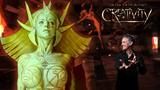
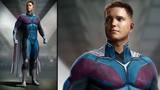
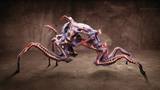














Character design is only part of the equation; presentation is what sells an idea. In this second volume on Virtual Makeup Design, Film and TV creature and concept designer Neville Page focuses on how to present character designs in a way that ensures clarity, realism, and approval from decision-makers.
In Volume 1, Neville presented how to create designs that can be turned into practical makeup, working from head scan data to demonstrate how to work on top of it in ZBrush, the same as if you were working with a physical life cast. In this second volume, Neville takes the two character designs created in Vol. 1 and, using digital tools, he demonstrates how to apply color, texture, and materials that accurately represent not only the final look of a character but also the real-world materials that would be used in practical makeup effects, such as foam latex, silicone, and paint.
By showcasing multiple character designs, Neville illustrates his key professional techniques for making digital concepts feel tangible and production-ready, empowering artists to present their work professionally and precisely. The methods taught follow the same workflow that Neville uses when designing for sci-fi movies and TV series.
17 Lessons
In this practical makeup effects workshop, Neville demonstrates his method for creating realistic 3D character heads for concept presentations. Instead of aiming for full photorealism, he achieves good-quality results through smart workflow choices and lighting techniques borrowed from photography. These principles apply across software platforms, emphasizing that working efficiently within your skill set is the key to producing professional results.
Duration: 9m 24s

This lesson looks at experimental, iterative approaches to character texturing that bridges texturing from Photoshop into rendering in Keyshot. Neville maintains flexibility in the creative process, trying unexpected texture sources and using color variations, to find unique results. He also considers practical considerations at this time, like the performer's comfort, if they wear contact lenses, for intstance.
Duration: 5m 49s

In this lesson, Neville emphasizes that photorealism begins with proper lighting and continues through thoughtful texture choices, but that real-world application should always be a consideration, whether that's makeup application time, budget limitations, or technical requirements. Working in Photoshop, he shows how artists can "sketch with sliders" while maintaining loose creative goals, allowing for discovery while working toward a final alien makeup design.
Duration: 10m 20s

This lesson takes the first head sculpted in volume one of this workshop, and demonstrates an iterative process requiring constant evaluation and adjustment. Neville emphasizes working efficiently by knowing when "good enough" serves the presentation purpose, while bearing in mind that the design must serve the story and character rather than simply show the artist's abilities.
Duration: 19m 28s

In this lesson, Neville's workflow shows how balancing technical efficiency with creative experimentation (while knowing which details matter at which stage of the process) can lead to more effective client presentations. He reinforces that the best designs come from testing ideas quickly, being willing to start over when something isn't working, and understanding the practical constraints of production.
Duration: 23m 32s

In this lesson, Neville continues to work efficiently, creating just enough visual information to communicate design intent and secure approval, rather than pursuing perfection. Neville encourages artists to think that oncept art serves a specific purpose in the production pipeline: to clearly convey design ideas that other specialized artists will later refine into final production assets.
Duration: 11m 9s

In this lesson, Nevill works on detailing his character design from volume one of this workshop, keeping in mind when and where to invest time in 3D software adjustments versus post-processing in Photoshop. Using his own head scan to transform into Count Orlok’s character likeness, Neville shows how beneficial it can be to start with this foundational topology.
Duration: 19m 9s

In this lesson, Neville provides a valuable insight into the professional digital artist's workflow, emphasizing efficiency. He shows that not every detail needs to be perfect in isolation, and that some elements that appear problematic in one lighting scenario may work perfectly in the intended final shot. Neville demonstrates how to anticipate results and allocate effort strategically rather than wasting time on perfection for any one feature.
Duration: 9m 16s

In this lesson, Neville continues to work on his character piece, prioritizing clear communication of design intent and recognizing that the render serves as a bridge between concept and practical execution by makeup departments. By investing time in CG and post-production adjustments where it's needed, and using his reusable asset libraries, Neville shows how artists can create compelling presentations that facilitate informed decision-making without getting lost in unnecessary technical details.
Duration: 28m 29s

Moving on to the last sculpture from volume one, in this lesson, Neville reworks some technical aspects for his purposes, before approaching texture and rendering work. Starting this process in ZBrush, he advocates learning from traditional sculptors and painters working in more practical effects to enhance digital work.
Duration: 7m 10s

In this lesson Neville makes further improvements to his creature sculpt. He adds in creative details that enhance the realism and visual interest of his design, while considering how every choice affects manufacturing, actor comfort, mechanical requirements and budget. Developing deep knowledge of that reference or anatomy, along with the requirements that allow those things to be replicated in practical effects, is the key to success.
Duration: 13m 56s

In this lesson, Neville focuses on creating efficient solutions for problems that can occur during the design process. The ability to test lighting scenarios, material properties, and color relationships virtually before physical fabrication is what makes the concept design stage so important. By making these critical decisions early with input from all departments, virtual design prevents costly mistakes and ensures that makeup artists, cinematographers, and costume designers can execute their work with confidence, knowing the final result will perform as intended.
Duration: 23m 29s

In this lesson, Neville makes some technical decisions, editing the character posing, making adjustments in the sculpture, and adjusting the lighting, in order to balance the artistic vision he has with real-world constraints, like prosthetic functionality and narrative context. He talks of the collaborative process, and how learning from mistakes ultimately determines an artist's value and longevity in production environments.
Duration: 18m 44s

This lesson demonstrates an efficient approach to character design where Photoshop serves as a rapid prototyping tool for development before committing to final 3D rendering. Neville emphasizes that quick experimentation in Photoshop allows for faster design decisions and helps determine which concepts are worth the time and effort to fully develop in either sculptural or rendering software.
Duration: 6m 47s

In this lesson, Neville discusses honesty throughout the presentation process; showing directors and clients only what can realistically be achieved on set or in final production. By separating approval stages and creating textures as roadmaps rather than final assets, he demonstrates how to work more efficiently while setting realistic expectations that prevent costly disappointments later in production.
Duration: 15m 10s

This lesson goes over a fast alternative to creating complex 3D lighting effects. In this instance the "cucoloris", which can be used to fake dappled lighting, is recreated in Photoshop using real-world photography principles. By understanding real-world photography principles, Neville illustrates how cameras handle exposure latitude, enabling artists to create more believable compositions that reflect actual filming conditions.
Duration: 3m 50s

In this final lesson, Neville applies his approach to character design for makeup effects to his final renderings, continuing to focus on efficiency with strategic detail placement taking priority over perfection. The final package of various views, textures, and eyeball options provides sufficient information for client approval and subsequent handoff to practical effects sculptors who will create the physical creature.
Duration: 8m 31s

Primary tools
For this workshop you’ll need:
Skills Covered
Who’s this Workshop for?
This workshop is designed for intermediate to advanced digital artists, character designers, and makeup effects professionals who want to master professional character presentation techniques. Artists should have basic ZBrush knowledge and an understanding of character design and rendering fundamentals to fully benefit from Neville Page’s advanced workflows, as this workshop builds off of Volume One.
The techniques taught in these lessons directly translate to professional workflows used in entertainment productions, including major sci-fi series Neville has worked on. These skills make this workshop a powerful learning tool for viewers looking to work in film and television as concept artists, creature designers, and practical effects artists.
Learning Outcomes
By completing this workshop, artists will have mastered professional digital presentation techniques that transform character concepts into designs that will guarantee approval.
Key skills include:
- How to apply realistic color, texture, and materials to character designs using digital tools.
- How to accurately represent practical makeup materials like foam latex and silicone digitally.
- How to present character concepts with clarity and realism for client approval processes.
- How to make digital designs feel tangible and production-ready through professional presentation techniques.
- How to follow industry-standard workflows used in major sci-fi film and television productions.
- How to transform basic character designs into compelling, marketable concept presentations.


