 Maya
Maya ZBrush
 Houdini
 Substance Painter
 Blender
 Unreal Engine
 Arnold
 Nuke
Nuke KeyShot
 V-Ray
V-Ray Marmoset Toolbag
 Mari
Mari Marvelous Designer
 Substance Designer
 3ds Max
 3DCoat
 Redshift
 Faceform Wrap
 Lightroom
 After Effects
 OctaneRender
 SpeedTree
 Daz 3D
 Agisoft Metashape
 Fusion
 Modo
Modo RealityCapture
 Gaea
Gaea Cinema 4D
 Gravity Sketch
 Premiere
 Procreate
 Clip Studio Paint
 SketchUp
 SketchBook
 Katana
 Natron
 Mudbox
 Quixel Bridge
 Quixel Megascans
 Quixel Mixer
 Substance 3D Modeler
 World Creator
 Yeti
Yeti Ziva VFX
 Mixamo
 Adobe Medium
 Quixel DDO
 xNormal
 Meshmixer
 Storyboard Pro
 DaVinci Resolve
 TreeIt
 World Machine
 Gaffer
 Corel Painter
 SynthEyes
 Krita
Krita Massive
 Materialize
 Unity
Unity Ornatrix
 PreForm
 Moi 3D
 animBot
 QuickTime
 ReCap
ReCap












12 Lessons
In this lesson, Marc evaluates and begins to further develop his ink over illustrations in Photoshop for his robot concept, focusing on principles of light and value to help describe the object and its silhouette. By understanding how light interacts with three-dimensional forms and working methodically from mid-tones to extremes, he shows how artists can render virtually anything they can imagine.
Duration: 16m 40s

In this lesson, Marc shows how he applies texture to his drawings. He emphasizes that every element helps establish visual hierarchy and guide the viewer’s eye. By developing a consistent personal set of techniques and studying master artists, illustrators can create compelling designs that clearly communicate their artistic vision.
Duration: 6m 56s

In this lesson, Marc focuses on developing the robot’s foot design. Using the same principles from earlier lessons, he shows how lighting and tonal values create clear, three-dimensional forms. By working systematically from mid-tones to shadows and highlights, and observing real-world lighting, Marc demonstrates how simple drawings can quickly become believable objects that communicate design intent effectively.
Duration: 8m 15s

In this lesson, Marc begins to add value and tone to the side orthographic view, to help better inform the viewer. Continuing to work in value and tone, while utilizing additional tools in Photoshop, he quickly transforms flat line drawings into solid, three-dimensional designs.
Duration: 7m 22s

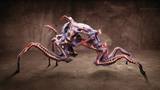
In this lesson, Marc explores four distinct lighting scenarios for his spider robot, using them as major tonal studies. By creating different moods and combining them with Photoshop layer masks, he demonstrates how to experiment and discover unexpected creative solutions. This approach is especially useful for developing rich, atmospheric sci-fi environments and finding the most compelling visual treatment for characters or creatures.
Duration: 2m 43s

In this lesson, Marc continues experimenting with different lighting combinations. He demonstrates painting using layer masks, a non-destructive way to explore and refine lighting in Photoshop. This approach allows Marc to quickly generate multiple atmospheric variations, discover unexpected lighting solutions, and make informed decisions about mood and focal points.
Duration: 16m 14s

In this lesson, Marc showcases his final line drawing. By combining scanning technology with Photoshop's adjustment tools, he shows how artists can preserve the organic quality of hand-drawn work while achieving the clean, crisp results necessary for professional illustration and publishing purposes.
Duration: 28s

In this lesson, Marc shows how to select and manage line work in an illustration. By converting line drawings into painted layers using channels, he gains greater flexibility to adjust line colors and keep elements cleanly separated. This method provides better control than traditional layer blending, making it a valuable technique for professional digital illustration.
Duration: 1m 4s

In this lesson, Marc brings together techniques from earlier lessons to work on his final illustration. Keeping transparency, lighting, and value relationships in mind, he builds a foundational paintover that’s open to further design decisions. Working systematically, from broad values to refined details, and applying principles of contrast and plane changes, Marc shows how technical skill becomes second nature, allowing for limitless creative exploration.
Duration: 49m 42s

In this lesson, Marc focuses on the finer details of his illustration, drawing on his understanding of light, form, and materials. Through consistent practice and a deep grasp of how light interacts with surfaces, artists can work intuitively and efficiently, creating illustrations where technical skill fades into the background and the design itself takes center stage.
Duration: 1h 26m 55s

In this lesson, Marc demonstrates how subtle enhancements, like texture, selective glows, and strategic highlights, can significantly elevate a design. By balancing mechanical hardness with organic softness and keeping a clear focal point, he shows how to create a compelling and cohesive final piece.
Duration: 7m 19s

In this final lesson, Marc revisits his Photoshop layers, showing how careful layer management and the addition of tone and shading can bring a simple line drawing to life, while keeping compositions strong with clear silhouettes and well placed backgrounds.
Duration: 1m 44s

Primary tools
For this workshop you’ll need:

* Note that these programs and materials will not be supplied with the course.
Project Files
Downloading these workshop files will give you access to Marc Gabbana's full lecture notes used for these lessons, along with his Photoshop brush settings for you to try out and adjust:
- Lecture notes (.pdf) – Marc's notes from this workshop, which you can use to follow, align with, or work from
- Brush settings (.pdf) - The specific brush settings Marc uses during his illustrations, available for you to copy and adjust
Skills Covered
Who’s this Workshop for?
This workshop is designed for intermediate digital artists and concept designers who have basic Photoshop knowledge and want to enhance their visual development skills. It's particularly valuable for entertainment industry professionals working in game design, film pre-production, and illustration who need to create compelling vehicle and character concepts.
Marc's systematic approach to concept art in this workshop provides a clear look into his methodologies for layer management, custom brush usage, and professional rendering techniques that can elevate any artist's concept art portfolio and production capabilities. These features make his lessons a great first-hand source for the best illustration and concept design practices.
Learning Outcomes
By completing this workshop, artists will have mastered professional digital painting techniques for creating dramatic, production-ready concept art that's sure to generate a strong visual impact.
Key skills include:
- How to effectively add tonal values to pen drawings using Adobe Photoshop techniques.
- How to implement systematic layer management workflows for complex digital painting projects.
- How to utilize custom brushes strategically to add dimension and texture to designs.
- How to manipulate value, composition, and lighting to create dramatic mood and atmosphere.
- How to combine multiple tonal images to generate unexpected and dynamic lighting scenarios.
- How to render grayscale paintings that emphasize form, depth, and visual storytelling effectively.