
 ZBrush
 Houdini
 Substance Painter
 Blender
 Unreal Engine
 Nuke
Nuke KeyShot
 V-Ray
V-Ray Marmoset Toolbag
 Mari
Mari Marvelous Designer
 Substance Designer
 3ds Max
 3DCoat
 Redshift
 Faceform Wrap
 Lightroom
 After Effects
 OctaneRender
 SpeedTree
 Daz 3D
 Agisoft Metashape
 Fusion
 Modo
Modo RealityCapture
 Gaea
Gaea Cinema 4D
 Gravity Sketch
 Premiere
 Procreate
 Clip Studio Paint
 SketchUp
 SketchBook
 Katana
 Natron
 Mudbox
 Quixel Bridge
 Quixel Megascans
 Quixel Mixer
 Substance 3D Modeler
 World Creator
 Yeti
Yeti Ziva VFX
 Mixamo
 Adobe Medium
 Quixel DDO
 xNormal
 Meshmixer
 Storyboard Pro
 DaVinci Resolve
 TreeIt
 World Machine
 Gaffer
 Corel Painter
 SynthEyes
 Krita
Krita Massive
 Unity
Unity Ornatrix
 PreForm
 Moi 3D
 animBot
 QuickTime
 ReCap
ReCap
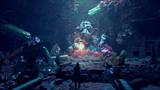


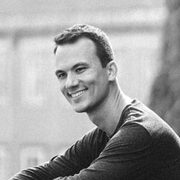





Continuing on from Cityscape Set Design, Volume 1: Modeling by Visual Development Artist Tony Ianiro, this second volume focuses on texturing, lighting, and rendering, resulting in a professional-quality Photoshop composite using your rendered outputs. This workshop draws on over twenty years of Tony’s experience and bridges traditional 2D illustration techniques with modern 3D workflows.
This comprehensive workshop begins with the transition from a grayscale 3D model to full color. Tony explores the distinctions between painting and texturing the model and educates on how to create a fully textured scene. He also instructs how to create a custom skybox using Photoshop and Materialize. From there, the tutorial moves into Maya, where Tony walks through shader creation and scene preparation for texturing.
Following a structured approach, Tony’s workshop ensures scenes are optimized for high-resolution rendering with full color, lighting, and textures using Arnold. The workshop covers complete scene texturing, lighting setup, fog integration, and camera placement within Maya. Artists will also learn how to clean and package 3D files, as well as how to render essential passes in Arnold.
To conclude the workshop, Tony demonstrates how to composite a professional Photoshop illustration. The goal with this workshop is to provide a vital resource for artists seeking to transition into 2D/3D Visual Development roles within the video game and animation industries.
Subscribers will receive exclusive access to downloadable project files, including Tony's layered Photoshop documents, rendered outputs, texture maps, and visual references used throughout the workshop.
11 Lessons
This workshop by Tony Ianiro introduces digital art production transitioning from manual, painting-intensive techniques to 3D-render-dominant workflows. This evolution reflects industry changes in which rendering engines like Arnold handle much of the work previously done in Photoshop. By teaching both approaches, Tony empowers artists to choose methods that suit their projects and available time.
Duration: 5m 30s

This lesson covers a practical, production-oriented approach to texturing that prioritizes efficiency over perfection. Tony emphasizes that visual development artists should focus on communicating ideas quickly to gain concept approval. This approach reflects modern development where evolving tools and concept art blur the line between a concept and a final render.
Duration: 37m 21s

Model preparation is a fundamental step in the 3D workflow that pays off during rendering. While separating every material change into distinct objects may seem tedious, Tony shows how this organization creates a flexible workflow for shader application and render passes. Mastering this cleanup process is an essential skill that makes the entire production pipeline more manageable.
Duration: 25m 27s

Materialize acts as a bridge between hand-painted textures and 3D rendering. Tony explains that while the initial setup involves trial and error, the process is straightforward and all settings remain adjustable once imported into Maya. The strategy of limiting enhanced maps to featured areas balances visual quality with performance.
Duration: 10m 3s

To create textures for architectural scenes, artists must balance quality with efficiency. Tony teaches how to decide between detailed multi-map texturing for hero assets and simpler techniques for background elements. Concept modeling prioritizes visual communication, allowing artists to iterate quickly while achieving render-ready results.
Duration: 36m 37s

Mastering 3D texturing requires combining technical knowledge and creative solutions. Tony shows that the result is a photorealistic rainy New York street scene that matches the original concept, achieved through a methodical application of fundamentals.
Duration: 32m 45s

In this lesson, Tony shows a professional workflow for creating atmospheric environments by combining custom Photoshop textures with Maya’s lighting systems. Tony emphasizes the importance of planning from a strong color key and building scenes with flexibility. By rendering multiple passes, artists efficiently make changes and achieve polished results through compositing.
Duration: 35m 54s

This lesson provides essential camera techniques for visual development and layout. Tony demonstrates practical applications like matching storyboard shots and presenting multiple angles to directors. Understanding camera fundamentals like perspective control and focal length is crucial for those working in concept art or background layout.
Duration: 8m 14s

Tony explores a professional compositing-based workflow where specialized render passes are combined in post-production. By creating custom passes like ambient occlusion and specular highlights, artists dramatically reduce production time. Tony demonstrates how understanding render optimization maintains creative flexibility.
Duration: 15m 6s

Proper viewport setup and file cleanup are essential professional practices. Tony shows that taking the time to organize the Outliner with clear naming conventions makes files easier for others in the pipeline to use. These cleanup steps demonstrate professionalism and consideration for the entire production process.
Duration: 8m 43s

The final lesson in this workshop demonstrates a workflow for concept artists transitioning from 2D to 3D. Tony utilizes over 20 years of experience to demonstrate an iterative, non-destructive approach of adjusting layers and working across the entire image. By letting Maya manage perspective and lighting, Tony allows the artist to focus on the creative choices in Photoshop that bring the image to life.
Duration: 47m 58s

Primary tools
For this workshop you’ll need:


* Note that these programs and materials will not be supplied with the course.
Project Files
When you download the workshop files, you'll get access to a complete 2D/3D visual development package for creating exterior cityscapes. Inside, you'll find:
- Layered PSD files (.psd) – Editable Photoshop documents including the main cityscape composition, sky, moon, street elements, and tree textures for maximum creative flexibility
- Rendered texture maps (.jpg, .png, .psd) - High-quality files of street surfaces, metallic materials, and ambient occlusion passes ready for 3D applications
- Optimized texture cache files (.tx) - Pre-processed textures in multiple color spaces (sRGB and ACEScg) for professional rendering workflows
- Color swatches & material libraries - Maya swatches and custom color palettes to maintain consistency across your cityscape project
Skills Covered
Who’s this Workshop for?
This workshop is structured for intermediate to advanced 3D artists who have completed Volume 1 or possess equivalent modeling skills. It specifically targets visual development artists, concept artists, and 3D generalists seeking to enhance their texturing, lighting, and compositing capabilities for professional production work.
Game developers, animation professionals, and freelance artists transitioning into 2D/3D hybrid workflows will find immense value in Tony Ianiro's industry-proven techniques. The workshop bridges traditional illustration with modern 3D pipelines, making it essential for artists aspiring to visual development roles in the entertainment industry.
Learning Outcomes
At the conclusion of this workshop, artists will have mastered the complete pipeline from textured 3D models to polished Photoshop composites using professional industry workflows.
Key skills include:
- How to transition grayscale 3D models to fully textured, production-ready colored scenes.
- How to create custom skyboxes using Photoshop and Materialize for enhanced environmental lighting.
- How to build and optimize Maya shaders for high-resolution Arnold rendering workflows.
- How to establish professional lighting setups with fog integration and strategic camera placement.
- How to render essential passes in Arnold and properly organize files for compositing.
- How to composite rendered 3D elements into polished Photoshop illustrations using industry techniques.


