
 Photoshop
 Maya
Maya ZBrush
 Houdini
 Substance Painter
 Blender
 Unreal Engine
 Arnold
 Nuke
Nuke KeyShot
 V-Ray
V-Ray Marmoset Toolbag
 Mari
Mari Marvelous Designer
 Substance Designer
 3ds Max
 3DCoat
 Redshift
 Faceform Wrap
 Lightroom
 After Effects
 OctaneRender
 SpeedTree
 Daz 3D
 Agisoft Metashape
 Fusion
 Modo
Modo RealityCapture
 Gaea
Gaea Cinema 4D
 Gravity Sketch
 Premiere
 Procreate
 Clip Studio Paint
 SketchUp
 SketchBook
 Katana
 Natron
 Mudbox
 Quixel Bridge
 Quixel Megascans
 Quixel Mixer
 Substance 3D Modeler
 World Creator
 Yeti
Yeti Ziva VFX
 Mixamo
 Adobe Medium
 Quixel DDO
 xNormal
 Meshmixer
 Storyboard Pro
 DaVinci Resolve
 TreeIt
 World Machine
 Gaffer
 Corel Painter
 SynthEyes
 Krita
Krita Massive
 Materialize
 Unity
Unity Ornatrix
 PreForm
 Moi 3D
 animBot
 QuickTime
 ReCap
ReCap
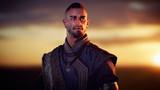
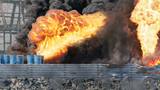
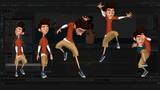







When time is of the essence, and you’re tasked with illustrating challenging scenes, there are tools and techniques that can dramatically speed up your workflow. In this 3.5-hour workshop, art director and matte painter Nick Hiatt introduces how DAZ 3D’s free models and asset libraries can be used to block out environments to quickly tell a story. Nick’s lessons talk through the process of efficiently laying out scenes in Maya, rendering in Redshift, and eventually finalizing and creating 360-degree images in Photoshop.
Using a range of 2D and 3D techniques throughout, Nick’s training covers the complete process from selecting and editing the physical attributes of DAZ’s Genesis models — including age, skin, hair, eyes, and wardrobe — and exporting assets into Maya; including cleanup, textures and materials. He reveals how to effortlessly block out scenes using simple cubes and basic models, and explains how to use environmental models and HDRIs to design light and shadow that support the narrative. The training demonstrates rendering in Redshift, as well as paint overs in Photoshop for elements such as smoke, fire and final details. The workflow culminates in a spherical 360 degree image that fully immerses the viewer in the narrative of the illustration.
In busy production environments, when you never know what you may be asked to create next, techniques such as the ones depicted in this workshop will help you quickly block out, light and paint complex environments in a short space of time.
15 Lessons
In this lesson, Nick Hiatt introduces the hybrid 3D/2D workflow that will be used to recreate a moment from ancient Greek history. He covers multiple software platforms, focusing on character design, scene composition, and paintover techniques. By the end, artists gain a clear understanding of the full pipeline for creating integrated 2D/3D concept art.
Duration: 1m 57s

In this lesson, Nick provides an introduction to Daz 3D and the power of its customizable 3D characters. When transferring these characters out of Daz, Nick encourages artists to experiment with all methods to determine which workflow best suits their project requirements, whether prioritizing rig flexibility, pose accuracy or ease of use.
Duration: 27m 20s

In this lesson, Nick shows how to gather scene elements and export them to Maya using the DAZ to Maya plugin. For quick concept work, standard materials render adequately, but detailed production work benefits from renderer-specific material conversion. Understanding rendering needs upfront helps artists to avoid unnecessary tedious work while ensuring their final output meets quality expectations.
Duration: 11m 10s

In this lesson, Nick showcases practical solutions for cleaning up Daz 3D characters. He does this by levaging Maya's superior selection and editing tools for post-export cleanup rather than perfecting everything in Daz. Using material-based selection and the attribute spreadsheet can also dramatically speed up any alterations artists may have to make when dealing with complex characters, especially when they import as hundreds of separate mesh pieces.
Duration: 13m 44s

This lesson emphasizes a production-efficient approach to 3D scene layout that prioritizes speed without sacrificing quality. Nick's use of pre-made assets, blocking scenes quickly, and considering lighting early in the process demonstrates a production workflow applicable to concept art and visualization work. His isn't concerned with perfect textures or assets, his goal is to tell the story of Perilaus and the brass bull, and all work should support that objective.
Duration: 17m 49s

In this lesson, Nick moves into early lighting experimentation before finalizing a scene. By testing different lighting angles and conditions with HDRI maps, he efficiently discovers what works aesthetically while identifying technical limitations. This approach balances creative exploration with practical considerations like file management and rendering performance, ultimately enabling the creation of multiple compelling images from a single complex scene setup.
Duration: 4m 56s

In this lesson, Nick shows how he works smart by leveraging purchased assets, establishing efficient workflows, and implementing robust file management practices. He demonstrates that successful scene creation isn't about modeling everything from scratch, but rather about strategic asset selection, proper planning and maintaining flexibility. By focusing his energy on storytelling, Nick shows how artists can achieve professional results more efficiently.
Duration: 12m 7s

In this lesson, Nick continues to work in a story-oriented manner, balancing time, budget and artistic priorities. When assets serve as environmental accents rather than story-critical elements, buying affordable pre-made models can be more cost-effective than custom creation. The trick is knowing where to invest your effort, focusing detailed work on what cameras will see, while maintaining flexibility to customize purchased assets through texture replacement and geometry modifications.
Duration: 7m 38s

In this lesson, Nick utilizes Redshift in Maya to create multiple material variations to composite in post-production. This method saves time while letting him maintain creative control across different shots and lighting conditions. This workflow demonstrates that sometimes the most efficient solution isn't perfecting materials in 3D, but creating options that can be refined during the compositing stage instead.
Duration: 12m 56s

In this lesson, Nick begins exploring paint-over effects for his scene, following a "think twice, paint once" approach. By focusing on rough effects early, he makes informed decisions about where to invest detailed painting time, enabling professional results while maximizing creative efficiency.
Duration: 25m 7s

This lesson showcases Nick's process for creating background images from 2D photographs. At this early stage, his main goal is still to create impactful imagery that reads clearly and quickly, using whatever combination of 3D assets, photography, and digital painting techniques serves the story best. He uses this exploratory phase to identify and solve compositional and contextual problems before committing to any final renders.
Duration: 19m 11s

In this lesson, Nick focuses on final background integration and detail rendering. By treating environments as supporting actors rather than the main focus, he reinforces clear storytelling hierarchy. His workflow, ranging from correcting historical inaccuracies to adding subtle skin imperfections, demonstrates how the final 10% of refinement is what elevates good digital art into truly believable, photorealistic imagery.
Duration: 22m 42s

In this lesson, Nick goes over how create 360° images within Photoshop. His workflow combines 3D rendering for accurate distortion and shadows with 2D painting techniques using curves and hue adjustments. By reusing assets from the previous scenes and leveraging 3D software's spherical camera settings, he shows artists how to create immersive 360° environments much faster than building from scratch.
Duration: 7m 19s

In this lesson, Nick continues to build on the 360° image using more detailed photo-bashing techniques. He emphasizes that attention to detail in both technical execution (matching colors and corrections across seams) and historical accuracy (removing modern elements) is essential for creating believable immersive environments. This practical workflow enables artists to make unique concept art, suitable for platforms like YouTube, ArtStation, and Facebook.
Duration: 9m 8s

In this last lesson, Nick provides essential workflow strategies for professional 360° artwork. The key insight is working from the canvas center outward and maintaining strict layer organization to preserve visual effects when creating seamless wraps. For artists working in 360° formats, understanding these technical considerations upfront prevents time-consuming corrections and ensures polished, seamless final results.
Duration: 7m 48s

Primary tools
For this workshop you’ll need:
Skills Covered
Who’s this Workshop for?
This workshop is geared toward mid-level and advanced concept artists and matte painters working in film, television, or game production environments. Artists with a basic understanding of 3D software and digital painting techniques will benefit most from Nick Hiatt's lessons.
Nick's workflow teaches efficient methods for creating complex, story-driven environments — even when time constraints demand quick turnaround without sacrificing quality. The rapid prototyping and design techniques shown can benefit many individuals, from illustrators to art directors, who need to communicate entire scenes to viewers at a glance.
Learning Outcomes
By completing this workshop, viewers will have new insight into a complete pipeline for rapidly creating immersive 360-degree environments, integrating 2D and 3D techniques.
Key skills include:
- How to customize DAZ 3D Genesis models including age, skin, hair, and wardrobe attributes.
- How to efficiently export and clean up DAZ assets for seamless integration into Maya workflows.
- How to block out complex scenes using simple geometry and basic environment models effectively.
- How to design compelling lighting and shadow using HDRIs that support narrative storytelling goals.
- How to render production-quality images in Redshift with optimized settings for matte painting workflows.
- How to execute digital paint overs in Photoshop and add atmospheric effects like smoke and fire.
- How to create full 360-degree images that showcase the full scene and story being told in it.


