
 Photoshop
 Maya
Maya ZBrush
 Houdini
 Substance Painter
 Unreal Engine
 Arnold
 Nuke
Nuke KeyShot
 V-Ray
V-Ray Marmoset Toolbag
 Mari
Mari Marvelous Designer
 Substance Designer
 3ds Max
 3DCoat
 Redshift
 Faceform Wrap
 Lightroom
 After Effects
 OctaneRender
 SpeedTree
 Daz 3D
 Agisoft Metashape
 Fusion
 Modo
Modo RealityCapture
 Gaea
Gaea Cinema 4D
 Gravity Sketch
 Premiere
 Procreate
 Clip Studio Paint
 SketchUp
 SketchBook
 Katana
 Natron
 Mudbox
 Quixel Bridge
 Quixel Megascans
 Quixel Mixer
 World Creator
 Yeti
Yeti Ziva VFX
 Mixamo
 Adobe Medium
 Quixel DDO
 xNormal
 Meshmixer
 Storyboard Pro
 DaVinci Resolve
 TreeIt
 World Machine
 Gaffer
 Corel Painter
 SynthEyes
 Krita
Krita Massive
 Materialize
 Unity
Unity Ornatrix
 PreForm
 Moi 3D
 animBot
 QuickTime
 ReCap
ReCap














Design 3D weapon game assets using Substance 3D Modeler and Blender. This 5.5-hour workshop begins with an introduction to using Substance 3D Modeler as part of a VR design workflow and continues with intermediate and advanced-level Blender techniques. Whether you’re looking to create game assets for a VR workflow, develop your Blender workflow, brush up on our hard-surface design theory, or learn concept art in general, this workshop will provide you with a great insight into designing high-quality assets for games.
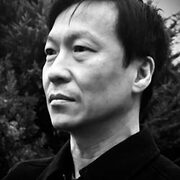
Instructor Bryant Momo Koshu begins with all the initial concept sketching using Substance 3D Modeler before moving into Blender where all the refinement of the sculpt is done. You’ll learn how to retopologize hard-surface assets in Blender, and discover Bryant’s top-rated addons for Blender for an efficient design workflow. He’ll also discuss texturing using nodes and how to animate the model, all the while discussing his industry experiences to help you understand the important theory behind his design decisions.
By completing this workshop, you will feel confident sculpting in VR and have gained various techniques to develop your Blender workflow when it comes to hard-surface design, whether specifically for weapon assets or for bigger projects. Bryant’s FBX and Blender files are included with this workshop for subscribers to download.
Bryant’s highly recommended apps to support this Blender workflow include the Hard Ops / Boxcutter Ultimate Bundle, the DecalMachine Addon, and the Calibrator by Sergey Kritskiy.
12 Lessons
In this opening lesson, Bryant (Momo) introduces his work as a concept designer in the entertainment industry and breaks down the first phase of designing a 3D weapon. He focuses on researching real-world and industry references to understand why weapons are shaped and built the way they are. While encouraging artists to push boundaries and add imaginative elements, Bryant emphasizes the importance of respecting the core principles that make each weapon type recognizable and believable.
Duration: 8m 38s

In this lesson, Bryant introduces Substance 3D Modeler and explains why it’s a powerful tool for concept artists working in VR; especially for projects that require accurate spatial relationships and scale. While the software excels at early-stage ideation and blocking, the instructor notes that as part of a larger pipeline, detailed refinement should still happen in more specialized sculpting applications.
Duration: 27m 56s

In this lesson, Bryant looks at Substance Modeler's stamp system in order to enable rapid concept development in VR through kitbashing parts. Utilizing the symmetry tools, layered workflow, and resolution controls, he emphasizes how VR sculpting offers unique advantages for concept artists, particularly speed, spatial accuracy, and intuitive controls. By mastering these fundamental tools, artists can quickly visualize complex designs and iterate efficiently within an immersive 3D environment.
Duration: 28m 59s

In this lesson, Bryant discusses concepts of design theory, the golden ratio, and intentional hierarchy within the context of hard-surface modeling. By understanding and applying these rules, following big/medium/small relationships and balancing detailed areas with breathing space, artists can create more sophisticated and visually appealing work.
Duration: 10m 10s

In this lesson, Bryant speaks on the concept of Shape Language, a fundamental design principle that leverages human psychological responses to basic geometric forms to communicate emotion, purpose, and character at a glance. The key is not to use all shapes equally, but to establish a dominant shape language while using secondary shapes as complementary accents to enhance focal points and add visual interest. Taking it a step further, thoughtful selection and prioritization of shapes using the big/medium/small hierarchy, allows designers to create compelling, emotionally resonant work with clear identity and purpose.
Duration: 18m 45s

In this lesson, Bryant moves into Blender to refine his weapon model and retopologize it according to professional hard-surface modeling standards. While retopology can be technically challenging, Bryant emphasizes that clean edges, proper topology, and a polished finish are essential for assets that will be animated, textured in detail, and rendered at high quality.
Duration: 42m 17s

In this lesson, Bryant continues retopologizing the weapon while discussing professional hard-surface design. He explains how design theory, like the golden ratio, shape language, breathing space, and line flow, works alongside technical skills to elevate a design. By examining hard-surface examples, he shows that strong fundamentals determine whether a design feels polished and professional or amateurish.
Duration: 31m 52s

In this lesson, Bryant demonstrates a practical workflow for adding technical detail to 3D models using multiple Blender add-ons and techniques. Utilizing online resources and combining various tools to achieve professional results, he shows how accessible these powerful techniques are for self-taught artists. Bryant ensures the source for each tool he uses is documented, some of which include addons like Hard Ops, Box Cutter, and Cable Creator.
Duration: 41m 31s

In this lesson, Bryant continues adding detail to his weapon, highlighting technical modeling skills, efficient workflow management, and quick 2D design tricks. While demonstrating detailed hard-surface modeling in Blender, he emphasizes that modern concept artists must adapt to different roles and know when to prioritize speed versus refinement. By combining 2D sketching for planning with 3D modeling for execution, he shows an efficient pipeline that balances creative exploration with professional deliverables, enabling artists to present concepts from multiple angles and levels of completion.
Duration: 24m 39s

In this lesson, we shift from modeling to texturing, with Bryant pushing for a professional portfolio-quality look using procedural, node-based texturing in Blender as an alternative to traditional texture painting workflows. By building reusable node systems for wear, tear and surface variation, artists can create professional-looking materials that remain editable and can be applied across multiple projects.
Duration: 43m 53s

In this lesson, Bryant shows how proper material setup, strategic use of decals, and careful mesh cleanup elevate a model from amateur to professional. Using the Decal Machine add-on, he adds unique surface details and depth that would be difficult to model directly. Combined with well-tuned geometry, these finishing touches make the weapon more impressive from multiple angles; an essential skill for portfolio-ready hard-surface design.
Duration: 37m 51s

In this final lesson, Bryant demonstrates a complete weapon animation pipeline designed to elevate an artist’s work. He shows how to use consistent timing, efficient parent-child hierarchies, and optimized render settings to create complex looping animations. While more advanced techniques exist, his approach focuses on accessibility and manageability, making it possible to produce a professional-looking animated weapon showcase within a reasonable timeframe.
Duration: 38m 34s

Primary tools
For this workshop you’ll need:


* Note that these programs and materials will not be supplied with the course.
Project Files
When you download these workshop files, you'll get access to the final minigun modeling project from Bryant with all the necessary assets and project files for you to check out, including:
- Blender project file (.blend) – The main project file containing the complete minigun model setup and scene
- Exported 3D model (.fbx ) - The exported version of the minigun, which is ready for import into other 3D programs
Skills Covered
Who’s this Workshop for?
This workshop is designed for intermediate to advanced 3D artists, game developers, and concept designers who want to expand their hard-surface modeling skills. It's particularly valuable for these professionals who want to explore VR sculpting in Substance 3D Modeler, or those simply looking to enhance their weapon asset creation skills.
The combination of VR sculpting and 3D modeling approaches Bryant showcases provides valuable pipeline considerations that’ll enhance any artist's toolkit, whether working on indie projects or AAA games. Even though the basics are skipped for some applications Bryant uses, the workshop is still highly approachable to beginners, with some modeling skills.
Learning Outcomes
By completing this workshop, artists will have mastered professional techniques for creating high-quality weapon assets using both VR and traditional 3D modeling workflows.
Key skills include:
- How to concept and sculpt weapon designs effectively using Substance 3D Modeler in VR.
- How to refine and enhance sculpted assets using advanced Blender hard-surface modeling techniques.
- How to retopologize complex hard-surface assets for optimal game-ready mesh topology and performance.
- How to integrate essential Blender add-ons like Hard Ops and DecalMachine into efficient production workflows.
- How to create professional textures and materials using Blender's node-based shader system for realistic results.
- How to animate weapon models with proper rigging and keyframe techniques for dynamic presentations.
- How to optimize 3D assets for game engines while maintaining visual quality and performance standards.


