
 Photoshop
 Houdini
 Substance Painter
 Blender
 Unreal Engine
 Nuke
Nuke KeyShot
 V-Ray
V-Ray Marmoset Toolbag
 Mari
Mari Substance Designer
 3ds Max
 3DCoat
 Redshift
 Faceform Wrap
 Lightroom
 After Effects
 OctaneRender
 SpeedTree
 Daz 3D
 Agisoft Metashape
 Fusion
 Modo
Modo RealityCapture
 Gaea
Gaea Cinema 4D
 Gravity Sketch
 Premiere
 Procreate
 Clip Studio Paint
 SketchUp
 SketchBook
 Katana
 Natron
 Mudbox
 Quixel Bridge
 Quixel Megascans
 Quixel Mixer
 Substance 3D Modeler
 World Creator
 Yeti
Yeti Ziva VFX
 Mixamo
 Adobe Medium
 Quixel DDO
 xNormal
 Meshmixer
 Storyboard Pro
 DaVinci Resolve
 TreeIt
 World Machine
 Gaffer
 Corel Painter
 SynthEyes
 Krita
Krita Massive
 Materialize
 Unity
Unity Ornatrix
 PreForm
 Moi 3D
 animBot
 QuickTime
 ReCap
ReCap












15 Lessons
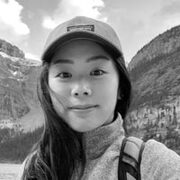
In this character modeling workshop, Krystal works by breaking complex character creation into manageable daily goals, utilizing professional resources, and maintaining strong foundational knowledge of anatomy. Krystal shows how a reliable workflow that can be repeated consistently across every task in the project is the key to success.
Duration: 6m 14s

In this lesson, Krystal shows us how to implement her custom ZBrush user interface, hotkeys, and brushes, which help her be more efficient while working in the program. She establishes that through practice and muscle memory, the artist can work fluidly while focusing on design without being restricted by the software interface.
Duration: 7m 38s

In this lesson, Krystal gets started on her character model by using a base mesh, and shows some initial steps that ensure the characters will be true to real-life scale, as well as anatomically accurate. Establishing these proportions first, as well as locking in where key boney landmarks and other important volumes need to be is important early on. Krystal works at low resolution, and addresses all areas of the model equally, including difficult areas like hands and feet, to ensure good results later on.
Duration: 25m 9s

In this lesson, Krystal continues refining her initial character sculpt, focusing on the head, as well as secondary areas like the hands and ears. She highlights the importance of skeletal structure and anatomy, showing how these foundations influence the placement and flow of forms. Through multiple refinement passes and consideration of technical pipeline requirements, the lesson demonstrates how to balance artistic development with production-ready results.
Duration: 24m 20s

In this lesson, Krystal goes over some final detailing for the body and face, still prioritizing anatomical understanding, while not simply copying reference, and ensuring that the model has the same level of finish throughout. By intentionally over-defining forms initially and then refining and dialing them back, the instructor shows how to maintain control of her anatomy. Keeping things a bit stylized, Krystal's goal is to get a good, appealing read from the character at a distance.
Duration: 8m 49s

With the character's body complete, Krystal shows us her process for getting clothing on the model, from modeling to UVs and simulation. Checking her character's scale in Maya, she moves over to Marvelous Designer, where she demonstrates some basic pattern creation and important settings for working in a production pipeline. She then manually retopologizes over the flattened Marvelous Designer patterns, giving her complete control over typology flow. The resulting meshes are optimized, have even quad distribution for cloth simulation, and have proper UVs.
Duration: 27m 39s

In this lesson, Krystal takes the clothing created in the previous lesson over to ZBrush for sculpting. By combining Marvelous Designer's realistic simulation with ZBrush's sculpting ability along with thoughtful topology management, Krystal produces production-ready clothing assets with proper thickness, and a realistic wrinkle flow. Her repeated passes over the same areas is a great approach as cloth sculpting requires great attention to detail to look convincing.
Duration: 24m 56s

In this lesson, Krystak shows her workflow for modeling props and accessories for her character, starting off in Maya. By starting with primitives, applying materials early, maintaining low resolution, and previewing to a higher level often, she quickly iterates on designs while ensuring elements fit together naturally and work topologically. Back in ZBrush, she makes more adjustments to these new elements.
Duration: 27m 41s

In this lesson, Krystal moves on to the retopology part of her workflow. Using the Quad Draw tool in Maya, she separates areas of the body mesh into simple shapes as she manually lays out and connects new geometry. Though the process involves some trial and error, the resulting mesh creates a solid foundation that serves animators and rigging artists effectively throughout production.
Duration: 26m 34s

In this lesson, Krystal sets up her UVs, keeping in mind an appropriate texture resolution that she’ll need, in addition to making some more supportive typology changes, before adding some additional elements, like fingernails. She then jumps back to ZBrush to project her highpoly mesh onto her new retopologized one, protecting critical areas with masking. With her high and low resolution meshes now unified, she shifts her attention to doing UVs for the rest of her subtools.
Duration: 11m 3s

Picking up from the last lesson, Krystal takes a look at the other elements for the character. For details like the hair, she can get away with using ZBrush’s UVmaster tool to automatically generate serviceable results, while others she does by hand before organizing her full layout. The idea is to develop a systematic approach that can be quickly repeated across multiple objects while maintaining professional standards for texture space usage and material separation.
Duration: 17m 14s

In this lesson, Krystal walks through a final detailing pass, paying close attention to the cloth and skin with the goal of creating believable implied detail rather than anything hyper real. Here Kryastal demonstrates her understanding of fabric behavior, human anatomy, and how details read from a distance. By focusing on key visual landmarks and maintaining appropriate subtlety based on gender and age, artists can make a character feel more compelling without adding any unnecessary complexity.
Duration: 10m 59s

Moving into micro details in this lesson, Krystal explains how she uses Texturing XYZ displacement maps in Mari to achieve photorealistic details in her character's face. Using layers in ZBrush, she imports the results from Mari as textures on different layers for each level of detail, allowing her to dial in how much she wants for maximum control with minimum touch up. Mastering this pipeline is useful for extreme facial close-ups in production environments.
Duration: 12m 24s

This lesson looks at the end of the pipeline where Krystal finalizes the character model, emphasizing the importance of proper displacement map baking and clean model delivery. While the core workflow focuses on essential technical requirements for production (displacement maps, proper and optimized topology, and clean file organization and naming conventions), Krystal also shows how additional look development work in Arnold can significantly enhance model presentation for client reviews or portfolio pieces.
Duration: 16m 54s

Krystal wraps up this lesson showing her final render. She also talks about setting realistic expectations and about the extensive hours of practice that are needed to enhance one's skills, while she also encourages artists to stay passionate and committed to continuous improvement. Her conclusion; technical skill, a teamwork mindset, and persistent dedication are all equally important for success in the character art industry.
Duration: 45s

Primary tools
For this workshop you’ll need:


* Note that these programs and materials will not be supplied with the course.
Project Files
By downloading these workshop files, you'll gain access to Krystal Sae Eua's complete toolset used in her character modeling project. Included with this package, you'll find:
- ZBrush tool set (.ZBP, .TXT, .cfg) – Krystal's custom user interface (UI) and hot keys, along with her unique brushes, which are used during the workshop
- 3D base mesh (.obj) - The base humanoid model that can be used for basic proportions and further examination
- Character brief (.psd) - A full creative brief discussing the character that Krystal based her project on
- Reference collection (.jpg) - The full breadth of references used for the character design in this workshop
Skills Covered
Who’s this Workshop for?
This workshop is designed for intermediate to advanced 3D artists working in film and VFX studios, particularly character modelers and texture artists. It's ideal for professionals seeking to refine their production workflows when it comes to making characters, improving skills like time management in the sometimes high-pressure studio environment.
The workshop provides valuable insights into Krystal Sae Eua’s professional character asset process, including topics like body proportions, anatomy, sculpting, and retopology. These lessons make the workshop perfect for artists wanting to get into proper character modeling or those looking to elevate their work to a portfolio-worthy, production-ready level.
Learning Outcomes
By completing this workshop, artists will have developed comprehensive skills for creating production-ready character assets using industry-standard workflows and time-management techniques.
Key skills include:
- How to implement effective time management strategies for modeling and texturing in production environments.
- How to create clean, production-ready character assets suitable for rigging and other processes down the line.
- How to apply proper body proportions and anatomy principles in character sculpting.
- How to integrate Marvelous Designer costume workflows seamlessly into Maya and ZBrush production pipelines.
- How to create efficient UV layouts optimized for high-resolution texture work and rendering.
- How to sculpt detailed skin pores and surface details using displacement texture techniques.
- How to bake and implement displacement maps from ZBrush into Arnold rendering.


