
 Photoshop
 Maya
Maya ZBrush
 Houdini
 Substance Painter
 Blender
 Unreal Engine
 Arnold
 Nuke
Nuke KeyShot
 V-Ray
V-Ray Marmoset Toolbag
 Mari
Mari Marvelous Designer
 Substance Designer
 3ds Max
 3DCoat
 Redshift
 Faceform Wrap
 Lightroom
 After Effects
 OctaneRender
 SpeedTree
 Daz 3D
 Agisoft Metashape
 Fusion
 Modo
Modo RealityCapture
 Gaea
Gaea Cinema 4D
 Gravity Sketch
 Premiere
 Procreate
 Clip Studio Paint
 SketchUp
 SketchBook
 Katana
 Natron
 Mudbox
 Quixel Bridge
 Quixel Megascans
 Quixel Mixer
 Substance 3D Modeler
 World Creator
 Yeti
Yeti Ziva VFX
 Mixamo
 Adobe Medium
 Quixel DDO
 xNormal
 Meshmixer
 Storyboard Pro
 DaVinci Resolve
 TreeIt
 World Machine
 Gaffer
 Corel Painter
 SynthEyes
 Krita
Krita Massive
 Materialize
 Unity
Unity Ornatrix
 PreForm
 Moi 3D
 animBot
 QuickTime
 ReCap
ReCap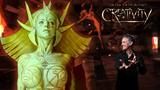














16 Lessons
In this lesson, Wendy Froud shares her process for creating a faery figure from concept to completion. The lesson begins with a guided meditation to help artists relax, focus, and connect with their creative vision before beginning the physical work. She then moves through sculpting the head, hands, and feet, explaining her approach to form, expression, and character. The process concludes with constructing the body and costuming the figure, bringing all elements together into a finished faery. This lesson emphasizes creativity, intuition, and thoughtful craftsmanship in figure making.
Duration: 1m 3s

Wendy guides artists through a structured meditation designed to relax the body, focus the mind, and open access to personal creative imagery. The meditation moves through breathing, visualization, and sensory awareness, encouraging a calm and receptive mental state. Rather than requiring specific visual imagery, the lesson emphasizes that creative perception can take many forms, including words or sensations. This lesson prepares artists to approach the sculpting process with clarity, imagination, and openness, establishing a creative foundation for the work that follows.
Duration: 22m 50s

In this lesson, Wendy demonstrates how to construct a basic armature for a small-scale female faery figure using wire, tape, and aluminum foil. She explains how to determine proportion and height, bend the wire to establish the body structure, and create a stable skeletal framework suitable for polymer clay. Best practices for working with armature wire are covered, including selecting the appropriate wire gauge, wrapping the wire with paper tape to prevent contamination and cracking during baking, and securing limbs to maintain stability. The lesson also introduces forming a compact foil core for the head to provide a firm sculpting surface and prevent distortion while modeling facial features. The result is a flexible, durable foundation that supports confident sculpting throughout the rest of the figure.
Duration: 14m 21s

In this lesson, Wendy explains how effective polymer clay sculpting combines careful technical preparation with thoughtful artistic decision-making. She emphasizes the importance of properly conditioning clay, maintaining cleanliness, and building securely over an armature to avoid structural issues. The lesson highlights how proportion, head volume, neck strength, and pose contribute to a believable and expressive figure. Even within a fantasy context, grounding a sculpt in solid anatomical principles and intentional gestures leads to more dynamic and convincing results.
Duration: 17m 16s

Wendy shares the initial stages of sculpting a faery face in polymer clay, focusing on establishing proportion and key anatomical landmarks. She demonstrates how facial guidelines are marked directly into the clay to accurately place the eyes, nose, and mouth, emphasizing that features are built into the structure rather than applied to the surface. The lesson highlights an intuitive, exploratory approach that allows personality to emerge naturally while maintaining balance and sound facial construction.
Duration: 20m 13s

Wendy continues refining the faery’s facial features with a focus on sculpting the eyes and surrounding anatomy. She demonstrates how to place the eyeballs within the sockets, build upper and lower eyelids, and adjust proportions through subtle additions and removals of clay. Emphasis is placed on working slowly at a small scale, making incremental changes, and regularly checking symmetry by viewing the sculpt from multiple angles and using a mirror. The lesson reinforces patience, observation, and precision as essential skills for achieving expressive, balanced facial features.
Duration: 18m 49s

In this lesson, Wendy moves on to sculpting the neck, shoulders, and upper torso while refining the figure’s overall pose and sense of movement. She shows how subtle adjustments to the armature and clay can transform a static figure into a more dynamic one by twisting the torso, repositioning the shoulders, and tilting the head. Anatomical landmarks such as neck tendons, shoulder structure, and upper chest mass are built up and blended to maintain believability. This lesson also introduces early considerations for costuming, showing how underlying anatomy supports garments like a corset and influences the final silhouette.
Duration: 16m 15s

Wendy now begins sculpting the ears while making minor refinements to the face profile. She demonstrates how small adjustments to the nose and ear placement can improve balance and flow in the overall design. As a fantasy character, the figure allows for flexibility in ear shape and structure, with the focus placed on creating believable internal forms rather than strict anatomical accuracy. The ears are tapered, blended smoothly into the head, and angled slightly to enhance movement and expressiveness. This lesson emphasizes subtle refinement, proportion control, and knowing when to pause work to avoid overhandling the clay before moving on to sculpting the hands.
Duration: 3m 53s

In this lesson, Wendy shares her method for sculpting hands and feet without using wire in the fingers, allowing for greater flexibility and expressiveness. She focuses on building hands from simple shapes, carefully adjusting finger placement and subtle bends to avoid stiffness and create natural gestures. The emphasis is on working slowly, making tiny adjustments, and using reference from an artist's own hands to better understand proportion and movement. Feet are approached as unified forms rather than individual toes, with attention given to arches, ankle structure, and surface detail to achieve believability.
Duration: 38m 34s

In this lesson, Wendy explains how to prepare and paint polymer clay figures using thin acrylic washes to enhance depth and realism. She begins by lightly smoothing the baked surface with acetone to remove imperfections and help the paint adhere evenly. The painting process uses acrylics heavily diluted with water, applied more like makeup than opaque paint. A neutral raw umber wash is brushed on and gently sponged off, allowing pigment to settle into creases and sculpted details to emphasize form without obscuring it. The emphasis is on working quickly, avoiding heavy buildup, and using subtle layering to bring out character and personality while keeping the surface natural and alive.
Duration: 10m 11s

Wendy reveals how to assemble and fabricate the body by adjusting proportions, reinforcing the armature, and building structure through padding and fabric. She covers refining limb length by repositioning or trimming wires, stabilizing joints with skewers, and ensuring controlled movement only where intended. The body is shaped using thin layers of polyester batting, wrapped tightly to create firm, natural volumes without excess bulk, then covered with a stretch fabric to unify the structure and prepare it for costuming. The takeaway is that careful proportion checks, structural reinforcement, and gradual buildup lead to a stable, poseable figure with a believable underlying form.
Duration: 28m 44s

This lesson focuses on designing and constructing the costume by thoughtfully selecting fabrics and hair that complement the character’s color palette and overall mood. Wendy explains how natural materials like silk and velvet enhance scale, drape, and believability, while emphasizing experimentation and allowing the character’s personality to guide design choices. Through pinning, stitching, and layering fabric directly on the figure, flowing garments are built to conceal joints and reinforce movement. Costuming emerges as an intuitive, exploratory process where fabric, color, and texture work together to complete the character and bring it fully to life.
Duration: 34m 57s

Wendy breaks down how to construct delicate faery wings using wire armatures and iridescent fabric to achieve a light, organic appearance. She emphasizes creating mirrored wing pairs, studying real butterfly wings for reference, and working patiently with glue to ensure clean attachment and smooth fabric tension. Through thoughtful layering and careful attention to how light interacts with the fabric’s surface, the wings develop a natural shimmer and structure. The lesson underscores that careful observation, symmetry, and material choice are essential to creating wings that feel believable, elegant, and integrated with the character.
Duration: 13m 16s

This lesson focuses on bringing the faery’s face to life through subtle, layered painting rather than heavy detail. Wendy emphasizes using thin acrylic washes like watercolor, building color gradually for the skin, lips, and eyes to maintain softness and realism. Careful color choices, eye direction, and pupil size are used to convey expression and personality, while restraint keeps the face natural and approachable. Facial painting is framed as an iterative process, allowing features to emerge slowly and harmonize with later elements such as hair and costume.
Duration: 11m 24s

Wendy demonstrates a natural, layered approach to applying hair directly to the sculpt rather than creating a separate wig. She works in small sections, preparing individual locks of mohair and attaching them gradually from back to front to control direction, volume, and flow. By allowing glue to partially set and carefully overlapping layers, the hairline remains clean and believable without visible structure. The key takeaway is that patience, preparation, and intentional placement result in hair that feels organic, balanced, and integrated with the character’s overall design.
Duration: 6m 24s

In this final lesson, Wendy completes the figure by assembling and attaching the wings, refining costume details, and adding final touches that bring the character to life. Adjustable wire wings are positioned and secured, seams are concealed with decorative elements, and carefully chosen accessories enhance the faery’s personality and cohesion. Subtle refinements, such as glossing the eyes for added realism, reinforce how small, thoughtful details elevate a well-crafted figure into a finished, expressive character.
Duration: 8m 39s

Skills Covered
Who’s this Workshop for?
This workshop is intended for artists interested in creating expressive, hand-crafted fantasy figures using polymer clay and mixed materials. It is well-suited for sculptors, fantasy artists, and character makers who want to explore a more intuitive, narrative-driven approach to figure creation, with an emphasis on gesture, personality, and craftsmanship.
Artists with some prior clay or sculpting experience will benefit most, though beginners with a basic understanding of materials will also find the process accessible. Puppet makers, costume designers, and fine artists working across disciplines will gain valuable insights into material selection, figure assembly, and the creative decision-making involved in building character-driven fantasy sculptures.
Learning Outcomes
By completing this workshop, artists will gain a comprehensive understanding of how to design, sculpt, and assemble a fully realized faery figure, balancing imagination with practical construction techniques.
Key skills include:
- How to use guided visualization to develop original character concepts and personalities.
- How to design and build a stable armature suited for small-scale figurative sculpture.
- How to prepare and work with polymer clay while anticipating common structural challenges.
- How to sculpt expressive heads, hands, feet, and torsos with strong gesture and proportion.
- How to add facial features efficiently using a variety of sculpting tools and methods.
- How to select and apply appropriate materials for costumes, hair, and character details.
- How to paint, assemble, and finish a figure in a way that reinforces character and narrative.
- How to design and attach wings that complement both the form and story of the figure.


