 Photoshop
 Maya
Maya ZBrush
 Houdini
 Substance Painter
 Blender
 Unreal Engine
 Arnold
 Nuke
Nuke KeyShot
 V-Ray
V-Ray Marmoset Toolbag
 Mari
Mari Marvelous Designer
 Substance Designer
 3ds Max
 3DCoat
 Redshift
 Faceform Wrap
 Lightroom
 After Effects
 OctaneRender
 SpeedTree
 Daz 3D
 Agisoft Metashape
 Fusion
 Modo
Modo RealityCapture
 Gaea
Gaea Cinema 4D
 Gravity Sketch
 Premiere
 Procreate
 Clip Studio Paint
 SketchUp
 SketchBook
 Katana
 Natron
 Mudbox
 Quixel Bridge
 Quixel Megascans
 Quixel Mixer
 Substance 3D Modeler
 World Creator
 Yeti
Yeti Ziva VFX
 Mixamo
 Adobe Medium
 Quixel DDO
 xNormal
 Meshmixer
 Storyboard Pro
 DaVinci Resolve
 TreeIt
 World Machine
 Gaffer
 Corel Painter
 SynthEyes
 Krita
Krita Massive
 Materialize
 Unity
Unity Ornatrix
 PreForm
 Moi 3D
 animBot
 QuickTime
 ReCap
ReCap




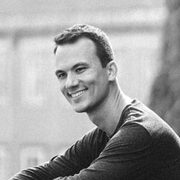
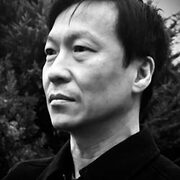






Discover how to create eyelashes, eyebrows, and coarse and fine facial hair, plus pick up tips and tricks to speed up your grooming workflow in Maya. This workshop by Crystal Bretz, Senior Character/Creature Modeler at Framestore, takes you through the process of efficiently creating a realistic male groom using XGen. The tutorial is designed for beginners to XGen but some experience of working in Maya will be expected.
All of the starter content needed to follow along with this workshop is provided, including the base head geometry and exclusive photo references. Crystal begins with the base head (supplied) and demonstrates how to use it effectively, and teaches the correct ways to set your project up and get things started using XGen. She then dives into the grooming process, covering modifiers, painting density maps in Mari, and stray hair expressions. The tutorial concludes with a section on basic procedural hair look development and rendering your groom using Arnold in Maya.
The goal of this workshop is to help you understand the complete step-by-step process of creating a male groom with XGen while giving you the tools and knowledge needed to create your own styles later with ease.
13 Lessons
Crystal begins her workshop with an introduction to her camera setup, which is fundamental to successful hair grooming in Maya with XGen. While the actual grooming work may seem like the main challenge, she explains why establishing accurate reference cameras with properly aligned image planes provides the critical visual guidance needed throughout the entire grooming process. Once cameras are correctly positioned and locked, her grooming workflow becomes significantly more straightforward, allowing artists to constantly reference multiple angles to ensure hair flow and placement match the reference imagery. Her preparation work is an investment that will pay off throughout the entire project.
Duration: 15m 53s

This introductory lesson establishes the fundamental workflow and architecture of XGen before diving into more advanced techniques. Understanding the relationship between projects, collections, descriptions, and guides is essential for successful hair and fur grooming in Maya. Crystal's emphasis on proper setup, file management, and the guide system provides a solid foundation for avoiding common pitfalls and efficiently creating digital hair grooming.
Duration: 16m 17s

Crystal teaches that proper preparation is fundamental to successful XGen grooming workflows. By creating isolated geometry sections with correct UV placement, appropriate polygon density, and careful naming conventions, artists can avoid major technical problems down the line. The master head XGen approach provides a safety net for mistakes while ensuring consistency across all hair sections, making the actual grooming process more efficient and manageable.
Duration: 14m 1s

Pre-grooming planning through description flow drawovers is an essential step that significantly improves grooming accuracy and efficiency. By thoroughly analyzing reference images from multiple angles and mapping out descriptions before starting the technical work, artists can better understand complex hair patterns, determine appropriate guide lengths and directions, and avoid becoming overwhelmed by XGen's technical challenges. Crystal's preparation is especially valuable for difficult hairstyles and ultimately leads to more successful, accurate character grooms.
Duration: 12m 26s

Crystal's preparation step is essential for an efficient hair-placement workflow in Mari. By learning how to create high-contrast reference masks from multiple photographic angles, artists can establish accurate guides for hair-density painting rather than working from scratch. While these projected masks require refinement due to variations in hair growth patterns versus visible appearance, they provide a solid foundation that significantly accelerates the texturing process for realistic character creation.
Duration: 2m 36s

This lesson provides a comprehensive foundation for creating realistic eyelashes in XGen through proper guide placement, strategic use of modifiers, and density masking. Crystal's key teaching is how realism comes from controlled randomization. Nothing in nature is perfect, so using random expressions throughout the grooming process prevents overly uniform results. She emphasizes working efficiently by understanding XGen's technical limitations (e.g., the three-clump maximum) and leveraging external tools when Maya's native features are insufficient for precision work.
Duration: 20m 34s

This comprehensive lesson demonstrates a professional approach to creating hair density masks that provides significantly cleaner and more controllable results than painting directly in Maya with P-TEX. By leveraging Mari's painting capabilities and using photographic references as projection guides, artists can learn how to achieve more realistic and refined hair distribution patterns. Crystal's non-destructive setup enables efficient iteration throughout the grooming process, making it easier to adjust hair density values without starting over.
Duration: 32m 46s

Creating realistic eyebrows in XGen requires a balanced approach between guide placement efficiency and natural asymmetry. Crystal explains why the key is to start with fewer, well-placed guides, using reference images for accurate positioning, and then gradually add detail with modifiers and additional guides only where necessary. By maintaining proper hair direction, using subtle clumping, and ensuring each eyebrow has unique characteristics, artists can achieve believable results that avoid the overly symmetrical, CG look.
Duration: 19m 29s

This lesson demonstrates that creating realistic 3D facial hair requires meticulous attention to technical detail combined with artistic grooming. Crystal shares the key to success, which lies in working efficiently through mirroring, maintaining clean texture maps by checking for hidden pixel data, and extensively using randomization to avoid the artificial uniformity that makes CG hair look fake. By combining proper guide placement, strategic modifier layering, and targeted masking, artists can achieve natural-looking beards that respond realistically to styling while maintaining control over specific areas like mustaches and sideburns.
Duration: 23m 45s

Creating realistic head hair in X-Gen is a time-intensive process that requires patience, continuous refinement, and strategic layering of guides and modifiers. The key to Crystal's success lies in building complexity gradually, maintaining even guide distribution, and frequently previewing results from multiple camera angles. While the lesson shows an accelerated version of what is actually an hours-long process, her systematic approach of establishing base guides, applying modifiers, adding detail guides, and finishing with stray hairs creates professional, controllable results that can be fine-tuned during rendering.
Duration: 31m 45s

This lesson provides a practical workflow for adding realistic baby hairs to character models by combining texture painting and procedural hair generation techniques. The key to success is understanding that baby hairs behave differently from regular hair; they're shorter and less prone to clumping, so the technical setup must reflect these natural characteristics. By leveraging presets and careful grooming with reference images, artists can learn how to efficiently create convincing baby hairs that integrate naturally with the main hairstyle while maintaining artistic control through manual guide placement and selective primitive culling.
Duration: 12m 58s

This lesson provides essential setup steps for presenting hair grooms professionally in Maya. The key is in proper organization, particularly ensuring XGen geometry is included in animation groups and that automatic preview updates are enabled, which is critical for successful rendering. By using a simplified gray shader and proper lighting, Crystal's focus remains on showcasing the hair work rather than an unfinished character model.
Duration: 8m 45s

This final lesson provides a comprehensive procedural workflow for rendering realistic hair in Maya using XGen and Arnold. Crystal discusses how the key to achieving photorealistic results lies in leveraging melanin-based coloring, strategically applying noise and randomization, and carefully balancing specular properties across different hair regions. By following her techniques — and taking iterative snapshots to compare render results — artists can learn how to efficiently develop convincing hair that accounts for natural variation in color, texture, and light interaction.
Duration: 24m 12s

Primary tools
For this workshop you’ll need:
Project Files
When you download the workshop files, you'll get access to a complete Maya-based character creation project with professional reference materials. Inside, you'll find:
- Maya project files (.ma) – The main working scenes with all your character setup and modeling work, as well as a light rig file
- 3D model assets (.fbx) - Exportable character models that can be used across different software platforms
- High-resolution reference photos (.tif) - 15 professional reference images to guide character development and ensure accurate proportions
Skills Covered
Who’s this Workshop for?
This workshop is designed for beginner XGen artists with some Maya experience who want to learn professional grooming techniques. Character artists, creature modelers, and technical artists looking to expand their skill set to include realistic hair and facial hair creation will find this particularly valuable.
Experienced Maya users transitioning into grooming work will benefit from Crystal Bretz's industry-proven workflows and time-saving techniques. Students and junior artists will gain practical knowledge of XGen's capabilities while learning efficient production methods used at top-tier studios like Framestore.
Learning Outcomes
By completing this workshop, artists will gain comprehensive knowledge of XGen's grooming workflow and practical skills for creating realistic male facial hair.
Key skills include:
- How to properly set up XGen projects and organize grooming workflows efficiently.
- How to create realistic eyelashes, eyebrows, and various facial hair textures using XGen.
- How to utilize modifiers effectively to control hair behavior and natural variation.
- How to paint density maps in Mari for precise hair placement control.
- How to implement stray hair expressions for added realism and natural appearance.
- How to develop procedural hair looks using XGen's advanced shader systems.
- How to render groomed characters using Arnold within Maya for final output.