
 Blender
 Arnold
 KeyShot
 V-Ray
V-Ray Marmoset Toolbag
 Mari
Mari Marvelous Designer
 Substance Designer
 3ds Max
 3DCoat
 Redshift
 Faceform Wrap
 Lightroom
 After Effects
 OctaneRender
 Daz 3D
 Agisoft Metashape
 Fusion
 Modo
Modo RealityCapture
 Cinema 4D
 Gravity Sketch
 Premiere
 Procreate
 Clip Studio Paint
 SketchUp
 SketchBook
 Katana
 Natron
 Mudbox
 Quixel Bridge
 Quixel Megascans
 Quixel Mixer
 Substance 3D Modeler
 World Creator
 Yeti
Yeti Ziva VFX
 Mixamo
 Adobe Medium
 Quixel DDO
 xNormal
 Meshmixer
 Storyboard Pro
 DaVinci Resolve
 TreeIt
 World Machine
 Gaffer
 Corel Painter
 SynthEyes
 Krita
Krita Massive
 Materialize
 Unity
Unity Ornatrix
 PreForm
 Moi 3D
 animBot
 QuickTime
 ReCap
ReCap
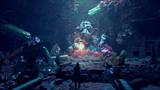


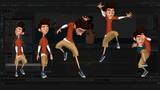





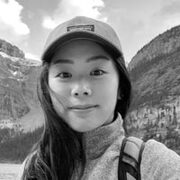



Explore the complete workflow for creating a cinematic environment in this comprehensive workshop by Senior Environment Generalist Jianfeng Li (Allan). This in-depth tutorial details everything from gathering references and crafting concept sketches to bringing to life a grand-scale environment in Unreal Engine.
This workshop is tailored for intermediate-to-advanced artists with a basic understanding of various tools such as Maya, Houdini, Gaea, SpeedTree, Substance Painter, ZBrush, Unreal Engine, Photoshop, and Nuke. While the tutorial aims to provide a complete overview of asset creation and environment finishing, some details won't be shown step by step; therefore, having a foundational grasp of the tools used in the workshop is recommended.
Throughout the workshop, you'll acquire invaluable insights into the art of CG environment creation through asset making, scene assembling, basic matte-painting techniques, and compositing your final cinematic animation.
A highlight of this workshop is the introduction of insights and approaches as a VFX artist, which Allan skillfully incorporates into his process of creating cinematic animations within the game engine. By completing the workshop, you'll be equipped to craft more immersive and photorealistic environments in Unreal Engine, setting you up for success in future projects.
Throughout this workshop, Allan uses assets and plugins from PolyHaven, the Greeble Generator from SideFX, Psyop’s Cryptomatte tool from GitHub, plus assets from Mixamo.
19 Lessons
Jianfeng Li (Allan)'s introductory lesson emphasizes that successful 3D environment creation begins with solid pre-production work. The iterative nature of gathering references, refining ideas, and creating concept sketches establishes a clear vision before investing time in 3D modeling and texturing. By creating even a rough concept sketch with proper atmospheric perspective and value control, artists can learn how to communicate their vision effectively and use it as a roadmap for the following 3D blockout and production phases. This thorough planning and reference gathering at the beginning will save time and lead to stronger final results.
Duration: 33m 44s

This blocking lesson establishes the foundation for a complex 3D environment by focusing on scale, composition, and organization rather than detail. Allan explains why blocking should remain rough and flexible, since everything will change during production. By creating an animated camera early and maintaining clear naming conventions, he sets up an efficient workflow for the asset creation and look development phases that follow. It's important to learn how to establish the big picture first (scale, composition, and structure) before investing time in detailed modeling.
Duration: 33m 13s

This lesson demonstrates a professional workflow for organizing complex 3D projects and preparing terrain assets across multiple software packages. Allan explains that proper preparation, including organized folder structures, correctly positioned geometry with zeroed transforms, and appropriate format conversions, saves significant time and frustration later in the pipeline. By methodically converting 3D blockout geometry into 2D heightmaps through Houdini, the assets will be ready for further terrain generation and erosion work in Gaia.
Duration: 24m 24s

This lesson provides a comprehensive terrain development pipeline in Gaia, emphasizing the balance between maintaining original blockout shapes and adding realistic natural details. Allan demonstrates how to build a reusable node network that can efficiently process multiple terrain pieces, though unique terrain features may require custom setups. His workflow prepares terrains for final rendering by exporting all necessary maps that will be used for further look development in other 3D applications, such as Clarisse.
Duration: 26m 54s

This lesson demonstrates professional terrain asset creation that balances visual quality with performance optimization. By generating multiple LOD versions and strategically reducing geometry in unseen areas, Allan creates production-ready terrain suitable for large-scale environments. His systematic approach of working between Gaia for terrain generation and Houdini for procedural mesh optimization, combined with proper file organization, represents industry-standard practices for environment art pipelines. This lesson sets the foundation for the next phase: creating vegetation assets with SpeedTree.
Duration: 26m 46s

This lesson provides a practical workflow for creating performant vegetation assets that balance visual quality with technical requirements. By leveraging Megascan's texture library and SpeedTree's procedural generation capabilities, artists can create optimized trees with 90% fewer polygons than default high-poly templates while maintaining professional results. Allan's emphasis on organization, optimization, and variation generation ensures these assets will perform well in the final game or cinematic environments containing numerous vegetation instances.
Duration: 41m 39s

This comprehensive lesson emphasizes that effective architectural modeling relies on understanding the fundamental characteristics of the design style. In this case, it’s brutalism's simple yet detailed nature. Allan demonstrates that professional 3D environment creation requires not just modeling skills, but also proper technical preparation, including asset organization, material assignment, and UV management. By maintaining consistent workflows and naming conventions across all assets, artists can learn how to create cohesive environments that are both visually striking and technically sound for implementation in game engines.
Duration: 35m 58s

This lesson demonstrates an efficient pipeline for creating complex architectural assets by combining traditional box modeling in Maya with procedural detailing in Houdini. The Greeble Generator tool significantly accelerates the creation of intricate sci-fi surface details that would be extremely time-consuming to model manually. Proper attention to scale differences between software packages, UV mapping, and attribute cleanup ensures the final asset is production-ready and compatible with world-space procedural materials in Unreal Engine.
Duration: 32m 56s

This lesson demonstrates a practical, efficiency-focused workflow for creating game-ready assets where visual impact matters more than technical perfection. By combining Maya's precision modeling with ZBrush's intuitive sculpting and understanding how to properly bake and transfer animations between software packages, Allan teaches how to create assets optimized for their final use case without over-investing time in details that won't be visible in the final shot.
Duration: 24m 3s

This comprehensive lesson establishes the foundational workflow for asset management in Unreal Engine, emphasizing proper organization and technical setup from the start. Detailed troubleshooting of Nanite-vegetation compatibility issues provides practical solutions to common problems developers encounter. By following these systematic approaches to material configuration and texture adjustment, artists can learn how to ensure their assets function correctly while maintaining visual quality and performance optimization throughout their projects.
Duration: 22m 13s

This lesson establishes a robust foundation for procedural terrain texturing in Unreal Engine by creating reusable, parameter-driven material templates. Allan's template-based approach allows artists to efficiently create variations across multiple assets while maintaining full control over blending behavior through both texture maps and procedural noise. This flexible system enables non-destructive adjustments and can be easily adapted for different terrain types and environmental conditions.
Duration: 22m 48s

This procedural material system provides a powerful, reusable workflow for terrain texturing that balances visual complexity with technical efficiency. By investing time upfront to create a comprehensive material template with extensive parameter controls, artists can learn how to rapidly create varied, natural-looking terrain materials across multiple assets. Allan shares insight into how, once the template is properly configured with texture variation, layering capabilities, and adjustable parameters, the actual look development process becomes a matter of layer stacking and parameter tweaking rather than rebuilding materials from scratch for each asset.
Duration: 36m 42s

This comprehensive texturing lesson demonstrates the importance of differentiating between prominent and background assets, applying appropriate levels of detail to each. The key technical lesson is understanding the complete pipeline from Substance Painter's layered texturing approach through to proper material setup in Unreal Engine, with special attention to color space settings that can make or break material appearance. By maintaining stylistic consistency and scaling details appropriately, artists can learn how to create believable, cohesive game environments where hero assets receive the detailed attention they deserve while optimizing workflow efficiency for supporting elements.
Duration: 36m 5s

This lesson provides an efficient workflow for texturing architectural environments by combining simple material assignments with sophisticated procedural world-aligned textures. Allan's world-aligned approach is particularly valuable for modular construction elements, allowing artists to reuse objects while maintaining visual variety and avoiding repetitive patterns. His technique significantly reduces production time while maintaining professional quality in environment creation.
Duration: 22m 11s

This lesson emphasizes that building cinematic environments is fundamentally creative and results-driven, prioritizing visual composition over logical spatial design. Allan's key workflow involves importing reference layouts, matching camera animation, rebuilding the environment with attention to how elements appear through the camera, and enhancing the scene with lighting and atmospheric effects. He demonstrates that, while matching the original layout is important, the ultimate goal is to achieve a visually compelling final image rather than perfect accuracy.
Duration: 17m 38s

While the PCG tool offers powerful procedural generation capabilities for creating forests and vegetation systems in Unreal Engine, it currently has limitations when working with static mesh terrains. The traditional Foliage Mode remains the more practical and reliable choice for detailed environmental set dressing, especially in large-scale projects with imported geometry. The key to successful vegetation placement with either method is to maintain camera-focused optimization and carefully monitor GPU resources to ensure optimal performance.
Duration: 36m 14s

This lesson establishes a complete pipeline from character animation to final cinematic rendering in Unreal Engine 5. While the initial render produces good results, Allan identifies areas requiring matte painting and compositing, including terrain gaps from culling issues, flat sky details, and monochromatic ground textures. He demonstrates that even with advanced real-time rendering, professional results still benefit from traditional post-production techniques to achieve polished, cinematic-quality output.
Duration: 24m 4s

This lesson demonstrates a professional compositing pipeline that transforms a basic 3D render into a polished final shot. Allan emphasizes the importance of working in layers with separate control over elements, such as sky, atmosphere, and additional details, rather than rendering everything together. By combining technical skills in Nuke with creative problem-solving, from atmospheric grading to integrating live-action bird elements, this lesson shows how compositing provides flexibility to adjust and enhance shots after the initial render, ultimately delivering greater creative control over the final image.
Duration: 36m 4s

This final lesson demonstrates that creating large-scale CG environments requires both technical proficiency across multiple software packages and strong artistic fundamentals. Allan explains why environment artists must be resourceful problem-solvers willing to use "cheating" techniques when necessary to achieve the desired result. While matte painting and projection techniques can effectively address rendering challenges, success ultimately depends on traditional art knowledge rather than software skills alone, underscoring the importance of continuous learning for environment artists.
Duration: 26m 45s

Primary tools
For this workshop you’ll need:


* Note that these programs and materials will not be supplied with the course.
Skills Covered
Who’s this Workshop for?
This workshop is designed for artists looking to build large-scale cinematic environments using a modern real-time pipeline. It is ideal for intermediate to advanced environment artists with foundational 3D skills who want to strengthen their ability to move from early concept to final scene presentation in Unreal Engine. Artists working in games, film, or high-end visualization will find Jianfeng Li's production-focused workflow especially valuable.
Technical artists, lighting specialists, and generalists expanding into environment creation will benefit from the focus on asset development, scene assembly, and visual cohesion. The workshop guides artists in creating immersive worlds while understanding how multiple tools contribute to a unified final result.
Learning Outcomes
On completing this workshop, artists will have mastered the complete pipeline for creating photorealistic cinematic environments using industry-standard tools and professional workflows.
Key skills include:
- How to gather effective references and develop compelling concept sketches for environment projects.
- How to create high-quality environment assets using Maya, Houdini, ZBrush, and Substance Painter.
- How to assemble and optimize complex scenes within Unreal Engine for cinematic presentations.
- How to integrate basic matte-painting techniques to enhance environmental storytelling and atmosphere.
- How to apply VFX artist approaches and methodologies to game engine environment creation.
- How to composite and finalize cinematic animations using professional post-production workflows.
- How to utilize third-party assets and plugins effectively while maintaining production quality standards.


