 Maya
Maya ZBrush
 Houdini
 Arnold
 Nuke
Nuke KeyShot
 V-Ray
V-Ray Marmoset Toolbag
 Mari
Mari Marvelous Designer
 Substance Designer
 3ds Max
 3DCoat
 Redshift
 Faceform Wrap
 Lightroom
 After Effects
 OctaneRender
 SpeedTree
 Daz 3D
 Agisoft Metashape
 Fusion
 Modo
Modo RealityCapture
 Gaea
Gaea Cinema 4D
 Gravity Sketch
 Premiere
 Procreate
 Clip Studio Paint
 SketchUp
 SketchBook
 Katana
 Natron
 Mudbox
 Quixel Bridge
 Quixel Megascans
 Quixel Mixer
 Substance 3D Modeler
 World Creator
 Yeti
Yeti Ziva VFX
 Mixamo
 Adobe Medium
 Quixel DDO
 xNormal
 Meshmixer
 Storyboard Pro
 DaVinci Resolve
 TreeIt
 World Machine
 Gaffer
 Corel Painter
 SynthEyes
 Krita
Krita Massive
 Materialize
 Unity
Unity Ornatrix
 PreForm
 Moi 3D
 animBot
 QuickTime
 ReCap
ReCap








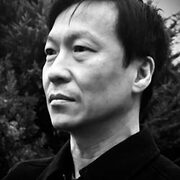








In this 3.5-hour workshop, Dominique Buttiens teaches modern texturing techniques inside Unreal Engine 5 and demonstrates how to create shaders with speed, quality, and efficiency. This workshop details the entire creation process of a sci-fi hallway, including the initial concepting and modeling in Blender, all the way through to the final lighting setup and visual development stages.
Dominique, a Principal Environment Artist, breaks down his AAA industry-level thought processes for texturing pipelines and instructs on how you can set up your own workflow for both solo and team projects. His workshop is aimed at artists with a basic understanding of modeling, texturing, and Unreal Engine. Dominique offers best practices for industry artists and tech artists alike and provides useful tips and workflows for indie teams, solo projects, and hobbyists.
The software used for this project includes Unreal Engine 5, Blender, and Substance Painter; however, the skills and knowledge are transferable to other tools and game engines. While Dominique’s Texturing Pipeline Practices are demonstrated using the example of a sci-fi hallway, the ultimate goal is for the techniques to be applied to any project of your choosing.
9 Lessons
In this introductory lesson, Dominique Buttiens provides a comprehensive overview of a professional texturing pipeline, using a pre-made sci-fi hallway as a practical example. These industry-standard workflows can be translated to different software, tools, and project scales. .
Duration: 1m 38s

This lesson introduces a modern mask-based texturing workflow. This workflow prioritizes consistency, resolution, speed, and performance over a traditional per-asset approach. By investing time to build a master material library, teams and individual artists can dramatically accelerate production while maintaining visual consistency. This approach allows artists to focus on creating assets rather than repeatedly solving texturing challenges, as well as making project-wide changes instantaneously.
Duration: 25m 13s

This lesson demonstrates how a mask-based workflow provides a more efficient process than traditional atlas texturing. By assigning different materials through the use of masks, artists can create textures faster, make changes in real time without reopening the source files, and achieve a higher visual quality.
Duration: 31m 9s

In this lesson, Dominique presents two workflows that can be used inside Unreal Engine. Starting with Workflow 1 then transitioning to Workflow 2 provides more flexibility in production. Using the Material Layer asset makes library creation easier, provides better scalability, and offers more creative freedom, while maintaining consistency. Ultimately, the choice depends on team size, desired control levels, and workflow preferences.
Duration: 44m 17s

This lesson briefly touches on an efficient approach to poly-modeling sci-fi environments. Through the use of non-destructive modeling techniques, strategic reuse of detailed elements, and thoughtful planning, complex-looking assets breathe life into the scene. The key is to create interesting shapes and silhouettes first, taking advantage of modifiers and simple geometry, then committing to the final technical requirements (clean topology, proper UVs) once the design has been resolved.
Duration: 24m 43s

In this lesson, Dominque emphasizes the importance of prioritizing technical organization before artistic refinement early in the texturing process. By establishing smart materials in Substance 3D Painter and a properly laid-out material system in Unreal Engine early, artists can make modifications quickly and easily throughout the project. This methodology is particularly well-suited for team environments where consistency and efficiency are essential.
Duration: 12m 21s

This lesson demonstrates that the most crucial steps that elevate an environment from flat and boring to cinematic and engaging are lighting and post-processing. Having a good understanding of both technical aspects and artistic principles enables artists to craft compelling visual narratives. Whether creating still renders or interactive game environments, investing time in proper lighting setup and post-processing effects has a substantial impact on the quality of the final presentation.
Duration: 40m 46s

This lesson emphasizes how refining the scene in the final stages of environment creation is important to its aesthetic, and its ability to convey a story. Small touches, from fixing texture masks to placing industrial decals, can significantly enhance the visual appeal and narrative. One main takeaway is being aware of balance. When adding visual interest, avoid over-decoration. In addition, using efficient, optimization-friendly techniques allows for easy iteration and adjustments throughout the project.
Duration: 24m 19s

Dominique concludes his workshop by discussing how, by implementing his modern mask-based texturing workflow, artists can learn how to create high-quality assets while maintaining optimal computational performance. Although this workflow provides a flexible foundation for your own projects, Dominique explains why it is important to experiment, and even combine different workflows, in order to create compelling game environments.
Duration: 2m 59s

Primary tools
For this workshop you’ll need:


* Note that these programs and materials will not be supplied with the course.
Skills Covered
Who’s this Workshop for?
This workshop is designed for intermediate 3D artists, environment artists, generalists, and technical artists who have basic knowledge of modeling, texturing, and Unreal Engine. It's perfect for professionals seeking to elevate their texturing workflows to AAA industry standards.
Solo developers, indie team members, and hobbyists will also benefit significantly from Dominique Buttiens's pipeline techniques. Whether working on personal projects or collaborative productions, artists will gain insight into professional-grade texturing practices that enhance both speed and quality.
Learning Outcomes
By completing this workshop, artists will have mastered modern texturing pipelines and shader creation techniques essential for producing AAA-quality environments in Unreal Engine 5.
Key skills include:
- How to establish efficient texturing pipelines for both solo and collaborative project workflows.
- How to create high-quality shaders with speed and efficiency in Unreal Engine.
- How to integrate Blender modeling workflows with Unreal Engine.
- How to implement industry-standard visual development practices from concept to final lighting setup.
- How to optimize Substance Painter workflows for maximum productivity and consistent results.
- How to apply professional environment art techniques to any sci-fi or modern project.