
 Photoshop
 Maya
Maya ZBrush
 Houdini
 Substance Painter
 Blender
 Unreal Engine
 Arnold
 Nuke
Nuke KeyShot
 V-Ray
V-Ray Marmoset Toolbag
 Mari
Mari Marvelous Designer
 Substance Designer
 3ds Max
 3DCoat
 Redshift
 Faceform Wrap
 Lightroom
 After Effects
 OctaneRender
 SpeedTree
 Daz 3D
 Agisoft Metashape
 Fusion
 Modo
Modo RealityCapture
 Gaea
Gaea Cinema 4D
 Gravity Sketch
 Premiere
 Procreate
 Clip Studio Paint
 SketchUp
 SketchBook
 Katana
 Natron
 Mudbox
 Quixel Bridge
 Quixel Megascans
 Quixel Mixer
 Substance 3D Modeler
 World Creator
 Yeti
Yeti Ziva VFX
 Mixamo
 Adobe Medium
 Quixel DDO
 xNormal
 Meshmixer
 Storyboard Pro
 DaVinci Resolve
 TreeIt
 World Machine
 Gaffer
 Corel Painter
 SynthEyes
 Krita
Krita Massive
 Materialize
 Unity
Unity Ornatrix
 PreForm
 Moi 3D
 animBot
 QuickTime
 ReCap
ReCap



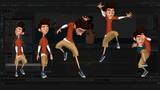





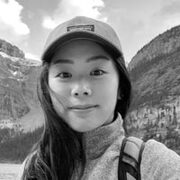



Creating a hair groom can be simple with the right workflow. Lead Groom TD, Bhavika Bajpai, shares her professional workflow for creating a stylized groom using proxy tube geometry with XGen, Maya’s interactive grooming tool, to create hairstyles quickly and efficiently.
In this 3-hour workshop, Bhavika runs through a complete workflow, beginning with analyzing photographic references and explaining how to plan out the structure of a groom, and covering all the basics of XGen in Maya using a sphere example to get you started. The XGen interface is discussed in detail along with how to create and move guides, how to set up clumps and cutoffs, as well as what the basic XGen expressions are.
The next phase of the workshop is a compare and contrast demonstration, to highlight the main features of a tube-grooming process versus the traditional guide-groom process, and show just how effective it is for creating efficient stylized hairstyles, whether you’re working with characters or creatures.
With all the foundations covered, Bhavika showcases how to apply the knowledge and techniques to a simple character model, with the process explained in a way that can be applied to any 3D model. You’ll see how to set up the tubes, how to ingest them into XGen, and then take a look at the XGen modifiers and maps that are needed to create the final hairstyle.
With everything in place, she moves on to setting up the basic shaders in Arnold, detailing how the aiStandardHair shader works and what the various parameters do. As the final step, she’ll demonstrate how to set up the lights and camera in a simple scene for a final render.
12 Lessons
Bhavika introduces her workshop, which offers a comprehensive workflow for creating stylized hair in XGen, taking artists from initial planning through to the final render. Her structured approach of starting with basics, practicing on simple geometry, then moving to character application, ensures artists build skills progressively before tackling the complete grooming and rendering pipeline.
Duration: 39s

Proper planning and reference analysis are fundamental to creating convincing stylized hair grooms. By creating a detailed style sheet that breaks down layering structure, clumping hierarchy, noise patterns, and color information, artists can approach complex grooming tasks with a clear technical roadmap. Bhavika's preparatory work ensures that artistic references, which may be visually appealing but technically ambiguous, can be successfully translated into a structured 3D workflow.
Duration: 3m 56s

This lesson establishes the foundational workflow for XGen grooming, emphasizing that success depends heavily on proper technical setup before creative work begins. Bhavika demonstrates that realistic hair grooms are achieved through layering multiple modifiers rather than relying on a single parameter. By understanding how these modifiers work together and using expressions to introduce controlled randomness, artists can create natural-looking hair that avoids the artificial uniformity common in digital grooms.
Duration: 41m 46s

The tube workflow demonstrated in this lesson offers a more structured, top-down approach to grooming that emphasizes planning overall shapes before detailing, resulting in cleaner, more manageable groom setups. While the standard guide workflow provides direct control over individual strands, the tube method's automatic guide generation and curve-based editing make it particularly valuable for complex grooms requiring simulation work.
Duration: 7m 47s

This lesson continues with the tube workflow, which is particularly effective for stylized hair because it forces artists to think about larger hair shapes first before refining details. By positioning tubes to define hair volume, artists can quickly generate clean, organized guides in XGen that can still be manipulated using standard grooming techniques. Bhavika's approach combines the efficiency of volume-based design with the flexibility of guide-based refinement, making it ideal for creating structured hairstyles like mohawks.
Duration: 23m 37s

This lesson establishes a comprehensive tube-based workflow for creating stylized hair in Maya using XGen. Bhavika's method provides excellent control over large shapes and volumes, making it particularly suitable for stylized characters where artistic direction and clean silhouettes are paramount. While the process requires patience and constant refinement from multiple angles, the ability to maintain editability throughout — and keep control over major hair masses — makes this approach highly effective for achieving polished, art-directed hairstyles. Bhavika will continue building out the remaining sections of the hairstyle in the following lessons before moving into detailed parameter refinement.
Duration: 42m 45s

This lesson illustrates an important phase in the 3D hair creation workflow where initial structural setup meets quality evaluation. Bhavika demonstrates a professional iterative approach, emphasizing that achieving realistic hair requires multiple passes of adjustment between different tools and systems. The next phase will shift focus to refining the existing guides through XGen's modifier system before making final structural adjustments to the tube setup.
Duration: 31m 54s

This lesson emphasizes that successful hair grooming requires a systematic, layered approach with constant evaluation of each modifier's contribution. Bhavika’s philosophy of making bold changes first, then pulling back to find the right balance, has proven to be more efficient than incremental adjustments. By combining technical precision (expressions, region maps) with artistic judgment (knowing when an effect improves versus just changes the look), artists can create realistic hair that balances technical control with natural variation and organic movement.
Duration: 18m 7s

This lesson illustrates that professional 3D hair grooming is an iterative, detail-oriented process requiring constant refinement. Bhavika emphasizes that many issues only become apparent once the groom is applied, necessitating a cyclical workflow of adjusting tubes, updating clumping, repainting maps, and evaluating results. She explains that achieving a polished, stylized hair groom requires patience and a willingness to revisit and refine multiple aspects of the setup repeatedly.
Duration: 16m 6s

Understanding the AI Standard Hair shader's parameters is essential for creating both realistic and stylized hair in Arnold. For realistic hair, maintaining physically-based values with melanin control and standard IOR settings is important. For colored or stylized hair, Bhavika's approach shifts to using base color control with melanin set to zero, slightly lowered IOR values, and the addition of specular tint to achieve the desired aesthetic while maintaining visual appeal.
Duration: 5m 25s

This lesson demonstrates that achieving realistic, stylized hair requires careful balancing of shader parameters and render settings. Bhavika's key takeaway is that darker, less saturated colors with appropriate specular tinting produce more convincing results than overly bright colors, which tend to look synthetic or plastic. Proper sampling settings, particularly for specular values, are essential for capturing the complex light interactions between hair strands that give the final render a sense of both stylization and believability.
Duration: 9m 39s

Bhavika summarizes how her workshop provides a comprehensive workflow for creating stylized 3D hair, emphasizing the tube geometry method as the primary technique. Artists will learn both the technical requirements for proper geometry setup and the artistic aspects of shading and rendering to achieve professional-looking colored hairstyles.
Duration: 1m 4s

Primary tools
For this workshop you’ll need:
Project Files
When you download the project file provided with this workshop, you'll get access to:
- Script file – A file containing the script for the tube grooming process showcased in the workshop
Skills Covered
Who’s this Workshop for?
This workshop is designed for intermediate 3D artists, grooming TDs, and character artists with basic Maya knowledge who want to master professional hair grooming techniques. It's perfect for those looking to streamline their grooming workflow using XGen's advanced features.
Junior artists and seasoned professionals working in animation, VFX, or game development will benefit significantly from learning this efficient tube-based approach. The techniques taught provide faster iteration times and more stylized control, making it invaluable for production environments.
Learning Outcomes
By completing this workshop, artists will develop a comprehensive understanding of professional hair-grooming workflows using XGen's tube-geometry approach for efficient stylized character creation.
Key skills include:
- How to analyze photographic references and plan the structural foundation of hair grooms.
- How to navigate XGen's interface and utilize guides, clumps, and cutoffs for basic grooming.
- How to compare tube-grooming processes versus traditional guide-groom workflows for optimal efficiency.
- How to set up proxy tube geometry and ingest it into XGen for character models.
- How to apply XGen modifiers and maps to achieve professional-quality stylized hairstyles.
- How to configure aiStandardHair shaders in Arnold with proper parameter settings for realistic rendering.
- How to establish lighting and camera setups for the final hair groom presentation and rendering


