
 Photoshop
 Maya
Maya ZBrush
 Substance Painter
 Blender
 Arnold
 Nuke
Nuke KeyShot
 V-Ray
V-Ray Marmoset Toolbag
 Mari
Mari Marvelous Designer
 3ds Max
 3DCoat
 Redshift
 Faceform Wrap
 Lightroom
 After Effects
 OctaneRender
 SpeedTree
 Daz 3D
 Agisoft Metashape
 Fusion
 Modo
Modo RealityCapture
 Gaea
Gaea Cinema 4D
 Gravity Sketch
 Premiere
 Procreate
 Clip Studio Paint
 SketchUp
 SketchBook
 Katana
 Natron
 Mudbox
 Quixel Bridge
 Quixel Megascans
 Quixel Mixer
 Substance 3D Modeler
 World Creator
 Yeti
Yeti Ziva VFX
 Mixamo
 Adobe Medium
 Quixel DDO
 xNormal
 Meshmixer
 Storyboard Pro
 DaVinci Resolve
 TreeIt
 World Machine
 Gaffer
 Corel Painter
 SynthEyes
 Krita
Krita Massive
 Materialize
 Unity
Unity Ornatrix
 PreForm
 Moi 3D
 animBot
 QuickTime
 ReCap
ReCap
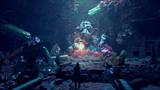


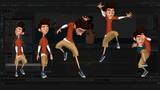










Discover how to create visual effects for games using the most up-to-date techniques in Unreal Engine 5 with Senior VFX Artist at People Can Fly, Pawel Margacz. Learn Pawel’s complete workflow for creating magical spell FX for UE5 from scratch: Using meshes from Houdini and textures in Substance Designer, Pawel assembles a magical projectile in Niagara, demonstrating how to match character and effects animations to create a dynamic, game-ready attack in Unreal 5.
This 4.5-hour workshop is ideal for anyone interested in learning more about creating VFX using Unreal Engine, Houdini, and Substance Designer. It is also an excellent guide for technical artists looking to gain more insight into VFX implementation using blueprints, including how to create and set up Unreal scenes with characters. In addition, Pawel dives deep into Substance Designer's and Niagara's nodes to build up layers of easily-adjustable effects animations. He shares how to work with panning textures with UV distortion techniques, as well as how to use tileable noise textures. He also details the timing and matching of effects with character animations.
This workshop provides Pawel’s textures and 3D mesh files as a downloadable resource.
15 Lessons
Pawel Margacz introduces his comprehensive workshop, which offers practical, hands-on instruction in game VFX creation from an experienced industry professional. By covering everything from scene setup to particle systems and blueprint integration, he provides viewers with a complete pipeline for creating professional-quality visual effects. His from-scratch approach makes it accessible for artists while demonstrating real-world techniques used in AAA game development.
Duration: 1m 7s

This introductory lesson establishes a professional workflow for VFX artists, emphasizing the importance of curating references and setting up projects properly. Pawel's approach of limiting references to avoid confusion — while focusing on movement principles rather than visual copying — demonstrates industry best practices. By outlining specific asset requirements and encouraging the pre-loading of resources, his lesson provides an efficient learning experience for creating a game-ready magical projectile effect inspired by AAA titles.
Duration: 7m 43s

This lesson provides a practical workflow for scene construction in Unreal Engine, emphasizing organization through filters and folders, precision through numerical transforms, and efficiency through duplication and mirroring techniques. Pawel sets up a combat arena environment that will serve as the foundation for future work on character animation, collision detection, projectile systems, and lighting refinement. His methodical approach demonstrates professional-level scene assembly techniques applicable to game development projects.
Duration: 11m 8s

This lesson establishes the foundational mechanics for a character combat system in Unreal Engine using Blueprints. By combining animation montages, input management, and collision detection via component tags, Pawel creates a functional attack system that allows players to cast projectiles that interact with enemy characters. Using debug visuals, this framework provides a solid base for adding polished particle effects, lighting, and additional blueprint functionality in the following lessons.
Duration: 26m 10s

This lesson provides a comprehensive walkthrough of lighting setup for creating atmospheric, moody scenes in a 3D environment. Pawel emphasizes the importance of balancing multiple light sources, fog effects, and post-processing to achieve a cohesive look while encouraging viewers to experiment with their own values. The next lesson will transition to working in Houdini to create the necessary meshes for the project.
Duration: 8m 52s

This lesson provides a practical workflow for creating optimized game-ready 3D assets in Houdini, emphasizing techniques that reduce memory overhead while maintaining visual quality. The procedural nature of Pawel's setup allows for easy iteration and experimentation with different mesh parameters. The next steps involve creating textures in Substance and importing all assets into Unreal Engine with proper import settings, particularly for vertex color data.
Duration: 18m 1s

This lesson provides a comprehensive workflow for creating procedural game textures in Substance Designer, emphasizing practical techniques for VFX artists. By learning how to create custom noise and texture patterns rather than relying solely on pre-made packs, artists can develop a deeper understanding of how textures function in real-time engines. Pawel's approach of packing multiple variations into RGB channels and ensuring tileability demonstrates professional optimization practices essential for game development.
Duration: 17m 54s

This lesson provides a comprehensive foundation for creating flexible, animated VFX materials in Unreal Engine. By building a parameter-rich master material with separate controls for erosion, color, texture animation, noise distortion, and vertex offset, artists can learn how to create numerous unique projectile effects from a single material setup. Pawel's workflow emphasizes proper parameter organization and material preparation for integration with Niagara systems, enabling dynamic, real-time control over visual effects during gameplay.
Duration: 29m 26s

This comprehensive material setup creates a flexible foundation for designing projectile effects in Niagara. By building materials with multiple controllable parameters and dynamic inputs, Pawel establishes a workflow that separates visual design (in materials) from animation control (in Niagara). The resulting materials will then be ready for integration into the Niagara particle system, where their dynamic parameters will govern the final projectile's appearance and behavior.
Duration: 26m 41s

This lesson demonstrates a professional workflow for creating a polished, multi-layered projectile effect in Unreal Engine's Niagara system. Pawel's methodical approach of building individual components, testing performance throughout development, and iteratively refining materials and particle parameters results in a visually compelling effect that balances quality with optimization. He explains why the effect at this stage is a work in progress and how it will be refined once implemented in blueprints, along with the impact and casting effects.
Duration: 49m 19s

This lesson provides a comprehensive workflow for transforming a basic projectile system into a polished impact effect by iteratively refining particle properties, scaling, timing, and material settings. Pawel explains why the key to creating convincing impact VFX lies in using very short lifetimes, dramatic scaling curves, and intense emissive values while maintaining performance through careful management of particle counts and material complexity. In the following lessons, he will continue with additional lessons on cast effects and further improvements to the overall VFX system.
Duration: 17m 58s

This lesson showcases a practical workflow for creating spell-casting visual effects by repurposing existing particle systems and carefully timing multiple emitters. Pawel demonstrates that effective VFX work involves continuous iteration and adjustment of numerous parameters to synchronize visual elements with character animation. His next lesson will involve implementing these effects in a blueprint system and fine-tuning their timing in the actual gameplay context.
Duration: 20m 57s

This lesson provides a comprehensive workflow for implementing a complete spell-casting VFX system from animation to impact. Pawel emphasizes the importance of testing effects in context and iteratively refining details like rotation, scale, and timing to achieve visual cohesion. By demonstrating common issues (such as axis-specific scaling errors and space-related trail problems) and their solutions, the lesson prepares artists to be able to troubleshoot their own effects while leaving room for personal customization and improvement in future iterations.
Duration: 22m 12s

This lesson presents a post-production review in which Pawel critically evaluates his visual effects work and identifies multiple areas for improvement. He demonstrates professional VFX thinking by focusing on subtle details like acceleration curves, environmental interactions, and player feedback systems. He concludes by explaining how artists can apply his optimization techniques and push the results to the next level, emphasizing that iterative refinement is key to achieving polished, professional-looking game effects.
Duration: 4m 42s

This concluding lesson discusses why continuous learning and community engagement are essential for VFX artist development. By choosing software tools aligned with their strengths, actively seeking feedback from experienced professionals in online communities, and building on foundational knowledge with personal creativity, aspiring VFX artists can learn how to effectively advance their skills and careers in the industry.
Duration: 1m 44s

Primary tools
For this workshop you’ll need:


* Note that these programs and materials will not be supplied with the course.
Project Files
This workshop provides artists with access to Pawel Margacz's project files. Inside the package, you'll find:
- 3D models (.fbx) – Ready-to-use geometry that can be imported into any 3D application or game engine
- Materials (.tga) - High-quality image materials for VFX setup and adjustment - These project files have been provided by the instructor to make it easier to follow along with the workshop. –
Skills Covered
Who’s this Workshop for?
This workshop is designed for VFX artists and game developers with intermediate knowledge of Unreal Engine who want to advance their visual effects skills. It's particularly valuable for artists familiar with basic UE5 workflows seeking to master professional-grade magical effects creation using industry-standard tools.
Technical artists, game designers, and visual effects specialists will also benefit significantly from this comprehensive workshop. They will gain practical insight into blueprint implementation, cross-software workflows, and production-ready techniques that directly apply to commercial game development projects, enhancing their technical skill set and career prospects.
Learning Outcomes
By completing this workshop, artists will have mastered the complete pipeline for creating magical spell effects in Unreal Engine 5 using professional workflows.
Key skills include:
- How to create optimized meshes in Houdini specifically for visual effects implementation.
- How to build complex magical textures using Substance Designer's node-based workflow system.
- How to assemble dynamic projectile effects using Niagara's advanced particle system capabilities.
- How to synchronize character animations with spell effects for seamless gameplay integration.
- How to implement VFX systems using Unreal Engine 5 blueprints for interactive experiences.
- How to apply UV distortion techniques and tileable noise textures for realistic effects.
- How to optimize visual effects performance while maintaining high-quality magical spell aesthetics.


