
 Photoshop
 ZBrush
 Houdini
 Substance Painter
 Blender
 Unreal Engine
 Arnold
 Nuke
Nuke KeyShot
 V-Ray
V-Ray Marmoset Toolbag
 Mari
Mari Marvelous Designer
 Substance Designer
 3ds Max
 3DCoat
 Redshift
 Faceform Wrap
 Lightroom
 After Effects
 OctaneRender
 SpeedTree
 Daz 3D
 Agisoft Metashape
 Fusion
 Modo
Modo RealityCapture
 Gaea
Gaea Cinema 4D
 Gravity Sketch
 Premiere
 Procreate
 Clip Studio Paint
 SketchUp
 SketchBook
 Katana
 Natron
 Mudbox
 Quixel Bridge
 Quixel Megascans
 Quixel Mixer
 Substance 3D Modeler
 World Creator
 Yeti
Yeti Ziva VFX
 Mixamo
 Adobe Medium
 Quixel DDO
 xNormal
 Meshmixer
 Storyboard Pro
 DaVinci Resolve
 TreeIt
 World Machine
 Gaffer
 Corel Painter
 SynthEyes
 Krita
Krita Massive
 Materialize
 Unity
Unity Ornatrix
 PreForm
 Moi 3D
 animBot
 QuickTime
 ReCap
ReCap

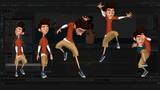












Learn how to animate attacks in this action-packed animation workshop for intermediate to advanced artists looking to master the craft of stylized fighting game animation using Maya.
Whether you’re creating animation for games or cinematics, this 5-hour workshop by Senior Cinematic Animator Brad Faucheux explains the tools and techniques required to develop fast, readable, and powerful attacks, from the ground up.
Artists will learn how to animate a complete combat sequence, from idle stance to final impact, using Maya’s Graph Editor, Motion Trails, and Animation Layers. Key skills covered include crafting strong key poses, controlling timing with anticipation and recovery, breaking down startup/active/recovery frames, and using offset keys and smears to enhance impact.
This comprehensive workshop focuses on industry-relevant techniques such as hitstop simulation, spacing for clarity in gameplay, and animation strategies pulled directly from professional fight game pipelines. Artists will also get helpful tips for animating with frame data in mind, balancing visual clarity with gameplay responsiveness.
By completing this workshop, artists will have completed a polished attack animation sequence built for speed, force, and style, and possess the knowledge to design their own combat systems with confidence.
This workshop utilizes the Epic Pen tool, the Xrig by Ahmed Shalaby, and the Maya ViewPort VFX Pack V1.1 by Shadrak Guichard-Foster.
12 Lessons
Brad kicks off his workshop with an introduction to the idle pose, the most essential element of fighting game character animation, serving as both the character's visual signature and the mechanical foundation for all gameplay actions. By carefully learning how to balance weight distribution, incorporate asymmetry, and understand martial arts fundamentals, animators can create distinctive, personality-driven stances that communicate who the character is before they even throw a punch. Investing time in crafting a strong idle pose pays dividends throughout the entire animation process.
Duration: 21m 37s

Fighting game idle poses should never be treated as simple placeholders or afterthoughts. They serve as identity statements that communicate who the character is and set the foundation for all other animations. By using reference photos, analyzing silhouettes, and making thoughtful micro-adjustments to body mechanics and angles, animators can transform a basic pose into a compelling character statement that engages players and effectively communicates the fighter's personality and combat style.
Duration: 13m 5s

This lesson reveals how effective hit animation relies on understanding and executing a sequence of precisely crafted poses rather than smooth motion alone. The anticipation pose serves as the foundation, while the often-overlooked overshoot pose provides the critical "snap" that our brains interpret as impact. By manipulating spine curves, distributing weight properly, and strategically exaggerating poses at key moments, animators can create punches and hits that feel forceful and satisfying to viewers. The next step involves timing and spacing to smooth the transitions between these extreme poses.
Duration: 31m 5s

This lesson demonstrates that fighting game animation requires both artistic timing and technical structure. By properly spacing keyframes and organizing animations into startup, active, and recovery frames, animators create impactful attacks while providing essential data for game implementation. This frame data system enables clear communication across the development team, ensuring animations function correctly within the game engine while maintaining the desired feel and responsiveness for players.
Duration: 27m 28s

Light attacks in fighting games prioritize player responsiveness while maintaining visual impact through careful timing and spacing choices. The key is balancing speed (quick startup with minimal anticipation) against readability (holding the active hit frame). By understanding how to use fewer frames, animators can achieve quick movements. Holding frames at impact also creates light attacks that feel both instant and satisfying, whether for single hits or rapid button-mashing combos.
Duration: 20m 49s

This lesson demonstrates that the primary difference between attack tiers in fighting games comes down to timing, anticipation, and frame distribution rather than just the visual intensity of the move. By nearly doubling the frame count and implementing longer hold frames with proper ease-out timing, animators can create medium attacks that feel substantially weightier than light attacks while remaining faster than heavy attacks. Brad's detailed polish work on arcs, weight distribution, and subtle movement variations transforms a basic punch into a professional-quality medium attack suitable for fighting game combat systems.
Duration: 28m 5s

This lesson demonstrates that creating convincing heavy attacks in animation is primarily about manipulating time and exaggeration rather than just pose strength. By extending anticipation, holding key frames longer, and creating dramatic body curves with proper weight transfer, animators can create the illusion of tremendous force and power. Brad teaches that slower, more deliberate timing with exaggerated opposing movements makes attacks feel significantly heavier and more impactful.
Duration: 28m 57s

This lesson effectively demonstrates how proper timing, pose construction, and weight distribution create believable heavy attack animations. Brad emphasizes that extended anticipation and hold frames are key to conveying weight and impact, distinguishing heavy attacks from lighter ones. While the animation shown still has rough spots that need polishing, the foundational blocking establishes the essential feeling of a powerful, weighty attack that will be refined in subsequent lessons on timing and spacing.
Duration: 31m 4s

This lesson emphasizes that successful animation polishing relies on understanding and manipulating timing and spacing to create believable weight and momentum. By using simplified tracking methods like spheres to isolate movement components, animators can more effectively evaluate and adjust the weight distribution across different body parts. Brad demonstrates that, while timing may remain consistent across body parts, varying the spacing between keyframes is what truly sells the illusion of different weights and creates compelling, physically convincing heavy attack animations.
Duration: 25m 43s

The main lesson here is that polished animation isn't achieved in one pass from blocking to final. Instead, it requires an iterative refinement phase focused specifically on timing and spacing. By strategically removing frames, offsetting body part movements, and adding subtle details like overshoot, animators can create impactful, weighty actions without losing the heaviness of the movement. Brad's "trimming the fat" approach ultimately produces more dynamic and professional results.
Duration: 29m 11s

This lesson demonstrates that transforming a basic animation into something spectacular requires layering multiple enhancement techniques rather than relying on a single effect. By strategically combining VFX elements, timing manipulation, camera shake, and directional speed lines, animators can create dramatically more engaging and impactful action sequences. Brad teaches how the key is that these tools work synergistically, with each element contributing visual information that guides the viewer's eye and amplifies the perceived force of the action.
Duration: 28m 19s

Brad's summarizes how his workshop provides a comprehensive foundation for creating effective fighting game animations by covering both technical principles and artistic approaches. He emphasizes how becoming a skilled combat animator requires not only mastering animation techniques but also understanding gameplay mechanics and how movement affects player experience. By combining the study of real-world movement with the analysis of successful games and continued experimentation, animators can develop the skills necessary to create compelling, responsive, and impactful fighting game animations.
Duration: 2m 36s

Primary tools
For this workshop you’ll need:

* Note that these programs and materials will not be supplied with the course.
Skills Covered
Who’s this Workshop for?
This workshop is designed for intermediate to advanced animators working in game development, visual effects, or cinematic production who want to specialize in combat animation. Artists should have solid foundational Maya skills and basic knowledge of animation principles before diving into these advanced fighting game techniques.
Character animators, technical artists, and indie game developers will find tremendous value in learning industry-standard combat animation workflows demonstrated in these lessons. Whether you're building a portfolio for AAA studios or developing your own fighting game, this workshop provides the specialized skills needed to create professional-quality attack sequences that balance visual impact with gameplay functionality.
Learning Outcomes
By completing this workshop, artists will master a full pipeline for creating polished, gameplay-ready combat animations using professional techniques from fighting game development.
Key skills include:
- How to craft strong key poses that communicate power and intent in combat sequences.
- How to control timing through anticipation and recovery frames for maximum visual impact.
- How to break down startup, active, and recovery phases for gameplay-optimized attack animations.
- How to use offset keys and smears to enhance the feeling of force and speed.
- How to simulate hitstop effects and spacing considerations for clear gameplay readability.
- How to leverage Maya's Graph Editor, Motion Trails, and Animation Layers for combat animation workflows.
- How to balance frame data requirements with visual storytelling in professional fighting game pipelines.


