
 Photoshop
 ZBrush
 Blender
 Unreal Engine
 Arnold
 Nuke
Nuke KeyShot
 V-Ray
V-Ray Marmoset Toolbag
 Mari
Mari Marvelous Designer
 3ds Max
 3DCoat
 Faceform Wrap
 Lightroom
 After Effects
 OctaneRender
 SpeedTree
 Daz 3D
 Agisoft Metashape
 Fusion
 Modo
Modo RealityCapture
 Gaea
Gaea Cinema 4D
 Gravity Sketch
 Premiere
 Procreate
 Clip Studio Paint
 SketchUp
 SketchBook
 Katana
 Natron
 Mudbox
 Quixel Bridge
 Quixel Megascans
 Quixel Mixer
 Substance 3D Modeler
 World Creator
 Yeti
Yeti Ziva VFX
 Mixamo
 Adobe Medium
 Quixel DDO
 xNormal
 Meshmixer
 Storyboard Pro
 DaVinci Resolve
 TreeIt
 World Machine
 Gaffer
 Corel Painter
 SynthEyes
 Krita
Krita Massive
 Materialize
 Unity
Unity Ornatrix
 PreForm
 Moi 3D
 animBot
 QuickTime
 ReCap
ReCap


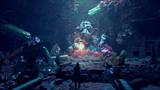


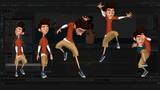











Houdini is fast becoming one of the most essential tools for the entire pipeline in film and feature animation production. This workshop covers the essential skills to get started with texturing and shading using the industry-standard tools Maya, Substance Painter, Substance Designer, and Houdini with Redshift. Brent Le Blanc, a Texturing & Shading Artist with over 10 years of experience in film and feature animation, guides you through the complete process of look development in this 2-hour workshop.
Brent begins with creating a reusable look development kit that will be helpful with all your future projects to easily access HDRIs, Cameras, and Macbeth Chart. He then details the UV stage in Maya, which he’s found to hold a level of importance that is often overlooked. Substance Designer is also introduced, revealing how it can create powerful custom tools that can be used in Substance Painter for smart material creation before Brent demonstrates texturing in Substance Painter, sharing his industry-proven, non-destructive methods for quickly polishing assets with highly modular materials.
Scene assembly follows as the next stage of the workshop, where Brent uncovers how to use the different contexts inside Houdini that are essential for look development. The final segment finishes out with light creation and various other essential tips and tricks for rendering in Houdini using Redshift.
This workshop offers techniques that have been learned over 10 years working as a professional texturing and shading artist with an emphasis on procedural and non-destructive workflows. Included with the workshop are various project files, including the featured Chest model HI and LO, Painter file, and Designer tool, to help get you started.
6 Lessons
Brent introduces his look-dev kit, which provides a professional workflow solution for consistent lighting and material evaluation across projects. By creating a portable, self-contained digital asset with customized controls, artists can quickly populate scenes with standardized reference objects and lighting setups, significantly streamlining the look development process. The Python-driven HDRI switching system and camera-locked reference geometry make it easy to evaluate materials under different lighting conditions while maintaining a clean, uncluttered workspace.
Duration: 29m 14s

Proper UV mapping is a fundamental skill that directly impacts texture quality in 3D work. While some may see it as tedious, Brent shows that taking time to establish the correct texel density and appropriate UV directions pays dividends during texturing, ensuring materials look realistic and consistent. The key is balancing technical precision with practical efficiency, and investing more effort in hero objects while using simplified approaches for background elements based on their visibility and importance in the final scene.
Duration: 7m 59s

This lesson demonstrates Brent's professional texturing workflow, which prioritizes proceduralism and reusability while building rich, story-driven materials. His approach of starting with base materials, building up layers that represent different stages of wear, and maintaining flexibility through anchors and procedural masks allows for efficient iteration and consistent results across multiple surfaces. The emphasis on understanding material properties, particularly roughness variation, and thinking about how objects age and accumulate damage over time creates believable, production-ready assets suitable for close-up rendering.
Duration: 34m 57s

This lesson showcases a practical workflow for creating custom decal systems by leveraging the strengths of multiple Adobe Substance applications. While Brent considers his solution somewhat "clunky," it effectively demonstrates how Substance Designer and Painter work in conjunction to solve specific artistic problems. His approach prioritizes speed and practicality over perfection, making it ideal for solo artists or small projects where building elaborate systems isn't justified.
Duration: 16m

This lesson establishes the fundamental workflow for look development in Houdini using Redshift, emphasizing the software's strengths in non-destructive, container-based asset management. Brent demonstrates that, while the initial setup requires understanding of Houdini's node-based structure, the process becomes highly efficient and repeatable once established. His combination of proper material organization, UDIM workflows, and procedural layering techniques creates a professional pipeline suitable for both individual projects and production environments.
Duration: 33m 29s

This final lesson effectively demonstrates how professional lighting is a combination of physical accuracy and artistic manipulation. While Brent starts with physically based sunlight, much of the final look comes from strategically placed "cheat" lights that simulate bounce lighting more efficiently than relying solely on GI calculations. His key lesson is balancing render quality with practical time constraints, and knowing when to increase the number of samples to reduce noise versus when to add additional lights for artistic control. Modern GPU rendering technology, such as Redshift, has dramatically reduced render times, making iterative lighting much more practical for artists.
Duration: 18m 55s

Primary tools
For this workshop you’ll need:


* Note that these programs and materials will not be supplied with the course.
Project Files
When you download the workshop files, you'll get access to a complete 3D texturing and design project package. Inside, you'll find:
- Substance Painter project – The main .spp file containing the texturing work, materials, and painting layers for the chest model
- Photoshop design file - A .psd file with sticker designs and graphics to customize and apply to your 3D models
- A resources folder - The folder containing all the .png sticker files used in the workshop
Skills Covered
Who’s this Workshop for?
This workshop is designed for intermediate 3D artists, texture artists, and look development specialists who want to expand their knowledge of the pipeline. It's perfect for professionals working in film and animation who need to integrate multiple industry-standard tools into their workflow.
Beginners with basic 3D knowledge and experienced artists transitioning into look development will also benefit from these lessons. The comprehensive approach covering Maya, Substance Suite, Houdini, and Redshift provides valuable cross-software expertise that's increasingly essential in modern production pipelines.
Learning Outcomes
By completing this workshop, artists will develop a comprehensive skill set for professional texturing and shading workflows across multiple industry-standard applications.
Key skills include:
- How to create reusable look development kits with HDRIs, cameras, and calibration tools.
- How to execute proper UV mapping techniques in Maya for optimal texture application.
- How to build custom procedural tools in Substance Designer for enhanced material creation.
- How to apply non-destructive texturing methods in Substance Painter using modular smart materials.
- How to utilize Houdini's different contexts effectively for professional look development workflows.
- How to set up lighting and render scenes efficiently using Houdini with Redshift.
- How to maintain procedural workflows that ensure flexibility throughout the production pipeline


