
 ZBrush
 Houdini
 Substance Painter
 Blender
 Unreal Engine
 Arnold
 Nuke
Nuke V-Ray
V-Ray Marmoset Toolbag
 Mari
Mari Marvelous Designer
 Substance Designer
 3ds Max
 Redshift
 Faceform Wrap
 Lightroom
 After Effects
 OctaneRender
 SpeedTree
 Daz 3D
 Agisoft Metashape
 Fusion
 Modo
Modo RealityCapture
 Gaea
Gaea Cinema 4D
 Gravity Sketch
 Premiere
 Procreate
 Clip Studio Paint
 SketchUp
 SketchBook
 Katana
 Natron
 Mudbox
 Quixel Bridge
 Quixel Megascans
 Substance 3D Modeler
 World Creator
 Yeti
Yeti Ziva VFX
 Mixamo
 Adobe Medium
 Quixel DDO
 xNormal
 Meshmixer
 Storyboard Pro
 DaVinci Resolve
 TreeIt
 World Machine
 Gaffer
 Corel Painter
 SynthEyes
 Krita
Krita Massive
 Materialize
 Unity
Unity Ornatrix
 PreForm
 Moi 3D
 animBot
 QuickTime
 ReCap
ReCap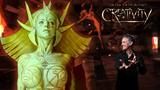
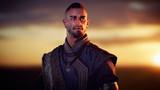

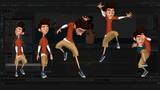







When designing for film, there are many approaches an artist can take to conceptualize an idea. This 4-hour workshop by Framestore Art Director, Philippe Gaulier, walks you through one of the workflows he uses when creating concept art for his clients, whether it’s for a film or TV series.
Within this workshop, you’ll discover the various techniques and approaches that help Philippe to work efficiently while maintaining flexibility throughout the concepting process. He begins by describing how he builds his own assets with a combination of Blender and 3D-Coat, using Maya for character posing, and then demonstrates how he creates a variety of dynamic compositions with interesting light scenarios to explore his ideas. Once happy with the compositions, he renders them out in KeyShot before adding his final touches in Photoshop.
The particular method taught in this workshop allows Philippe to create a set of distinct images, each telling a different story. By the end of the tutorial, you’ll see five finalized illustrations that all help communicate the concept to Philippe’s client.
While this tutorial features many helpful technical tips and tricks, it focuses on the creative process, providing you with a methodology that you can apply to any software of your choice. By completing this workshop, you will gain great insights into analyzing client briefs to create fantastic key illustrations and concept art — while thoroughly enjoying the creative process along the way!
9 Lessons
Philippe Gaulier introduces his workshop, which offers insight into his professional workflow, shaped by decades of experience in the art, video game, and VFX industries. He discusses how successful concept art relies on fundamental artistic thinking, methodology, and problem-solving rather than technical software skills. His workshop teaches a tool-agnostic approach to creating professional, client-focused artwork based on proven industry experience.
Duration: 4m 6s

This lesson emphasizes the importance of gathering diverse references and understanding how to work within varying client brief parameters. Philippe's approach to creating an alien swamp environment demonstrates how to synthesize influences from fine art, sculpture, and comic books into cohesive concept art. By focusing on strong composition, contrast between detailed and calm areas, and drawing on memorable artistic influences, his project aims to create a visually compelling, atmospherically rich alien environment that balances creative freedom with structured visual storytelling.
Duration: 13m 27s

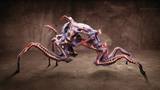
This lesson demonstrates an efficient approach to creating complex alien environment assets by combining procedural generation, organic sculpting, and strategic asset reuse. Philippe showcases working quickly with an improvisational, flow-based approach while constantly evaluating forms from multiple angles. By building modular elements that work from any viewpoint and creating size variations, he shows how to maximize visual complexity while minimizing actual modeling time. This is a practical technique for concept artists and environment designers working on otherworldly scenes.
Duration: 31m 22s

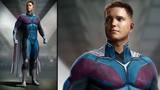
This lesson demonstrates a practical, efficiency-focused approach to creating concept art characters. Philippe teaches how to spend time where it matters most (pose, silhouette, focal points) while keeping secondary elements rough enough to complete quickly. His emphasis on storytelling over technical perfection, combined with careful attention to anatomical believability and compositional rhythm, shows how professional concept artists balance artistic quality with production speed. The final character successfully conveys a retro sci-fi aesthetic of an alien hunter, ready to be integrated into the larger environmental scene.
Duration: 18m 8s

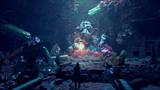
This lesson demonstrates a practical approach to creating compelling environment concept art by combining 3D scene building with 2D finishing techniques. Philippe emphasizes efficiency through asset reuse, the importance of exploring multiple compositions before committing, and how simple additions, such as water, can transform a scene from abstract geometry into a believable environment. His workflow showcases how modern concept artists can leverage 3D tools to quickly iterate on complex environments while maintaining artistic control over mood and storytelling.
Duration: 16m 31s

This lesson demonstrates that successful environment concept art relies on strong compositional fundamentals and storytelling before diving into technical details. Philippe's pragmatic approach balances artistic quality with production efficiency, showing how 3D workflows enable rapid iteration while maintaining creative control. By establishing multiple compelling camera angles and carefully building up textures layer by layer, he shows how to create an atmospheric alien world that suggests narrative possibilities while remaining flexible enough to adapt to client needs. This lesson details crucial skills for professional concept artists working in film and game development.
Duration: 31m 56s

This lesson showcases the experimental and iterative nature of 3D texturing and scene composition. Philippe demonstrates how working in 3D enables continuous discovery and refinement, testing different materials, colors, and camera angles to achieve the most compelling visual presentation. The flexibility to make changes and the ability to further refine elements in post-production through ID passes make this workflow particularly powerful for creating atmospheric, otherworldly environments. From here, the scene will be ready to move into the lighting and rendering phase.
Duration: 28m 57s

This lesson reveals Philippe's hybrid workflow that leverages 3D rendering efficiency while maintaining artistic control through extensive Photoshop post-processing. His philosophy emphasizes that 3D should be a tool that serves the artist rather than dictating the final look. Intentionally leaving 3D work "incomplete" creates opportunities to add personality and artistic interpretation in post-production. His approach offers both technical efficiency and creative freedom, helping artists avoid the trap of overly perfect, soulless 3D renders by embracing the happy accidents and imperfections characteristic of traditional painting.
Duration: 43m 54s

This final lesson emphasizes a pragmatic, efficiency-focused approach to post-production that prioritizes storytelling and overall impact over obsessive detailing. Philippe discusses why knowing when to stop is just as important as knowing what to add, and how strategic atmospheric enhancements and subtle refinements can elevate 3D renders effectively without falling down the "rabbit hole" of endless modifications. He shows how, by working on multiple images as a cohesive package and maintaining perspective through constant zooming out, artists can achieve professional results that serve the narrative purpose while managing their time effectively.
Duration: 38m 27s

Primary tools
For this workshop you’ll need:


* Note that these programs and materials will not be supplied with the course.
Skills Covered
Who’s this Workshop for?
This workshop is intended for artists who want to create strong key illustrations that communicate story, mood, and intent for film and television projects. It is best suited for intermediate to advanced concept artists and digital illustrators who are already comfortable working with a mix of 3D and 2D tools and want to improve how they translate ideas into clear, client-ready visuals.
Freelance artists, studio professionals, and aspiring concept designers will benefit from the emphasis on efficiency, flexibility, and visual storytelling. The workflow supports artists who want to explore multiple narrative directions quickly, respond to creative briefs with confidence, and present a cohesive set of images that communicate a concept clearly and effectively.
Learning Outcomes
By completing this workshop, artists will be able to:
- Analyze creative briefs to identify narrative goals, visual priorities, and client needs
- Build and adapt simple 3D assets to support rapid concept development
- Use posed characters and environment elements to reinforce storytelling intent
- Create dynamic compositions and lighting scenarios that explore multiple narrative directions
- Render clean, readable images suitable for professional presentation and review
- Refine concept artwork with targeted 2D polish to unify mood and visual clarity
- Develop multiple key illustrations from a single idea while maintaining consistency and variation
- Apply a flexible, software-agnostic methodology to future concept art projects


