 Photoshop
 Maya
Maya ZBrush
 Houdini
 Substance Painter
 Blender
 Unreal Engine
 Arnold
 Nuke
Nuke KeyShot
 V-Ray
V-Ray Marmoset Toolbag
 Mari
Mari Marvelous Designer
 Substance Designer
 3ds Max
 3DCoat
 Redshift
 Faceform Wrap
 Lightroom
 After Effects
 OctaneRender
 SpeedTree
 Daz 3D
 Agisoft Metashape
 Fusion
 Modo
Modo RealityCapture
 Gaea
Gaea Cinema 4D
 Gravity Sketch
 Premiere
 Procreate
 Clip Studio Paint
 SketchUp
 SketchBook
 Katana
 Natron
 Mudbox
 Quixel Bridge
 Quixel Megascans
 Quixel Mixer
 Substance 3D Modeler
 World Creator
 Yeti
Yeti Ziva VFX
 Mixamo
 Adobe Medium
 Quixel DDO
 xNormal
 Meshmixer
 Storyboard Pro
 DaVinci Resolve
 TreeIt
 World Machine
 Gaffer
 Corel Painter
 SynthEyes
 Krita
Krita Massive
 Materialize
 Unity
Unity Ornatrix
 PreForm
 Moi 3D
 animBot
 QuickTime
 ReCap
ReCap
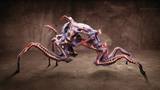
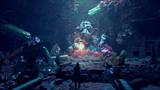


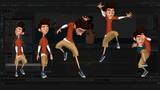








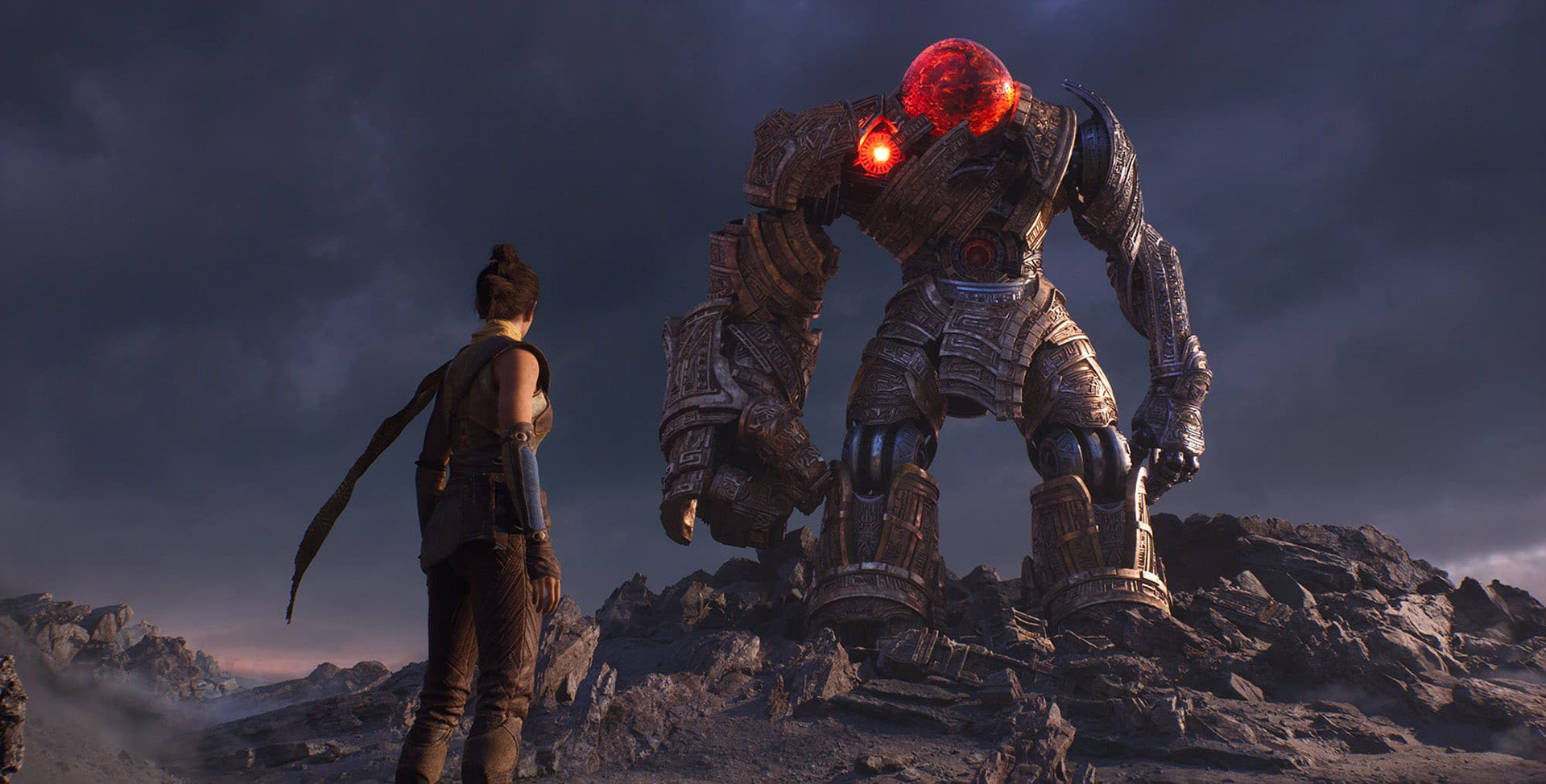
Director Aaron Sims explores the power of storytelling in Unreal Engine 5 and invites participants to discover his UE5 workflow and process behind the making of the award-winning short film, THE EYE: CALANTHEK. Encompassing the full spectrum of UE filmmaking, this Gnomon Workshop title covers everything from story development within Unreal to character and world-building, mocap and animation in sequencer, editing, and beyond.
Aaron takes an up-close look at Lumen to illustrate the process of lighting interiors, and exteriors, along with his best practices for lighting the characters themselves. Previsualization (previs) in-engine is a real game-changer because assets bring the story to life and illuminate creative opportunities. Once the stage is set and the story is refined, editing then brings the film together using all the latest UE5 real-time production techniques.
This workshop is aimed at artists with a working knowledge of Unreal Engine. Rather than a how-to guide, this workshop gives a professional insight into the entire process of UE5 content creation. The goal is for subscribers to enjoy the entire process and be inspired to tell their own stories using Unreal Engine.
10 Lessons
Aaron details how Unreal Engine's real-time capabilities fundamentally change the storytelling process, allowing for organic development and rapid iteration that traditional animation workflows cannot match. By combining strategic use of existing assets, quick prototyping, and the freedom to evolve the story during production, he successfully created a compelling short film in just six weeks. His approach prioritizes creative decision-making over technical constraints, making complex storytelling more accessible and efficient.
Duration: 20m 3s

This lesson showcases a modern approach to world-building in Unreal Engine that prioritizes creative flexibility and rapid iteration over traditional time-consuming workflows. By leveraging marketplace assets, working entirely within the engine, and maintaining organized project structures, creators can build photorealistic environments efficiently while maintaining high artistic standards. Aaron shares how successful world-building combines technical knowledge with artistic vision, always keeping the final story and camera work in mind throughout the entire construction process.
Duration: 1h 13m 1s

This lesson demonstrates how MetaHuman technology can be effectively combined with traditional 3D modeling techniques to create a compelling, realistic character for film production. Aaron's strategic decision to keep the helmet on solved technical challenges while maintaining character believability, and the modular blueprint approach enabled an efficient workflow and dynamic storytelling elements. The collaboration between multiple tools (MetaHuman, ZBrush, Maya, and Substance Painter) and external expertise resulted in a highly detailed, production-ready character that could hold up in both close-up and wide shots.
Duration: 16m 38s

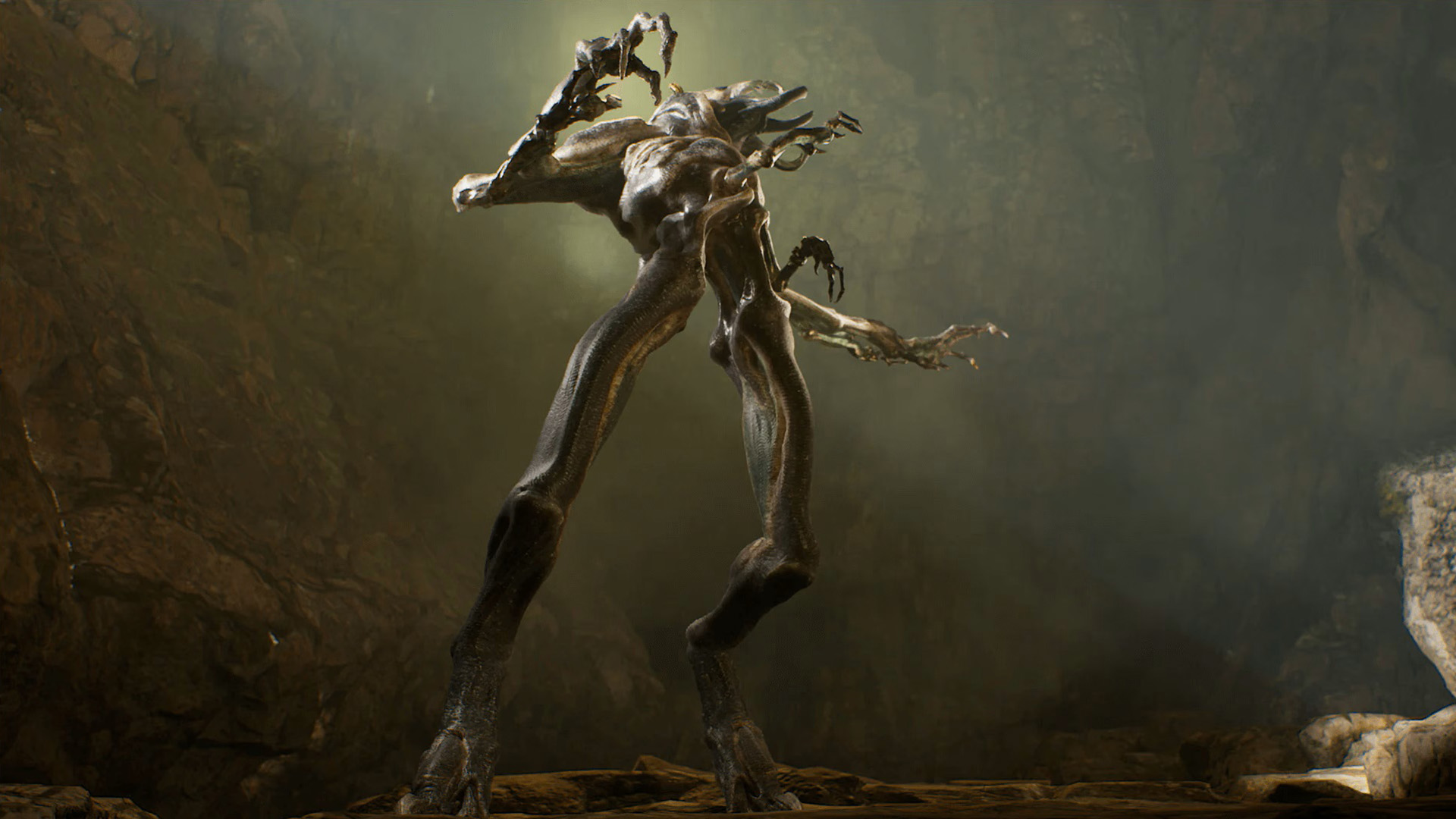
This comprehensive lesson demonstrates how filmmakers can create professional-quality creatures entirely within Unreal Engine, combining traditional design principles with cutting-edge real-time technology. By sharing the complete Teuthisan asset freely, Aaron encourages experimentation and learning, proving that high-end creature creation is now accessible to independent creators. His workflow showcases how motion capture, keyframe animation, and sophisticated lighting can be seamlessly integrated to achieve cinematic results without traditional limitations.
Duration: 28m 22s

This lesson demonstrates a professional mocap-to-Unreal Engine workflow that combines the realism of motion capture with the flexibility of keyframe animation through control rigs. While Aaron's technical process involves multiple software packages and manual retargeting steps, the end result provides artists with powerful tools to create high-quality character animation that maintains mocap authenticity while allowing for creative adjustments and refinements.
Duration: 34m 36s

This lesson demonstrates that Unreal Engine 5's Lumen system fundamentally changes the lighting workflow, allowing artists to achieve cinematic results with fewer lights while focusing more on artistic vision than technical complexity. The key to successful lighting lies in understanding when to rely on Lumen's automatic global illumination for environmental lighting versus when to add strategic manual lights for character work and narrative emphasis. By combining technical proficiency with strong artistic references and systematic organization, creators can achieve professional-quality results entirely within the engine, eliminating the need for extensive post-production compositing.
Duration: 1h 17m 7s

The previs process demonstrated here shows how modern game engines like Unreal can serve as powerful storytelling labs. By rapidly iterating through multiple versions with placeholder assets, creators can solve fundamental narrative and visual problems before investing in the final polish. Aaron's approach transforms previs from simple shot planning into active story development, allowing filmmakers to discover their story through experimentation rather than just executing a predetermined plan.
Duration: 31m 22s

Aaron advocates for a pragmatic approach to filmmaking that prioritizes story and final quality over tool loyalty. While Unreal Engine excels at visual creation, sometimes the best workflow involves jumping into specialized tools like Premiere Pro for editing stability and efficiency. The emphasis on seeking feedback, using reference materials, and continuously refining the edit through multiple iterations demonstrates that successful filmmaking is ultimately about understanding each component of the process and choosing the right tools for each task.
Duration: 25m 27s

Aaron's workshop showcases how Unreal Engine 5 has democratized high-quality filmmaking, enabling small teams to create professional, award-winning content in remarkably short timeframes. His approach emphasizes that technical knowledge of Unreal is secondary to understanding fundamental filmmaking principles and maintaining an exploratory, iterative creative process. The success of "The EYE", completed in six weeks and winning multiple film festival awards, proves that, with the right approach, Unreal Engine can be a powerful tool for independent filmmakers to bring their creative visions to life.
Duration: 9m 19s

To conclude Aaron's workshop, he presents the final short film, “THE EYE: CALANTHEK.”
Duration: 8m 59s

Primary tools
For this workshop you’ll need:
Skills Covered
Who’s this Workshop for?
This workshop is designed for intermediate to advanced artists with existing experience in Unreal Engine who want to expand into cinematic storytelling. It's particularly valuable for 3D artists, technical directors, and filmmakers seeking to understand professional UE5 production workflows for short-film production.
Game developers, animation professionals, and visual effects artists will also benefit significantly from this comprehensive exploration of real-time filmmaking. The workshop provides essential insights into industry-standard techniques applicable to various entertainment media projects, making it invaluable for career advancement.
Learning Outcomes
By completing this workshop, artists will gain comprehensive knowledge of professional UE5 filmmaking workflows, from initial story development through final editing and post-production.
Key skills include:
- How to develop compelling stories and narratives directly within the Unreal Engine environment.
- How to build immersive characters and detailed worlds using UE5's advanced creation tools.
- How to integrate motion capture data and create professional animations using Sequencer.
- How to master Lumen lighting techniques for both interior and exterior cinematic scenes.
- How to light characters effectively using UE5's real-time rendering and lighting systems.
- How to create dynamic previsualization sequences that enhance storytelling and creative development.
- How to edit and assemble final films using cutting-edge real-time production techniques.