
 Photoshop
 Houdini
 Blender
 Unreal Engine
 Nuke
Nuke KeyShot
 V-Ray
V-Ray Marmoset Toolbag
 Mari
Mari Substance Designer
 3ds Max
 3DCoat
 Redshift
 Faceform Wrap
 Lightroom
 After Effects
 OctaneRender
 SpeedTree
 Daz 3D
 Agisoft Metashape
 Fusion
 Modo
Modo RealityCapture
 Gaea
Gaea Cinema 4D
 Gravity Sketch
 Premiere
 Procreate
 Clip Studio Paint
 SketchUp
 SketchBook
 Katana
 Natron
 Mudbox
 Quixel Bridge
 Quixel Megascans
 Quixel Mixer
 Substance 3D Modeler
 World Creator
 Yeti
Yeti Ziva VFX
 Mixamo
 Adobe Medium
 Quixel DDO
 xNormal
 Meshmixer
 Storyboard Pro
 DaVinci Resolve
 TreeIt
 World Machine
 Gaffer
 Corel Painter
 SynthEyes
 Krita
Krita Massive
 Materialize
 Unity
Unity Ornatrix
 PreForm
 Moi 3D
 animBot
 QuickTime
 ReCap
ReCap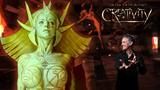






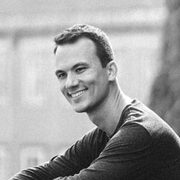
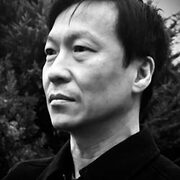







Recreate a historical 3D portrait of King Akhenaten using Maya, ZBrush, Substance Painter, XGen, Marvelous Designer and Arnold. Mahmoud Salah, character and creature artist, takes artists on a journey of discovery, starting with a scan of an ancient statue together with a modern-day human head scan that he projects onto the ancient statue to help reimagine the historical figure.
With the sculpt and facial details defined in ZBrush, Mahmoud uses Substance Painter to carefully align and enhance the skin texture. He instructs how to use Arnold for the look development process and how to leverage the esteemed Skin Shader, and dives deep into the eye setup and rendering workflow for realistic CG eyes.
The hair grooming is handled using XGen in Maya to help push the realism of the artwork to the next level with hyper-realistic brows, lashes, and stubble. To adorn the character, in the final stage of the workshop, Mahmoud creates key accessories for the King, demonstrating his workflow for modeling and texturing a headdress and ornamental collar to display the character in its full glory.
The goal of this workshop is to teach the skills artists need to reconstruct and reimagine any historical character in 3D.
17 Lessons
In this first lesson, Mahmoud Salah walks us through his process for gathering references to recreate a portrait of the ancient King Akhenaten. He explains that historical sources, like statues, are often stylized based on perspective, lighting, and artistic conventions of the time. To achieve the most accurate representation, Mahmoud combines these references with 3D scans, modern facial comparisons, and deep historical research, to avoid elements from other cultures or periods.
Duration: 11m 21s

In this lesson, Mahmoud selects a head scan from 3D Scan Store and moves into ZBrush. He deals with a common issue with commercial 3D face scans by removing problematic tertiary details that can cause rendering artifacts, while keeping the essential facial features for projecting onto his model of King Akhenaten. Though time-intensive due to high polygon counts, this preparation ensures the scan renders with natural, lifelike skin instead of an artificial, rock-like appearance.
Duration: 5m 31s

In this lesson, Mahmoud manually matches his 3D head scan to the statue of King Akhenaten in ZBrush. While automated tools like ZWrap exist, he shows how careful layer management, strategic masking, and gradual refinement can achieve excellent results while preserving important UVs and texture data. Throughout the process, Mahmoud stresses the importance of constantly checking reference to maintain accuracy.
Duration: 7m 53s

In this lesson, Mahmoud walks through a detailed cleanup process, demonstrating that creating realistic human faces in ZBrush requires constant attention to anatomy, topology flow, and age-appropriate detail. He shows how to blend multiple head scans using layered morph targets and how technical problem-solving helps overcome unexpected challenges. By managing imperfections, avoiding artifacts like intersecting geometry, and balancing stylization with realism, Mahmoud demonstrates how believable results are achieved.
Duration: 17m 34s

In this lesson, Mahmoud demonstrates a professional pipeline for handling high-resolution scanned models with unique UV layouts across multiple software packages. He illustrates how to organize UDIMs and use appropriate export settings to preserve map quality. By combining detailed sculpting in ZBrush with texturing in Substance Painter and leveraging scan-based maps, artists can achieve production-quality results for both personal and professional projects.
Duration: 8m 47s

In this lesson, Mahmoud focuses on manual refinement of textures in Substance Painter. He demonstrates a methodical layer-based approach using masks, blend modes, and strategic color adjustments to build up complex skin materials, while maintaining control over individual features. The workflow prioritizes flexibility and non-destructive editing to achieve a naturalistic human skin texture.
Duration: 10m 54s

In this lesson, Mahmoud creates custom masks for the different eye components in Substance Painter. He breaks down the careful channel organization and export settings required to ensure each mask is correctly assigned and exported. The lesson highlights how attention to technical detail is essential for building accurate, production-ready eye materials.
Duration: 3m 11s

In this lesson, Mahmoud imports and resizes the model in Maya before moving into photorealistic skin rendering in Arnold. He demonstrates a professional workflow that combines accurate displacement with advanced multi-layer material setups. By using dual specular passes with different roughness values, controlled by procedural masks for creases and pores, he recreates how oil and dirt affect real skin. Using Arnold’s layered shader approach, Mahmoud shows how to manage multiple material variations on a single model through painted masks, creating a flexible, non-destructive pipeline ideal for character work.
Duration: 8m 50s

In this lesson, Mahmoud returns to the modeling and texturing phase for the head piece. He shows how to move fluidly between multiple software packages while maintaining non-destructive techniques. Achieving photorealistic results requires addressing both geometric and texture-level issues, often using creative problem-solving like creating custom tileable skin patches to overcome limitations in the 3D scanned texture maps.
Duration: 11m 27s

In this lesson, Mahmoud focuses on refining the eye area, which requires iterative adjustment and non-destructive editing to achieve photorealism. He shows how authentic materials, like the referenced powder-based eyeliner, must interact naturally with the skin, accounting for organic falloff, micro-breakup, and accurate specular response. By working between Substance Painter and Maya and constantly comparing renders to reference, Mahmoud demonstrates how careful material decisions lead to believable results.
Duration: 10m 44s

In this lesson, Mahmoud works on texture layering and detailing the eyes; even though much of this won't be directly visible in final renders, these subtle elements collectively contribute to believable results. Mahmoud also demonstrates that fixing render issues often means rethinking geometry organization, not just tweaking materials.
Duration: 11m 15s

In this lesson, Mahmoud works in Maya to set up an advanced eye shader that goes beyond a simple glass-like material. Some unique features used include transmission for the iris and subsurface scale variation for the tear duct, both of which help to solve common rendering problems such as harsh transitions and unnatural darkness. Mahmoud's iterative approach to this method and willingness to experiment with different material properties provides valuable insights for creating believable organic materials.
Duration: 9m 7s

In this lesson, Mahmoud shows that creating realistic hair in XGen requires patience, anatomical awareness, and constant iteration between grooming, modifier tweaks, and render tests. By understanding natural hair growth patterns, layering modifiers like clumps, noise, and guides, and using masks for density and color variation, he demonstrates how to achieve production-quality hair that greatly enhances character realism.
Duration: 26m 49s

In this lesson, Mahmoud focuses on creating the character's head accessories. He demonstrates a smart production workflow that uses simulation for realism, NanoMesh for efficient repetition, and proper UV organization from the start. This approach mirrors real-world pipelines, where simple base geometry drives complex final results and keeps even highly detailed assets easy to adjust.
Duration: 21m 10s

In this lesson, Mahmoud demonstrates a methodical approach to UDIM management, baking settings, and layered material creation to ensure both technical accuracy and visual quality. By blending procedural techniques, like random color variation and displacement maps, with hands-on adjustments such as UV alignment for fabric patterns and color remapping for transmission, he shows how to achieve historically inspired yet visually appealing results while keeping the workflow efficient and production-ready.
Duration: 19m 19s

In this lesson, Mahmoud demonstrates professional lighting techniques for 3D characters, showing how to layer multiple light sources strategically while maintaining subtlety. He emphasizes studying references, testing lights individually, and making careful adjustments rather than overdoing effects. By combining technical mastery of Arnold lighting with principles from photography and painting, artists can create authentic, emotionally engaging character presentations that highlight the model and serve the story.
Duration: 16m 16s

In this final lesson, Mahmoud composites all render passes in Photoshop, working to make the 3D character feel photorealistic. He keeps effects subtle and layered, rather than heavy-handed. By addressing ACES color space limitations, adding atmospheric elements, incorporating camera artifacts, and applying cinematic grading, Mahmoud elevates the piece to portfolio-ready quality.
Duration: 15m 48s

Primary tools
For this workshop you’ll need:


* Note that these programs and materials will not be supplied with the course.
Skills Covered
Who’s this Workshop for?
This workshop is designed for mid-to-senior-level 3D artists, character modelers, and digital sculptors who have foundational knowledge of Maya, ZBrush, and Substance Painter. It's ideal for professionals working in film, games, and entertainment who want to expand their historical character reconstruction skills.
The industry-proven pipeline that Mahmoud Salah shows for creating photorealistic human characters will help viewers develop skills ranging from reference gathering to hair grooming. These techniques can apply broadly to any character or creature work, making these lessons valuable for studio professionals seeking to elevate their realistic character creation abilities.
Learning Outcomes
By completing this workshop, artists will have mastered professional workflows for creating photorealistic human characters, primarily focusing on portraits using key tools and techniques.
Key skills include:
- How to combine historical reference scans with modern anatomy for accurate character reconstruction.
- How to sculpt detailed facial features and skin details using advanced ZBrush techniques.
- How to create realistic skin textures and materials using Substance Painter workflows.
- How to set up and render photorealistic eyes with proper subsurface scattering.
- How to use Arnold's Skin Shader for professional look development and lighting setups.
- How to create realistic hair, eyebrows, and facial hair using XGen grooming tools.
- How to model and texture period-accurate accessories like headdresses and ornamental jewelry.
- How to integrate all elements into a final rendered portrait while trying to hint at historical accuracy.


