
 Photoshop
 Maya
Maya ZBrush
 Houdini
 Substance Painter
 Blender
 Unreal Engine
 Arnold
 Nuke
Nuke KeyShot
 V-Ray
V-Ray Marmoset Toolbag
 Mari
Mari Marvelous Designer
 Substance Designer
 3ds Max
 3DCoat
 Redshift
 Faceform Wrap
 Lightroom
 After Effects
 OctaneRender
 SpeedTree
 Daz 3D
 Agisoft Metashape
 Fusion
 Modo
Modo RealityCapture
 Gaea
Gaea Cinema 4D
 Gravity Sketch
 Premiere
 Procreate
 Clip Studio Paint
 SketchUp
 SketchBook
 Katana
 Natron
 Mudbox
 Quixel Bridge
 Quixel Megascans
 Quixel Mixer
 Substance 3D Modeler
 World Creator
 Yeti
Yeti Ziva VFX
 Mixamo
 Adobe Medium
 Quixel DDO
 xNormal
 Meshmixer
 Storyboard Pro
 DaVinci Resolve
 TreeIt
 World Machine
 Gaffer
 Corel Painter
 SynthEyes
 Krita
Krita Massive
 Materialize
 Unity
Unity Ornatrix
 PreForm
 Moi 3D
 animBot
 QuickTime
 ReCap
ReCap



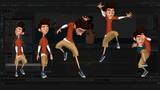



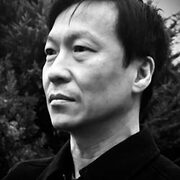








Learn how to turn your rough storyboard sequences into fully colored animated videos with this new tutorial by Rembert Montald, a Storyboard Artist at Riot Games.
Following on from his Storyboarding Techniques: Creating a Fight Sequence workshop, Rembert shares his professional techniques for turning a rough animatic into a final animatic. Focusing on the first 16 seconds of his fight sequence, he gives an in-depth explanation of his thought process when approaching storyboarding for animation. His lecture includes a discussion of the importance of camera placement, as the way a camera moves can be used to great advantage — especially when working with dynamic shots.
This is an advanced drawing workshop; however, Rembert’s approach to teaching is to make his techniques inclusive for all levels and abilities. This workshop aims to empower artists with the confidence to create their own animations, whether for showcasing in a portfolio, using to secure a new job, or pitch an idea to a stakeholder.
Rembert’s final animatic can be downloaded with this workshop.
11 Lessons
In this workshop, Rembert Montald demonstrates that Layer Comps in Photoshop provide a powerful tool for creating frame-by-frame animations. By setting up custom hotkeys for navigating between Layer Comps, artists can work more efficiently and maintain their creative flow. This technique is particularly useful for rough animations and for applying classic animation principles.
Duration: 2m 16s

This lesson demonstrates that animation requires problem-solving and a substantial investment of time, but that the results are highly rewarding. By breaking complex shots into components and working through each challenge, artists can create professional-grade portfolio pieces that showcase their understanding of the entire production pipeline.
Duration: 7m 50s

This lesson reveals that complex, challenging shots involve significant struggle and revision. Artists should be aware that good animation comes from prioritizing emotion over technical perfection, and accept that quality work requires patience, multiple iterations, and the willingness to slow down rather than rush through the process. Rembert’s admission of mistakes and difficulties serves as valuable reassurance for other artists facing similar challenges.
Duration: 12m 20s

This lesson teaches that creating professional-quality animation as a solo artist is achievable with the right approach and tools. While the process is labor-intensive, breaking work into small, manageable steps, and using techniques like thumbnail guides and limited animation makes solo production feasible. The key is working smart, maintaining motivation, and being honest with yourself about areas that need improvement.
Duration: 22m 59s

This lesson demonstrates that effective animation prioritizes visual impact and efficiency. Focusing on shadows, simplified loops, and strategic problem-solving makes complex sequences manageable. Most importantly, understanding fundamental animation principles like walk cycles benefits all artists, not just animators, by providing deeper knowledge of movement and form that translates into stronger static illustrations.
Duration: 7m 14s

This lesson provides a look at the reality of professional animation work, where a single hero shot requires hours of meticulous refinement, constant flipping between frames, and strategic decisions about where to invest time and energy. Rembert demonstrates that a single artist can create quality animation work, but that this requires taking on tedious parts of the craft, maintaining morale through strategic shot selection, and understanding that finishing a project is more important than perfecting every detail.
Duration: 31m 39s

This lesson demonstrates that to create an effective animation, artists must understand fundamental principles while maintaining artistic efficiency. Rembert’s approach prioritizes capturing the overall energy of movement and working within time constraints while still achieving professional results.
Duration: 44m 46s

In this lesson, Rembert provides an honest look at the often-frustrating reality of creating professional hand-drawn animation. His willingness to destroy hours of work and start over proves that great animation comes from relentless refinement rather than immediate success. By pushing through discomfort, maintaining focus during extensive work sessions, and prioritizing emotional energy, artists can create animation that truly lives and breathes.
Duration: 1h 13m 24s

In this lesson, Rembert moves on from polishing to demonstrate a labor-intensive but effective method for adding motion effects to animated sequences in Photoshop. By applying motion blur and noise to individual frames rather than using automated batch processes, he achieves a unique aesthetic with dynamic texture variation. This hands-on approach allows for precise control over the final look and maintains the flexibility to make adjustments throughout the production process.
Duration: 4m 56s

In this video, Rembert discusses how to make timing adjustments. While there are many ways to accomplish this, his method focuses on feeling out the rhythm and pacing of each frame before rendering the final image sequence. This process requires patience, but results in properly sequenced JPEG outputs ready for final production.
Duration: 3m 1s

This lesson illustrates the importance of maintaining quality control in the final editing stages of animation work. Refinement and careful review are essential parts of the process, even if it means ‘wasting time’ to ensure that the animation feels right. This lesson also serves as a practical guide for exporting finished animations from Premiere Pro while maintaining quality standards.
Duration: 3m

Primary tools
For this workshop you’ll need:
Project Files
The project file provided with this workshop gives access to Rembert Montald's final animatic. Inside the download, you'll find:
- Polished animatic (.mp4) – The final, polished animatic demonstrating the final results of this workshop
Skills Covered
Who’s this Workshop for?
This advanced workshop is designed for storyboard artists, animators, and visual development professionals looking to elevate their animatic skills. Rembert Montald's inclusive teaching approach makes the content accessible to artists at various skill levels who want to learn professional animation techniques.
Aspiring animators and creative professionals seeking to pitch animated concepts will find tremendous value in these industry-standard methods. The workshop empowers artists with the confidence and technical knowledge needed to create compelling animated sequences for career advancement or client presentations.
Learning Outcomes
By completing this workshop, artists will have mastered professional techniques for transforming rough storyboard sequences into fully polished colored animated videos.
Key skills include:
- How to convert rough animatic sequences into professional-quality final animated presentations.
- How to utilize dynamic camera movements to amplify action sequences and fight choreography.
- How to approach professional storyboarding workflows designed for animation production pipelines.
- How to make critical decisions during the animatic refinement process for maximum visual impact.
- How to develop confidence in creating portfolio-worthy animated sequences for career advancement opportunities.


