
 Photoshop
 ZBrush
 Houdini
 Substance Painter
 Blender
 Unreal Engine
 Arnold
 Nuke
Nuke KeyShot
 V-Ray
V-Ray Marmoset Toolbag
 Mari
Mari Marvelous Designer
 Substance Designer
 3ds Max
 3DCoat
 Redshift
 Faceform Wrap
 Lightroom
 After Effects
 OctaneRender
 SpeedTree
 Daz 3D
 Agisoft Metashape
 Fusion
 Modo
Modo RealityCapture
 Gaea
Gaea Cinema 4D
 Gravity Sketch
 Premiere
 Procreate
 Clip Studio Paint
 SketchUp
 SketchBook
 Katana
 Natron
 Mudbox
 Quixel Bridge
 Quixel Megascans
 Quixel Mixer
 Substance 3D Modeler
 World Creator
 Yeti
Yeti Ziva VFX
 Mixamo
 Adobe Medium
 Quixel DDO
 xNormal
 Meshmixer
 Storyboard Pro
 DaVinci Resolve
 TreeIt
 World Machine
 Gaffer
 Corel Painter
 SynthEyes
 Krita
Krita Massive
 Materialize
 Unity
Unity Ornatrix
 PreForm
 Moi 3D
 animBot
 QuickTime
 ReCap
ReCap
















Realistic facial animation can be a tricky beast. The tiniest twitch of a muscle will impart information about a character to its audience, while it’s also all to easy for an animation to look dead and lifeless. Finding the right balance and crafting an emotive, fleshy, and alive facial performance requires a professional workflow.
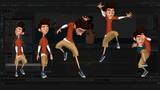
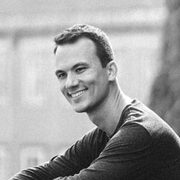
Subtle Performance Workflow Vol. 1, by Ted Lister, covered the preparation for an animated performance shot and detailed the body animation part of the process. In this second volume, Ted Lister continues his lessons with a focus on animating the face, using Kiel Figgins' Sicarius rig, revealing how to marry the work done on the body animation with facial expressions that will create a vibrant and alive performance.
Before jumping into Maya, Ted kicks off five hours of tuition by discussing the basics of facial anatomy, providing a clear understanding of the underlying structure and muscles that allow faces to be emotive. He further teaches how to create a facial pose library, details his lip-sync animation techniques, and shares his industry insights to achieving expressive and convincing results before adding the finishing touches.
Assuming a basic knowledge of Maya, the concepts demonstrated by Ted are not rig-specific; you’ll be able to apply them to any rig with a facial setup — whether cartoony, realistic or otherwise. While Maya is Ted’s software of choice for animation, the core concepts should carry over to the 3D package of your choice.
10 Lessons
This workshop serves as an advanced continuation for artists who have mastered body animation fundamentals and are ready to tackle the complexities of facial performance. By combining anatomical knowledge with practical Maya techniques, Ted Lister provides a comprehensive professional workflow for creating realistic, emotionally compelling facial animation from start to finish.
Duration: 1m 55s

Understanding the underlying muscular structure of the face is fundamental to creating believable character animation. Ted teaches that artists who understand which muscles create which expressions can systematically analyze reference performances and translate them across different character designs.
Duration: 59m 1s

Creating a facial pose library is an investment that significantly streamlines the animation process, particularly for complex characters with many individual controls. While artists might usually hand-craft every frame, using pose libraries allows artists to work more efficiently while maintaining consistency and anatomical accuracy.
Duration: 30m 25s

Creating effective lip sync requires both mechanical precision and natural variation. While specific mouth shapes must align with phonetic sounds, the animation feels believable when artists apply subtle offsets, varied timing, fleshy displacement, and interconnected movement throughout the face. Ted emphasizes starting broad, refining gradually, and always prioritizing what looks right on screen over what the curves show, since realistic facial animation develops through artistic judgment beyond exact reference replication.
Duration: 42m 42s

Successful facial animation in realistic CG requires restraint, selectivity, and attention to subtle detail rather than broad gestures. Ted focuses on doing the minimum necessary to sell the performance, such as allowing sounds to flow naturally between key poses, refining impulses to avoid over-animating, and adding organic imperfections that viewers feel rather than consciously notice.
Duration: 1h 1m 48s

The fundamental lesson of realistic facial animation is restraint and subtlety. Rather than maxing out every phoneme, artists should keep it to 10-30% of the extreme shapes and follow the relaxed way people actually speak. The countless small details may go unnoticed by casual viewers, but their presence ensures believability.
Duration: 36m 43s

This lesson demonstrates that successful facial animation is fundamentally about acting and understanding character psychology rather than technical execution alone. Ted shows that creating believable performances requires artists to think deeply about the gap between what characters say and what they truly feel.
Duration: 32m 28s

To create realistic CG facial animation, Ted explains that artists must use constant, interconnected micro-movements that humans perform unconsciously. While live-action reference provides a foundation, artists must exaggerate and handcraft subtle details, such as muscle tension, eye saccades, and coordinated movements across facial regions, that audiences subconsciously expect.
Duration: 41m 47s

This lesson goes over how realistic facial animation requires understanding the anatomical chain of speech production. Ted describes how chest contraction pushes air through the larynx, which moves through the tongue-shaped oral cavity, and exits through positioned lips to create recognizable phonemes. Rather than simply matching mouth shapes to audio, artists should consider the underlying muscular and anatomical mechanics that produce speech.
Duration: 42m 25s

In the final lesson of this workshop, Ted walks through how animations are never truly finished until artists have critically evaluated how all elements work together as a unified whole. Ted's methodical approach to final polish shows that professional-quality work develops by stepping back, viewing it objectively, and refining it until it is ready for release.
Duration: 20m 51s

Primary tools
For this workshop you’ll need:

* Note that these programs and materials will not be supplied with the course.
Skills Covered
Who’s this Workshop for?
This workshop is intended for intermediate to advanced character animators who want to deepen their understanding of realistic facial animation and elevate their performances to feature-quality standards. It is especially relevant for artists who already have experience animating bodies and are ready to integrate nuanced facial work into complete character performances.
Animators working in film, episodic animation, or cinematic game production will benefit from Ted Lister’s professional workflow and insights. Artists seeking to create expressive, emotionally believable facial animation that works across different rigs and styles will find this workshop particularly valuable.
Learning Outcomes
By completing this workshop, artists will gain a professional understanding of how to craft subtle, lifelike facial performances that complement and enhance body animation.
Key skills include:
- How to understand and apply facial anatomy principles to support expressive animation.
- How to build and use a facial pose library for efficient and consistent workflows.
- How to create natural, believable lip-sync that supports dialogue and subtext.
- How to balance facial movement to avoid stiffness or over-animation.
- How to integrate facial animation seamlessly with existing body performances.
- How to apply facial animation techniques across different rig types and animation styles.
- How to add final polish that brings facial performances to feature-film quality.


