
 Houdini
 Blender
 Nuke
Nuke V-Ray
V-Ray Marmoset Toolbag
 Mari
Mari Marvelous Designer
 Substance Designer
 3ds Max
 3DCoat
 Redshift
 Faceform Wrap
 Lightroom
 After Effects
 OctaneRender
 SpeedTree
 Daz 3D
 Agisoft Metashape
 Fusion
 Modo
Modo RealityCapture
 Gaea
Gaea Cinema 4D
 Gravity Sketch
 Premiere
 Procreate
 Clip Studio Paint
 SketchUp
 SketchBook
 Katana
 Natron
 Mudbox
 Quixel Bridge
 Quixel Megascans
 Quixel Mixer
 Substance 3D Modeler
 World Creator
 Yeti
Yeti Ziva VFX
 Mixamo
 Adobe Medium
 Quixel DDO
 xNormal
 Meshmixer
 Storyboard Pro
 DaVinci Resolve
 TreeIt
 World Machine
 Gaffer
 Corel Painter
 SynthEyes
 Krita
Krita Massive
 Materialize
 Unity
Unity Ornatrix
 PreForm
 Moi 3D
 animBot
 QuickTime
 ReCap
ReCap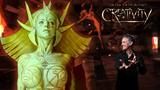
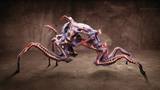
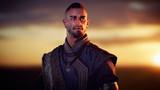



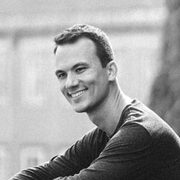
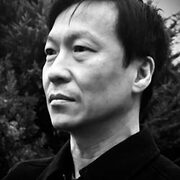






Ehsan Bigloo demonstrates how he designs creatures for the entertainment industry. Whether you’re a character or creature designer, concept artist, digital sculptor, or simply interested in developing your storytelling skills, this workshop is a fascinating insight into Ehsan’s complete workflow, from sketch to final presentation.
The workshop begins with a detailed look at a design brief and short script based on Ehsan’s own sci-fi/supernatural horror character, “Quehsalien.” He explains his thought process when developing words into a visual narrative, and the initial sketching begins with traditional media before jumping into Photoshop, where he then lays down a paint-over to establish the basis for the final illustration.
ZBrush is brought into the pipeline to sculpt the primary and secondary forms of the design, testing the visual appeal from a three-dimensional standpoint. ZBrush also serves as a great tool for testing the lighting and mood of the character using KeyShot and creating a simple rig for the creature model for early limb locomotion tests. Ehsan also uses ZBrush for the Polypainting process while considering what the environment of the creature would be and how it would move. The final design is then rendered with KeyShot and composited in Photoshop.
Diving deep into the art direction, Ehsan demonstrates how to create keyframe artwork using real photographic plates and how to set up the lighting for creature shots, discussing everything from camera lens to color harmony. Continuing the art direction, Ehsan explores different design routes, first using ZBrush and Photoshop while offering his professional industry insights. He also uses Maya to set up a quick, non-production joint/skeleton rig and make simple locomotion tests in Maya before rendering with Arnold.
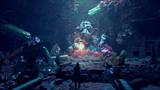
In the final stage of the workshop, Ehsan prepares the model in ZBrush and then bakes maps in Substance Painter before sending the creature to Unreal Engine 5, where he explores other shot designs and set-dressing, mood, and lighting with Lumen to bring the creature to life.
8 Lessons
Ehsan Bigloo talks through professional creature design, revealing that it's a process rooted in storytelling, extensive research, and cross-departmental collaboration. Ehsan shows that taking time to sketch traditionally to solve fundamental design problems, such as joint placement, proportions, and movement, lays a stronger foundation than jumping immediately into digital illustrations. Success comes from balancing artistic creativity with practical considerations of how the creature will be built, animated, and filmed, always keeping the story and character brief as the guiding framework.
Duration: 21m 46s

In this lesson, Eshan emphasizes that successful creature design relies more on foundational art principles, anatomical understanding, and exploration than on technical mastery of any specific 3D software. Ehsan demonstrates that designs can and should be resolved in grayscale 3D with clear silhouettes before adding color or excessive detail, as this ensures the core concept communicates effectively. Ehsan's workflow shows that constantly referencing story requirements, combined with disciplined restraint in progressing from primary to secondary to tertiary forms, produces more cohesive and functional creature designs.
Duration: 59m 7s

In this lesson, Bigloo guides you through how a successful creature design relies more on foundational knowledge and artistic principles than technical perfection. The instructor emphasizes that understanding real-world anatomy, maintaining strong design fundamentals (silhouette, balance, form relationships), and working efficiently within your strengths produces better results than chasing industry-standard technical workflows. The central concept is to know the rules well enough to break them intentionally, use references intelligently rather than inventing everything, and choose tools that allow you to finish and deliver work within deadlines rather than getting lost in learning new software.
Duration: 24m 46s

Throughout this lesson, Ehsan demonstrates how multiple disciplines, including sculpting, painting, lighting, and composition, result in successful creature design. Ehsan's approach of building up layers gradually while constantly referencing nature and real-world photography produces believable, professional results. Most importantly, the emphasis on working methodically ensures quality control at each step and prevents having to Photoshop major issues later.
Duration: 31m 33s

This lesson shows how effective creature compositing relies less on excessive painting and more on strategic use of render passes, non-destructive workflows, and strong artistic direction. Ehsan emphasizes that spending time on proper poly-painting in ZBrush allows for faster, more controlled compositing in Photoshop. He shows when to prioritize emotional impact and composition over literal accuracy, especially when designing shots that serve a specific story moment.
Duration: 25m 4s

This lesson illustrates the iterative reality of professional creature design, where flexibility and rapid exploration are essential skills. Ehsan demonstrates that even after establishing a strong initial design, being open to client feedback and technological tools can lead to improved or alternative solutions. Artists learn to maintain design fundamentals while efficiently exploring variations, keeping the overall narrative and visual cohesion in mind, and ultimately trusting their judgment to advocate for the strongest design direction.
Duration: 33m 2s

In this lesson, Ehsan examines how effective creature presentation relies more on strong cinematography, lighting, and staging principles than technical perfection in modeling or rigging. Ehsan's philosophy emphasizes emotional impact through compositional choices, camera angles, and atmospheric lighting, while demonstrating broad pipeline knowledge that enables concept artists to quickly visualize and communicate creature designs in context. The workflow balances technical efficiency with artistic experimentation, showing that technical execution combined with visual fundamentals can produce compelling results.
Duration: 27m 13s

This final lesson demonstrates an efficient pipeline for concept designers to take creature designs from sculpting through texturing to final cinematic presentation. Ehsan's approach prioritizes artistic vision and rapid iteration over technical perfection, showing how Unreal Engine's real-time capabilities allow designers to experiment with lighting, atmosphere, and camera work to achieve compelling results that serve the narrative. This workflow is accessible to artists who may not be technical experts in each individual software, but who can leverage these tools effectively for art direction and visual development.
Duration: 31m 18s

Primary tools
For this workshop you’ll need:


* Note that these programs and materials will not be supplied with the course.
Skills Covered
Who’s this Workshop for?
This workshop is designed for intermediate to advanced character and concept artists, as well as digital sculptors in the entertainment industry, who are ready to take their skills to the next level. Artists already familiar with basic 3D modeling and digital painting will gain the most from Ehsan Bigloo's professional workflow techniques.
Digital artists eager to expand their creature design expertise and storytelling abilities will find immense value in this workshop. Covering everything from traditional sketching to final engine implementation, the course provides practical, hands-on insights that will strengthen artists creativity and professional presentation.
Learning Outcomes
When artists complete this workshop they will have mastered a complete creature design pipeline from initial concept sketches to final presentation-ready assets.
Key skills include:
- How to translate written briefs and scripts into compelling visual narratives and character concepts.
- How to merge traditional sketching with digital paint-overs to establish strong design foundations.
- How to use ZBrush for primary and secondary form sculpting while testing visual appeal.
- How to create keyframe artwork using photographic plates and professional lighting setups for creatures.
- How to establish simple rigs in Maya for locomotion testing and Arnold rendering workflows.
- How to prepare models in ZBrush and bake maps in Substance Painter efficiently.
- How to implement creatures in Unreal Engine 5 with proper lighting and environmental integration.


