
 Photoshop
 ZBrush
 Houdini
 Substance Painter
 Blender
 Unreal Engine
 Arnold
 Nuke
Nuke KeyShot
 V-Ray
V-Ray Marmoset Toolbag
 Mari
Mari Marvelous Designer
 Substance Designer
 3ds Max
 3DCoat
 Redshift
 Faceform Wrap
 Lightroom
 After Effects
 OctaneRender
 SpeedTree
 Daz 3D
 Agisoft Metashape
 Fusion
 Modo
Modo RealityCapture
 Gaea
Gaea Cinema 4D
 Gravity Sketch
 Premiere
 Procreate
 Clip Studio Paint
 SketchUp
 SketchBook
 Katana
 Natron
 Mudbox
 Quixel Bridge
 Quixel Megascans
 Quixel Mixer
 Substance 3D Modeler
 World Creator
 Yeti
Yeti Ziva VFX
 Mixamo
 Adobe Medium
 Quixel DDO
 xNormal
 Meshmixer
 Storyboard Pro
 DaVinci Resolve
 TreeIt
 World Machine
 Gaffer
 Corel Painter
 SynthEyes
 Krita
Krita Massive
 Materialize
 Unity
Unity Ornatrix
 PreForm
 Moi 3D
 animBot
 QuickTime
 ReCap
ReCap
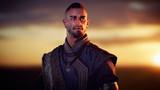

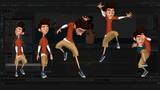











Sharpen your scripting skills as we delve into modular rigging with Python in this 3-hour workshop created for riggers and aspiring coders. The objective is to create a one-click solution for rigging bipeds, with the potential for customization to suit other types of characters, pipelines, and project requirements.
Nick Miller, Creature Supervisor at DNEG, introduces a comprehensive library of code and explores the moderate-to-complex components of Python, Object Oriented Programming, and rigging. Building your own modular rigging system gives you several advantages; not only does it save you significant time, but it also enhances your problem-solving skills and prepares you to contribute to a company's rigging toolset.
Watch as Nick leverages Maya's standardized human IK skeleton as a template by using it as a foundation to build rigs. This technique helps you to incorporate motion-capture data to drive your rigs. To showcase the system, Nick utilizes a downloadable character from Mixamo and then applies his tools to generate a fully functional rig before applying motion capture as keyframes onto the rig's controls. Additionally, Nick instructs how to organize rigs in a game-engine-friendly manner, allowing for easy export of the skeleton and character mesh.
Upon completing this workshop, subscribers will have learned essential rigging techniques, including building a modular rigging system with Python, the basics of Maya's human IK skeleton, how to apply motion-capture data, and how to export rigs for game engines.
Project files provided with this workshop give students a reference or guideline to follow. The downloadable project files include Nick’s asset build folders for three characters, including models, guides, textures, scripts, weights, and controls, as well as his modular rigging package (nmrig and grig).
18 Lessons
In this workshop, Nick Miller provides a comprehensive foundation for creating production-ready and modular auto-rigging systems that are both powerful and flexible. Nick explains that by understanding the underlying code and structure rather than simply using pre-made tools, rigging artists gain the ability to troubleshoot problems, customize systems, and contribute meaningfully to studio pipelines. The modular approach demonstrated here can be adapted to rig virtually any character type and seamlessly integrates with motion capture workflows and game engine exports.
Duration: 25m 33s

This lesson establishes the foundational architecture for a professional Maya rigging system using Python. By organizing scripts into a logical directory hierarchy and utilizing Python's package system, rigging artists can create modular, reusable code that can be called from anywhere within the system. This system enables efficient development of complex character rigs while maintaining clean, maintainable code that avoids duplication.
Duration: 12m 40s

In this lesson, Nick explains how object-oriented programming principles create efficient, modular rigging systems in Maya. By using class inheritance, he demonstartes how to build reusable and flexible code structures that minimize duplication while maintaining flexibility. Nick's workflow provides a foundation for creating scalable rigging systems where components like limbs, controls, and FK chains can be organized and efficiently deployed across multiple rig instances.
Duration: 9m 2s

In this lesson, Nick discusses and builds the control library system that will be used throughout this rigging system. By separating functionality into modular classes and storing curve data as JSON files, the system creates a flexible, reusable framework for building rig controls with standardized naming, grouping and metadata. Nick encourages hands-on practice and artists to create their own custom controls.
Duration: 18m

In this lesson, Nick establishes the core architecture for a scalable rigging system that will serve as the foundation for building all character body parts. By creating reusable base classes and setting up inheritance patterns, the system allows for consistent naming conventions and automated processes that can be used during the rigging process. With the root module implemented, the full framework is validated, preparing the pipeline for additional body part modules, like chest and hips, in upcoming lessons.
Duration: 12m 37s

In this lesson, Nick works on adding the chest and hip components to the modular rig, leveraging existing code. While these modules appear to be simple transforms driving joints, they set up crucial systems that will later drive more complex rigging functionality and provide animators with more control. The next lesson builds upon this foundation by going over and introducing FK and IK systems.
Duration: 4m 57s

This lesson demonstrates professional rigging practices by building reusable, class-based FK and IK systems with advanced features like stretch, twist, and bendy deformation. Nick's approach for building these systems allows rigging artists to combine different systems flexibly while maintaining clean hierarchies. These systems provide a solid base for character rigging that can be extended with additional features, encouraging rigging artists to continue developing and customizing their tools.
Duration: 18m 32s

In this lesson, Nick builds a biped limb module, which combines FK and IK systems into one cohesive setup, including artist-friendly switching capabilities between the two types. This approach eliminates the need to manually manage separate systems and provides animators with flexible control over limb animation. The module serves as the foundation for rigging other character parts, like arms.
Duration: 3m 44s

This lesson focuses on building an anatomically informed clavicle rig module as part of a larger character rigging system. When adding this module, Nick looks to balance unrealistic clavicle twisting with optional twist control and stretch features, representing real anatomy as much as it needs to look convincing while being easy for animators to use.
Duration: 4m 26s

In this lesson, Nick builds the hand and foot modules, critical components of a complete character rig, providing the foundation for realistic limb animation through IK/FK switching and specialized control systems. While these modules don't accomplish much independently, they become essential once connected to limbs and skinned to the character.
Duration: 3m 53s

In this lesson, Nick covers the creation of the spine module, using professional-level character rigging techniques and combining multiple control systems to give animators maximum flexibility. The spline-based approach with optional FK controls and sophisticated mid-control blending provides both organic spline deformation and precise FK control options.
Duration: 12m 2s

In this lesson, Nick continues building the neck module, leveraging previously established spine rigging techniques, while introducing FK offset functionality for additional control. He also introduces FK offset functionality for additional control, demonstrating how the neck rig provides animators with flexibility. Nick's setup represents a practical application for rigging fundamentals that will integrate smoothly with the final component in the system.
Duration: 1m 59s

In this lesson, Nick creates the head module. Working with the spine and neck systems, Nick integrates the head quickly and moves on to finalizing the rig package itself. During the process, he makes visual refinements (control colors), functional connections (IK/FK switching, visibility toggles), organizational improvements (hierarchy setup, rig plugs), and checks for overall quality or bugs.
Duration: 2m 45s

In this lesson, Nick works on building his final script, working on the cleanup and organization phase of character rigging, tying together all components created earlier. By implementing color coding and comprehensive visibility controls, the script creates a user-friendly rig that allows animators to easily manage complex character setups. The modular approach Nick uses ensures adaptability for future rig modifications.
Duration: 5m 15s

This lesson completes the core automated rigging system by establishing all the connections between rig modules and creating a clean, hierarchical structure. The finalized rig consolidates skeleton assembly, constraint setup, space switching, attribute transfers, and set creation into a single automated process. The next steps involve cleaning up control shapes and implementing a system to save and load skin weights and control shape data for future builds.
Duration: 12m 10s

In this lesson, Nick completes his automated rigging system, demonstrating how a data-driven approach can dramatically speed up character rig creation. By exporting and re-importing skin weights and control shapes, he shows how rigging artists can preserve their artistic work while retaining the freedom to rebuild and iterate on rigs efficiently. The result is a foundational rig that artists can expand upon to fit their specific rigging needs.
Duration: 5m 49s

In this lesson, Nick provides a comprehensive workflow for integrating motion capture data into a custom animation rig using Maya. Showcasing two methods of motion capture transfer for Mixamo animations, he discusses why artists may balance more precise control and accurate retargeting, over a quicker but less flexible approach.
Duration: 16m 29s

In this final lesson, Nick demonstrates a complete pipeline from motion capture rigging in Maya to implementation in Unreal Engine. He shows how multiple characters can be rigged efficiently using scripted workflows, have their animations baked and exported, and work together in a game engine environment. This approach to rigging and scripting provides a foundation for efficient character animation workflows in game development and real-time applications.
Duration: 19m 11s

Primary tools
For this workshop you’ll need:

* Note that these programs and materials will not be supplied with the course.
Project Files
By downloading these workshop files, you'll get access to the full project featured in the workshop, along with everything you need to follow along with Nick Miller's lessons. In this package, you'll find:
- 3D assets – The full character models from this workshop, which come with everything from textures to rig data
- Images - A folder with overlaid informative images used in the workshop, and organized by lesson, so the information is accessible to you
- Additional rig examples - Unique rig builds, showcasing Nick Miller's teachings
Skills Covered
Who’s this Workshop for?
This workshop is curated for riggers and 3D generalists with moderate-level Python experience who want to advance their technical skills. It's ideal for professionals working in animation, VFX, and game development who need efficient, fully adaptable rigging solutions for production environments.
The lessons presented here by Nick Miller present enhanced problem-solving skills for rigging and prepare viewers to develop and contribute meaningfully to established studio rigging applications, making this workshop a valuable tool for career advancement in technical roles. For animators, the lessons shown will also help with streamlining their creative pipeline.
Learning Outcomes
By completing this workshop, artists will have developed a comprehensive modular rigging system using Python and object-oriented programming principles for bipedal characters.
Key skills include:
- How to build a modular rigging system using Python and Object Oriented Programming techniques.
- How to leverage Maya's standardized HumanIK skeleton as a foundation for custom rigs.
- How to integrate motion capture data effectively to drive rigged character animations seamlessly.
- How to organize and structure rigs for game-engine compatibility and efficient export workflows.
- How to create one-click rigging solutions that can be customized for different character types.
- How to develop comprehensive rigging libraries and toolsets for production pipeline integration.


