
 Photoshop
 ZBrush
 Houdini
 Substance Painter
 Blender
 Unreal Engine
 Arnold
 Nuke
Nuke KeyShot
 V-Ray
V-Ray Marmoset Toolbag
 Mari
Mari Marvelous Designer
 Substance Designer
 3ds Max
 3DCoat
 Redshift
 Faceform Wrap
 Lightroom
 After Effects
 OctaneRender
 SpeedTree
 Daz 3D
 Agisoft Metashape
 Fusion
 Modo
Modo RealityCapture
 Gaea
Gaea Cinema 4D
 Gravity Sketch
 Premiere
 Procreate
 Clip Studio Paint
 SketchUp
 SketchBook
 Katana
 Natron
 Mudbox
 Quixel Bridge
 Quixel Megascans
 Quixel Mixer
 Substance 3D Modeler
 World Creator
 Yeti
Yeti Ziva VFX
 Mixamo
 Adobe Medium
 Quixel DDO
 xNormal
 Meshmixer
 Storyboard Pro
 DaVinci Resolve
 TreeIt
 World Machine
 Gaffer
 Corel Painter
 SynthEyes
 Krita
Krita Massive
 Materialize
 Unity
Unity Ornatrix
 PreForm
 Moi 3D
 animBot
 QuickTime
 ReCap
ReCap










11 Lessons
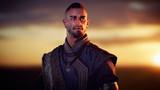
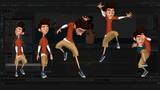
In this workshop, Jason Shum provides a professional framework for creating combat animations in games through a three-pass approach. Jason points out that while poses and timing are important, the polish pass is what truly elevates animation quality. The method presented offers both beginners and experienced artists a clear roadmap for creating compelling combat sequences.
Duration: 2m 13s

This lesson emphasizes that successful combat animation requires thorough planning and context before any animation work begins. By regularly asking questions about personality, character type, movement characteristics, and camera perspective, artists can create more cohesive combat sequences that enhance gameplay rather than work against it.
Duration: 7m 19s

This lesson takes a look at the character rig and its control systems. Isolating body parts to control them individually helps artists to preserve carefully crafted poses while still being able to make adjustments. This level of control is essential for creating any kind of animation, particularly professional-quality character work.
Duration: 4m 46s

This lesson emphasizes that planning key poses is a crucial first step for creating compelling combat animation. Shooting reference video enables artists to identify weight shifts and contact points, offering a more reliable method for creating believable, fluid combat sequences. By understanding how to break down any combat move into individual poses, artists can approach combat animation with confidence and consistency across different projects and fighting styles.
Duration: 18m 29s

This lesson demonstrates that by establishing a solid foundation, using appropriate constraints for weapons, and ensuring that poses read clearly from all angles, animators can create combat sequences that serve gameplay needs. Jason’s approach proves that successful game animation requires balancing technical considerations with artistic choices that match the character's style and the game's genre.
Duration: 27m 55s

This lesson emphasizes that strong key poses are the foundation of any animation and must be perfected before moving forward. Even when working in spline mode with interpolation visible, the focus should remain on whether individual key poses properly convey the intended attitude, power, and personality of the action. By utilizing anticipation, hit, and settle poses, and constantly checking silhouettes and body mechanics, artists can ensure their work has a solid foundation that will support further refinement.
Duration: 33m 15s

This lesson emphasizes that successfully blocking animation requires maintaining clear readability between the main poses. Being willing to add additional key poses when transitions feel unclear is more important than sticking to an initial plan. The animation must communicate clearly to any viewer, not just the artist who understands the intended action, making external feedback and honest self-assessment critical skills in the process.
Duration: 32m 29s

This lesson emphasizes that key poses represent the foundational stage of animation, determining the success of the entire sequence. It is important to take time to ensure that every pose feels powerful and iconic. Before proceeding to timing and breakdowns, artists must be confident in their key poses.
Duration: 49m 48s

This lesson demonstrates how to take the static poses and transition them into dynamic movement. Experimenting with timing and making use of animation layers helps to refine the animation. The next phase of the work will focus on adding major breakdowns and building overlaps to further flesh out the blocky key-pose animation into smooth, polished combat movements.
Duration: 25m 36s

This lesson demonstrates how second-pass animation transforms stiff, first-pass work into fluid motion, through careful attention to timing offsets, drag, and overlap. The key is not changing the fundamental story, or the key poses, but refining how the character moves between them. This pass represents the difference between technically correct animation and compelling character performance.
Duration: 26m 42s

The final lesson in the workshop demonstrates the polish pass, refining the animation while maintaining the intentional feel of movements. By using tools like locators and motion trails, artists can improve arcs and spacing throughout their work. However, knowing when to apply smoothing and when to preserve sharp, deliberate movements is crucial to the overall effectiveness of the animation.
Duration: 25m 28s

Primary tools
For this workshop you’ll need:

* Note that these programs and materials will not be supplied with the course.
Project Files
This workshop provides access to Jason Shum's project files. Inside the download, you'll find:
- Bounty Hunter rig & textures (.ma, .tga) – Fully rigged and textured character for use within Maya
- Poses (.ma) - Jason Shum's key poses for artists to dissect and experiment with - The instructor has provided the project files to make it easier to follow along with the workshop or jump to the specific techniques you want to study. –
Skills Covered
Who’s this Workshop for?
This workshop is designed for intermediate to advanced 3D animators working in games, film, or TV seeking to elevate their combat animation skills. Jason Shum's training particularly valuable for character animators seeking to master the professional workflows used at top-tier studios like Riot Games.
Junior animators and students with basic Maya knowledge will also benefit from Jason's industry-standard animation principles. The step-by-step methodology provides a clear roadmap for developing dynamic action sequences, while the professional insights offer valuable career development for animators transitioning into senior roles.
Learning Outcomes
On completing this workshop, artists will have a professional combat animation workflow from initial concept through to final polish using industry-proven techniques.
Key skills include:
- How to develop compelling combat ideas that showcase personality, energy, and flow.
- How to use reference material to enhance combat animation sequences.
- How to create strong key poses that communicate power, aggression, and clear storytelling.
- How to apply aggressive timing principles to maximize impact and visual excitement.
- How to execute first, second, and polish passes.
- How to utilize breakdown keys and arc principles to create fluid combat movements.
- How to use the Bounty Hunter rig in Maya.
- How to apply retiming techniques to enhance dramatic impact in action sequences.


