
 Photoshop
 Maya
Maya ZBrush
 Houdini
 Substance Painter
 Blender
 Unreal Engine
 Arnold
 Nuke
Nuke KeyShot
 V-Ray
V-Ray Marmoset Toolbag
 Mari
Mari Marvelous Designer
 Substance Designer
 3ds Max
 3DCoat
 Redshift
 Faceform Wrap
 Lightroom
 After Effects
 OctaneRender
 SpeedTree
 Daz 3D
 Agisoft Metashape
 Fusion
 Modo
Modo RealityCapture
 Gaea
Gaea Cinema 4D
 Gravity Sketch
 Premiere
 Procreate
 Clip Studio Paint
 SketchUp
 SketchBook
 Katana
 Natron
 Mudbox
 Quixel Bridge
 Quixel Megascans
 Quixel Mixer
 Substance 3D Modeler
 World Creator
 Yeti
Yeti Ziva VFX
 Mixamo
 Adobe Medium
 Quixel DDO
 xNormal
 Meshmixer
 Storyboard Pro
 DaVinci Resolve
 TreeIt
 World Machine
 Gaffer
 Corel Painter
 SynthEyes
 Krita
Krita Massive
 Materialize
 Unity
Unity Ornatrix
 PreForm
 Moi 3D
 animBot
 QuickTime
 ReCap
ReCap






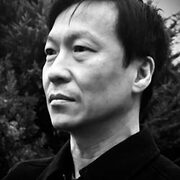








Senior Concept Artist Joe Gloria shares how he uses 3D-Coat, ZBrush, and KeyShot to create detailed 3D spaceship designs, keeping his process as simple as possible for artists of all levels to follow along. Artists looking to develop their 3D design workflow will benefit from the techniques and workflow shared in this workshop, which culminates in a 360-degree turntable of a sci-fi vehicle.
3D-Coat is used for the initial block-out of the shapes before Joe takes the design into ZBrush for more detailed hard-surface modeling work, and where the design really comes to life. Joe explains how you can utilize ZBrush in concept art for quickly upgrading designs that can be presented from all angles.
Whether you work or aspire to work in movies or games, this workshop teaches you how to create perfectly controlled and detailed designs suitable for production. Joe also discusses how you can take steps to optimize your concepts so they are as close to the final product as possible.
As well as learning Joe’s workflow for creating portfolio-worthy turntables, you’ll develop a sound understanding of the importance of form, balance, and curves in your designs. You’ll also gain a better understanding of how your color choices impact your designs and how to maintain flexibility throughout the design process.
Accompanying this workshop is a collection of Joe’s 3D-Coat, ZBrush, KeyShot, and Photoshop files, to assist with your learning experience.
8 Lessons
This first lesson represents a practical approach for concept designers who need to balance creative iteration with production efficiency. By separating the modeling process into distinct phases with specific purposes, designers can learn how to maintain flexibility for client revisions while building a library of reusable components. Joe Gloria explains why preserving the simple blockout model as a foundation supports both iteration and asset reuse across projects.
Duration: 2m 26s

This 3D-Coat lesson establishes a foundational hard-surface modeling workflow by focusing on a handful of powerful tools rather than the software's extensive feature set. Joe's approach demonstrates how 3D-Coat's volume-based modeling complements ZBrush's surface-based sculpting, allowing artists to leverage each software's strengths. By mastering these core tools (cuts, pose, primitives, and layer operations), users can learn how to efficiently create complex hard-surface objects, such as a bullet, preparing them for the upcoming spaceship modeling project.
Duration: 21m 32s

This lesson provides a foundational workflow for ZBrush beginners working on hard-surface models, such as spaceships. Joe's emphasis is on shape development using simple tools (Move and Smooth) while mastering essential operations, such as Subtool management, masking, and mesh optimization. By understanding how to separate, merge, and refine model parts while controlling polygon density, artists can learn how to efficiently transition between ZBrush and other 3D applications, such as Cinema 4D.
Duration: 8m 3s

This lesson demonstrates that successful hard-surface modeling requires patience, careful observation, and iterative refinement rather than rigid adherence to initial concepts. Joe's workflow focuses on technical precision, particularly in maintaining clean geometry, proper surface thickness, and believable mechanical details, while remaining flexible enough to improve the design as it develops. By understanding each software's strengths and maintaining organized layers with preserved base shapes, complex sci-fi designs can be built efficiently and modified easily throughout the creative process.
Duration: 45m 49s

This lesson emphasizes that successful hard-surface modeling in ZBrush relies on organization, strategic detailing, and balance. By combining efficient workflows (such as Decimation Master), high-quality tools (Jonas Rangard alphas and IMM brushes), and a product designer's mindset, artists can learn how to create believable mechanical objects. Joe explains why thoughtful placement of details can create the illusion of real, manufactured objects ready for texturing and rendering.
Duration: 10m 3s

This comprehensive KeyShot lesson emphasizes the importance of establishing a lighting environment before finalizing materials and demonstrates both realistic and stylized rendering approaches. Joe's workflow shows that effective 3D rendering requires iterative testing, especially when exploring different visual styles, such as switching from realistic HDR-lit renders to toon shaders. His process of continuously refining colors through Photoshop compositing tests demonstrates why rendering is not a linear process but rather an experimental journey toward achieving the desired visual impact for your 3D model presentation.
Duration: 11m 50s

This lesson completes Joe's spaceship modeling project by demonstrating professional post-production techniques in Photoshop for turntable presentations. His workflow emphasizes checking render integrity, applying consistent color grading, and using proper layer conversion techniques for video editing. The result is a polished 360-degree presentation that matches his existing spaceship portfolio, ready for export and showcase.
Duration: 2m 15s

In this final lesson, Joe explains why it's important to prioritize experimentation and flexibility over perfectionism, emphasizing that trying new approaches — even without guaranteed results — leads to growth and learning. His 360-degree rendering provides valuable insights for expanding his spaceship series and improving future projects. He ends with a discussion on why it's critical to value the creative process, trust in your design skills, and remain open to iteration.
Duration: 1m 49s

Primary tools
For this workshop you’ll need:
Project Files
This workshop provides artists with access to the project file Joe Gloria uses in the workshop to support the learning process. Artists will have access to:
- ZBrush UI & hotkeys (.hotkeys, .cfg) – Custom UI and hotkeys to make things quick and easy
- Photoshop project file (.psd) - The layered source file so artists can see exactly how the final artwork was built and make their own modifications
- Reference images (.jpg) - The finished spaceship design for study and inspiration
- KeyShot render file (.ksp) - The complete scene showing Joe's rendering process - The project files are provided by the instructor as a courtesy to give artists additional hands-on practice while following the demonstrated workflow. –
Skills Covered
Who’s this Workshop for?
This workshop is designed for concept artists and 3D designers working in film and game development who want to streamline their spaceship design workflow. Artists with basic familiarity in 3D-Coat, ZBrush, and KeyShot will find Joe Gloria's simplified approach particularly valuable for creating production-ready vehicle concepts.
Aspiring concept artists and digital sculptors looking to break into the entertainment industry will also benefit significantly from this workshop. Joe demonstrates essential skills in hard-surface modeling, professional presentation techniques, and industry-standard workflows, all directly applicable to studio environments and portfolio development.
Learning Outcomes
On completing this workshop, artists will have developed a comprehensive 3D concept art pipeline for creating detailed, production-ready spaceship designs with professional presentation standards.
Key skills include:
- How to use 3D-Coat for efficient initial block-out and basic shape establishment.
- How to leverage ZBrush for detailed hard-surface modeling and design refinement techniques.
- How to create compelling 360-degree turntables using KeyShot for professional client presentations.
- How to maintain design flexibility while progressing from concept to final production-ready asset.
- How to optimize color choices and lighting to enhance visual impact in presentations.
- How to balance form, curves, and proportions for believable sci-fi vehicle designs.


