
 Photoshop
 Maya
Maya ZBrush
 Substance Painter
 Blender
 Unreal Engine
 Arnold
 Nuke
Nuke KeyShot
 V-Ray
V-Ray Marmoset Toolbag
 Mari
Mari Marvelous Designer
 Substance Designer
 3ds Max
 3DCoat
 Redshift
 Faceform Wrap
 Lightroom
 After Effects
 OctaneRender
 SpeedTree
 Daz 3D
 Agisoft Metashape
 Fusion
 Modo
Modo RealityCapture
 Gaea
Gaea Cinema 4D
 Gravity Sketch
 Premiere
 Procreate
 Clip Studio Paint
 SketchUp
 SketchBook
 Katana
 Natron
 Mudbox
 Quixel Bridge
 Quixel Megascans
 Quixel Mixer
 Substance 3D Modeler
 World Creator
 Yeti
Yeti Ziva VFX
 Mixamo
 Adobe Medium
 Quixel DDO
 xNormal
 Meshmixer
 Storyboard Pro
 DaVinci Resolve
 TreeIt
 World Machine
 Gaffer
 Corel Painter
 SynthEyes
 Krita
Krita Massive
 Materialize
 Unity
Unity Ornatrix
 PreForm
 Moi 3D
 animBot
 QuickTime
 ReCap
ReCap








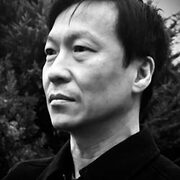








Discover how to build a fully functional waterwheel with an integrated fluid simulation in this comprehensive 4-hour Houdini video tutorial. Whether you’re just starting out in Houdini or are an experienced user, this helpful tutorial by VFX artist David Silberbauer is packed with tips and tricks that will be enjoyable for all experience levels.
This detailed Houdini workshop showing how to build a completely procedural waterwheel system covers numerous procedural techniques for manipulating geometry and simulations. He explains how to randomize attributes to create realistic and believable results as well as how to customize velocities for creating robust fluid simulations. The workshop also details how to use vorticity for meshing and white water, and shows how to turn your setups into Houdini Digital Assets (HDAs). David’s complete process is detailed through easy-to-digest chapters, along with his thought process along the way, to help guide you to making more effective and efficient choices when working in Houdini.
By following this workshop, you’ll learn how to be more productive in your Houdini scenes and explore how working in a procedural way will save time and allow you to be more efficient at iterating production shots. You’ll finish this workshop feeling confident in planning and building your own procedural systems going forward.
Provided with this workshop is a Houdini apprentice file with the procedural waterwheel asset.
9 Lessons
This workshop establishes a professional approach to procedural modeling and simulation in Houdini. The goal is to create a functional waterwheel system that balances visual complexity with performance, enabling artists to make changes quickly and efficiently without being bogged down by technical constraints. Proper preparation and a clear road map can aid in streamlining the creation of complex, simulation-integrated assets.
Duration: 8m 7s

This introductory lesson reveals that procedural modeling is a workflow that requires detailed strategic planning but offers great flexibility and efficiency. While they may feel slower and may not be appropriate for every task, procedural workflows enable artists to make changes quickly, respond to client feedback effortlessly, and create systems that can generate infinite variations with consistent, predictable results.
Duration: 15m 55s

This lesson covers setting up the foundation for the waterwheel in Houdini. Using a parameter-driven, modular workflow enables artists to edit the asset by updating a single parameter, which automatically propagates throughout the entire structure.
Duration: 47m 8s

In this lesson, David Silberbauer continues to demonstrate how to create a procedural waterwheel in Houdini. Subtle details like randomized panel counts and slight variations between planks contribute to the realism of the asset. Combining procedural generation with imported assets allows for easy iteration and customization while saving time in building complex mechanical structures.
Duration: 45m 41s

This lesson focuses on the creation of the waterwheel’s trough system. By using relative references, attribute manipulation, and grouping, the setup automatically adjusts when the base parameters are changed. This procedural approach sets the foundation for the upcoming water simulation, ensuring that collision geometry and particle systems will update as the design of the waterwheel evolves.
Duration: 1h 6m 17s

This lesson introduces a professional approach to fluid simulation in Houdini, prioritizing procedural workflows and control over convenience. By building collision systems, velocity fields, and volume bounds from scratch, artists gain control over their simulations and can easily update designs. The fluid setup creates realistic interactions with the waterwheel that can be cached and refined for final production renders.
Duration: 41m 9s

This lesson continues to the process of creating realistic water simulations in Houdini. Using the same vorticity for both mesh refinement and whitewater generation creates a cohesive, believable result while maintaining performance. Keeping simulations simple and procedural sets up a foundation for creating a more user-friendly Houdini Digital Asset (HDA) in the following lessons.
Duration: 30m 46s

This lesson explores how creating HDAs in Houdini transforms complex procedural systems into powerful, reusable tools that dramatically improve workflow efficiency. By organizing parameters, artists and teams can make changes quickly without navigating complex node networks. The ability to instance multiple variations and adjust parameters on the fly make HDAs essential for production environments where speed and flexibility are crucial.
Duration: 17m 57s

The final lesson of the workshop summarizes how procedural workflows can help to create flexible, production-ready assets that can adapt to changing creative requirements. By mastering these techniques and learning to combine them effectively, artists can significantly improve efficiency in professional production environments.
Duration: 4m 44s

Primary tools
For this workshop you’ll need:

* Note that these programs and materials will not be supplied with the course.
Project Files
This workshop provides project files for artists to download. They’ll get access to David Silberbauer's Houdini-based procedural workflow package. Inside, artists will find:
- Houdini digital assets (.hdanc) – Procedural tools and nodes artists can directly use in their own projects
- Houdini project files (.hipnc) - Complete scene files to practice the workshop’s full workflow and setup process
- 3D models (.fbx) - Pre-made drive shaft to import into Houdini - These project files are provided by the instructor for hands-on practice as artists work through the lessons. –
Skills Covered
Who’s this Workshop for?
This workshop is designed for Houdini artists of all experience levels, from beginners taking their first steps into procedural workflows to seasoned VFX professionals looking to expand their simulation and asset creation skills.
3D artists and generalists seeking to learn procedural workflows within production pipelines will benefit significantly from this hands-on training. The workshop's focus on creating reusable procedural assets and optimizing workflows makes it invaluable for anyone looking to streamline their Houdini scene management and boost productivity.
Learning Outcomes
By completing this workshop, artists will gain a solid understanding of how to create a procedural waterwheel system with integrated fluid simulations and reusable digital assets.
Key skills include:
- How to build fully procedural waterwheel geometry using advanced Houdini modeling techniques and workflows.
- How to integrate realistic fluid simulations with mechanical geometry for believable water interactions.
- How to randomize attributes effectively to create natural variation and realistic visual results.
- How to customize fluid velocities and parameters for robust, production-ready water simulation setups.
- How to implement vorticity techniques for enhanced meshing and dynamic white water generation effects.
- How to convert complex procedural setups into reusable Houdini Digital Assets for production efficiency.


