
 Maya
Maya ZBrush
 Houdini
 Substance Painter
 Blender
 Unreal Engine
 Arnold
 Nuke
Nuke KeyShot
 V-Ray
V-Ray Marmoset Toolbag
 Mari
Mari Marvelous Designer
 Substance Designer
 3ds Max
 3DCoat
 Redshift
 Faceform Wrap
 Lightroom
 After Effects
 OctaneRender
 SpeedTree
 Daz 3D
 Agisoft Metashape
 Fusion
 Modo
Modo RealityCapture
 Gaea
Gaea Cinema 4D
 Gravity Sketch
 Premiere
 Procreate
 Clip Studio Paint
 SketchUp
 SketchBook
 Katana
 Natron
 Mudbox
 Quixel Bridge
 Quixel Megascans
 Quixel Mixer
 Substance 3D Modeler
 World Creator
 Yeti
Yeti Ziva VFX
 Mixamo
 Adobe Medium
 Quixel DDO
 xNormal
 Meshmixer
 Storyboard Pro
 DaVinci Resolve
 TreeIt
 World Machine
 Gaffer
 Corel Painter
 SynthEyes
 Krita
Krita Massive
 Materialize
 Unity
Unity Ornatrix
 PreForm
 Moi 3D
 animBot
 QuickTime
 ReCap
ReCap





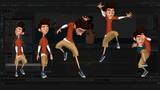












Storyboard artists will often have to pitch a project before pre-production can even begin. Storybeats is a concept used by artists working at this critical point in a project to interpret a script and develop a pitch that, if greenlit, will later form the fundamentals of the production sheet. Think of it as the concept art before the concept art; it’s used by animators, storyboard artists, and concept designers alike throughout pre-production and beyond.
Rembert Montald, a Storyboard Artist working in videogames in California, introduces and shares his complete workflow for creating beatboards that will impress stakeholders and producers. From reviewing an initial script and overcoming the anxiety of creating something when there are no existing designs yet, Rembert walks through his thought process and workflow, demonstrating 11 different storybeats along the way. This insightful workshop has a heavy emphasis on drawing and journeys from the initial thumbnail sketches all the way through to a rendered beatboard.
This 3.5-hour workshop is suitable for anyone interested in drawing, filmmaking, or working in pre-production. By completing the 16 chapters, you will develop an understanding of what it takes to create a satisfying beatboard that has the potential to greenlight a project. You’ll also uncover effective techniques for sketching complex scenes, from hero shots to overlooking skyscrapers.
16 Lessons
Rembert Montald’s workshop sets out an approach to visual storytelling that bridges the gap between writing and illustration. By breaking down the process into clear stages, artists can effectively communicate narrative moments visually and create persuasive pitch materials. This workflow helps ensure that story beats are both artistically strong and production-ready for stakeholder approval.
Duration: 36s

This lesson emphasizes that thorough preparation through gathering reference material is crucial for creating story beats. By combining animated and live-action sources, artists can develop more dynamic compositions and authentic character poses than they could from imagination alone.
Duration: 1m 47s

This lesson demonstrates that thumbnailing is a process of exploration that focuses on effective storytelling rather than drawing perfection. Creating dozens of variations and prioritizing emotional clarity shows that effective pre-visualization requires both technical skill and narrative judgment. The key takeaway is that rapid exploration and critical self-editing lead to stronger visual storytelling than attempting to create perfect drawings on the first attempt.
Duration: 15m 8s

This lesson emphasizes that professional illustration work is time-consuming, involving constant problem-solving and redrawing, requiring patience to push through the rough stages before the work starts to come together. It is important for artists to remember that quality work comes from maintaining high standards, being their own harshest critic, and trusting the process even when intermediate steps look problematic.
Duration: 25m 21s

This lesson emphasizes a workflow that focuses on efficiency and problem-solving over perfectionism. By prioritizing the face, working loosely on single layers, and accepting ‘good enough’ perspective in background elements, artists can create compelling story beats under tight deadlines. Using strategic shortcuts and understanding what details matter most can help artists to work faster and more effectively.
Duration: 7m 13s

This lesson demonstrates that professional illustration is often an indecisive process, requiring patience and persistence. Fundamental drawing skills matter more than polished renderings. The ability to draw constantly, work from silhouettes to details, and push through tedious phases without stopping reflects a disciplined approach that values solid foundational understanding over flashy rendered work.
Duration: 19m 14s

This lesson emphasizes that professional work doesn’t require flawless execution. The key is to balance the development of technical skills, find inspiration across multiple disciplines, and recognize that pure drawing ability remains a differentiating factor in modern studios.
Duration: 15m 41s

This lesson reveals that technical skill in digital art is inseparable from mindset. Rembert’s emphasis on meditation through drawing, continuously improving, and respecting preparation methods illustrates that great artwork emerges from both disciplined technique and patience. His self-critical nature drives him to constant growth, demonstrating that dissatisfaction with one's work can be a powerful motivator rather than a barrier to creating meaningful art.
Duration: 18m 17s

This lesson offers both technical instruction and career advice from Rembert, who successfully navigated from financial uncertainty to professional success. Mastering the fundamentals, observing industry standards, and persistent self-belief created a pathway to stand out in a competitive field. His emphasis on becoming a knowledgeable generalist offers a valuable counterpoint to the pressure to specialize common in the industry.
Duration: 20m 20s

This lesson demonstrates that strong draftsmanship, employing thoughtful hatching techniques, creates a solid foundation for artwork that translates to any medium. The process of building up values, understanding form, and making deliberate decisions is more important than achieving perfection. Traditional drawing skills remain valuable regardless of technological advances, and learning proper technique leads to artistic growth.
Duration: 35m 11s

This lesson demonstrates a disciplined, efficient approach to visual storytelling that balances speed with quality. Rembert’s core philosophy centers on respecting creative energy while thoughtfully building detail through structured layers, keeping narrative clarity and the viewer’s eye movements in mind. This approach is rooted in their principle that understanding form and energy flow is more important than rendering every detail.
Duration: 10m 16s

During this lesson, Rembert demonstrates techniques to guide the viewer’s attention while making pragmatic decisions as deadlines approach. Even skilled artists must sometimes work without reference, accept imperfect results, and assign more time to initial pieces in a series, resulting in later works being less refined.
Duration: 6m 45s

This lesson demonstrates a pragmatic, stress-free approach to beatboards where speed and communication matter. Fundamental skills like box construction, value management, and strategic rendering can help to create professional-looking work. Rembert encourages artists to focus on storytelling and making drawings convincing rather than accurate, while reminding them to save polished versions for their portfolios, since most story beats get replaced or modified.
Duration: 13m 5s

This lesson demonstrates that creating effective beatboards requires both strong foundational drawing skills and an understanding of visual communication principles. Rembert explores how technical skills from different backgrounds can enhance current projects, and how clear, dramatic compositions serve the ultimate goal of visual storytelling in film production.
Duration: 21m 16s

The lesson demonstrates that Layer Comps in Photoshop serve as a powerful tool for organizing and presenting artwork within a single file. The ability to quickly flip between compositions and make adjustments across all images makes the presentation process efficient and cohesive. This workflow is particularly valuable for artists who need to maintain visual consistency across multiple scenes while retaining the flexibility to make last-minute refinements.
Duration: 15m 34s

In the final lesson, Rembert elaborates on the end goal of the workshop: creating finished beatboards. The role offers artists the rare opportunity to practice their craft extensively while maintaining their own artistic style, making it an appealing and fulfilling profession despite the uncertainty and potential revisions that come with the pitch process.
Duration: 45s

Primary tools
For this workshop you’ll need:

* Note that these programs and materials will not be supplied with the course.
Skills Covered
Who’s this Workshop for?
This workshop is designed for aspiring and professional storyboard artists, concept designers, and animators working in film, television, or the video game industry. It's particularly valuable for those in pre-production roles who need to pitch visual concepts and translate scripts into compelling visual narratives.
Filmmakers, illustrators, and anyone involved in creative development will also benefit significantly from this training. Rembert Montald’s workflow and professional techniques will enhance an artist’s ability to create persuasive visual presentations that can secure project approval and impress industry stakeholders.
Learning Outcomes
By completing this workshop, artists will have developed a professional workflow for creating compelling story beats that translate scripts into visual pitches.
Key skills include:
- How to interpret and analyze scripts to identify key visual storytelling opportunities.
- How to overcome creative anxiety when working without existing design references or assets.
- How to develop effective thumbnail sketching techniques for rapid concept exploration and iteration.
- How to create dynamic compositions for complex scenes, including hero shots and architectural environments.
- How to progress from initial sketches to fully rendered, professional-quality beatboards.
- How to structure visual presentations that communicate story beats clearly to stakeholders and producers.


