
 Photoshop
 ZBrush
 Houdini
 Substance Painter
 Blender
 Unreal Engine
 Arnold
 Nuke
Nuke KeyShot
 V-Ray
V-Ray Marmoset Toolbag
 Mari
Mari Marvelous Designer
 Substance Designer
 3ds Max
 3DCoat
 Redshift
 Faceform Wrap
 Lightroom
 After Effects
 OctaneRender
 SpeedTree
 Daz 3D
 Agisoft Metashape
 Fusion
 Modo
Modo RealityCapture
 Gaea
Gaea Cinema 4D
 Gravity Sketch
 Premiere
 Procreate
 Clip Studio Paint
 SketchUp
 SketchBook
 Katana
 Natron
 Mudbox
 Quixel Bridge
 Quixel Megascans
 Quixel Mixer
 Substance 3D Modeler
 World Creator
 Yeti
Yeti Ziva VFX
 Mixamo
 Adobe Medium
 Quixel DDO
 xNormal
 Meshmixer
 Storyboard Pro
 DaVinci Resolve
 TreeIt
 World Machine
 Gaffer
 Corel Painter
 SynthEyes
 Krita
Krita Massive
 Materialize
 Unity
Unity Ornatrix
 PreForm
 Moi 3D
 animBot
 QuickTime
 ReCap
ReCap

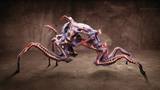



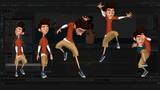










Facial rigging is one of the most sought-after talents in the animation industry. A great facial rigger will have both technical and artistic skills to achieve smooth and appealing facial expressions for characters, whether they’re being created for film, TV, games, or VR.
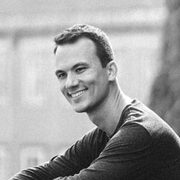
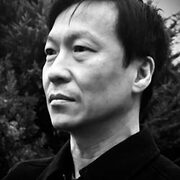
In this 4-hour workshop, Hector Abraham Torres, a Character Rigger at Sony Pictures Animation, reveals how to create a stylized facial rig suitable for use in production. He shares a variety of techniques broken down into 12 chapters to help you fully learn and understand how to create a wide range of motion for character faces.
Hector starts the workshop by introducing the basics of rigging and explaining the importance of facial anatomy — even when working with stylized characters. Hector’s topology tips will ensure you are able to achieve great facial deformations when working with 3D characters, and you’ll explore the various tried-and-tested sculpting techniques Hector uses to create a full facial rig.
To ensure high-quality work — as expected in the industry — Hector also shows how to create a Facial User Interface with controls that will help you to make your rigs more professional. The UI that he creates in Maya for this project is included as a downloadable project file.
The model used throughout the workshop is by Makar Malicki and is available here for a small fee that supports the artist.
12 Lessons
Hector Abraham Torres’ workshop provides a comprehensive foundation for facial rigging in Maya, highlighting that successful character animation relies on both technical skill and artistic insight. By combining the precision and appeal of blend shapes with the flexibility of joint-based systems, rigging artists can build facial rigs that give animators the tools to convey authentic emotions and deliver engaging character performances. Hector utilizes professional experience at major studios to provide a practical, industry-standard approach to facial rigging.
Duration: 20m 3s

This lesson establishes that successful facial rigging begins with solid anatomical understanding and proper topology planning. By studying facial muscles and the FACS system, rigging artists can create controls that enable the full range of human expression. Hector highlights the value of building geometry that follows natural muscle flow patterns while strategically adding detail where deformation is needed, creating rigs that are both expressive and performance-efficient.
Duration: 23m 24s

This comprehensive rigging lesson emphasizes the importance of proper setup and weight painting discipline for creating production-ready character rigs. By maintaining clean control hierarchies and managing skin weights through mirroring techniques, rigging artists can create natural-looking deformations while providing animators with intuitive, easy-to-use controls. Hector maintains a clean organization to ensure that character rigs remain stable and predictable throughout the animation process.
Duration: 25m 44s

Maintaining clean control hierarchies and achieving natural deformation creates a practical workflow for rigging facial features. The key principle throughout is to use offset groups to preserve zero-transformation values and apply subtle joint influences to achieve believable organic movement. Artists learn how this approach balances technical rigging requirements with artistic considerations to produce a functional facial rig as taught by Hector.
Duration: 12m

Creating effective facial blend shapes requires careful attention to anatomy and proper tool usage. Success lies in organizing the workflow and understanding how to use specialized sculpting tools to achieve natural, organic deformations. Hector explains that by separating movements into individual blend shapes and maintaining consistent ranges, a flexible rigging system is created that animators can combine to achieve a wide variety of expressive facial poses.
Duration: 24m 29s

In this lesson, Hector emphasizes the importance of testing blend shape interactions and maintaining clean geometry during facial rigging. The workflow demonstrates a methodical approach to creating facial deformations by building basic shapes and ensuring they combine naturally. Professional best practices for character animation setup help facial expressions appear more organic and controllable by focusing on balanced shapes.
Duration: 17m 35s

Dividing standard eyebrow movements into subsections with carefully weighted influences enables complex emotional expressions that go beyond simple controls. The methodical approach to weight painting creates smooth, organic transitions between blend shapes, resulting in a professional-grade facial rig. Hector demonstrates how this refined control allows for subtle, nuanced performances that bring characters to life.
Duration: 23m 58s

Eyelid rigging that provides strong animator control is an essential part of professional-quality facial animation. Splitting blend shapes into separate components allows animators to create subtle, nuanced expressions while maintaining clean geometry deformation. Hector highlights how proper weight distribution and avoiding influence on critical edge loops allows blend shapes to be combined seamlessly without unwanted artifacts.
Duration: 21m 49s

This lesson breaks down a professional workflow for completing facial blend shape setup by efficiently mirroring deformations while ensuring quality results. The addition of combination targets represents a crucial refinement step that ensures multiple shapes work together harmoniously. Hector explains that mastering both the primary mirroring workflow and the corrective combination target system is essential for creating production-ready facial animation rigs.
Duration: 26m 27s

This comprehensive facial rigging workflow demonstrates professional practices for creating animator-friendly control interfaces in Maya. By combining thoughtful UI design and flexible connection methods, rigging artists can provide animators with intuitive, powerful tools for expressive facial animation. Hector prioritizes clean attribute values and mirroring capabilities to ensure predictable results, while linear curve interpolation streamlines the animation process.
Duration: 26m 48s

This lesson covers the final steps in creating a professional facial rig, bringing together blend shape connections and control systems setup. Hector highlights the importance of proper scene organization and testing movements to achieve an ideal balance between performance and production quality. Artists discover how the resulting rig supports believable facial motion while providing the flexibility needed for stylized, exaggerated expressions.
Duration: 23m 26s

This final lesson highlights the importance of proper file management and workflow when animating rigged characters. By using references and creating animation tests, rigging artists can identify and fix issues while animators can continue working on their scenes through updates. Hector shows how the combination of proper pose timing and squash-and-stretch principles transforms static poses into believable character animation, demonstrating how technical setup and artistic principles work together.
Duration: 19m 13s

Primary tools
For this workshop you’ll need:

* Note that these programs and materials will not be supplied with the course.
Project Files
When you download the workshop files, you'll get access to Hector Abraham Torres's facial UI Maya file to follow along with the lessons. Inside the package, you'll find:
- Maya project files (.ma) – The original 3D scene file you can open and edit in Autodesk Maya
Skills Covered
Who’s this Workshop for?
This workshop is designed for intermediate to advanced 3D artists and riggers who want to specialize in facial rigging for production environments. Character technical directors, rigging artists, and animators working in film, television, games, or VR will find Abraham Torres' industry-standard techniques essential for their career advancement.
Students and junior artists looking to break into character rigging will gain valuable insights into professional workflows used at major studios like Sony Pictures Animation. The workshop bridges the gap between basic rigging knowledge and production-ready facial rigs, making it invaluable for anyone looking to develop their technical skills in animation.
Learning Outcomes
Upon completing this workshop, artists will have developed skills to create professional-level stylized facial rigs suitable for production environments across various media.
Key skills include:
- How to apply facial anatomy principles effectively when rigging stylized 3D characters.
- How to optimize topology for superior facial deformations and smooth character expressions.
- How to implement proven sculpting techniques for comprehensive facial rig development.
- How to design and build professional Facial User Interfaces with intuitive controls.
- How to create production-ready rigs that meet industry standards and workflow requirements.
- How to achieve smooth, appealing facial expressions across a wide range of motions.


