
 Photoshop
 Maya
Maya ZBrush
 Houdini
 Substance Painter
 Blender
 Unreal Engine
 Arnold
 Nuke
Nuke KeyShot
 V-Ray
V-Ray Marmoset Toolbag
 Mari
Mari Marvelous Designer
 Substance Designer
 3ds Max
 3DCoat
 Redshift
 Faceform Wrap
 Lightroom
 After Effects
 OctaneRender
 SpeedTree
 Daz 3D
 Agisoft Metashape
 Fusion
 Modo
Modo RealityCapture
 Gaea
Gaea Cinema 4D
 Gravity Sketch
 Premiere
 Procreate
 Clip Studio Paint
 SketchUp
 SketchBook
 Katana
 Natron
 Mudbox
 Quixel Bridge
 Quixel Megascans
 Quixel Mixer
 Substance 3D Modeler
 World Creator
 Yeti
Yeti Ziva VFX
 Mixamo
 Adobe Medium
 Quixel DDO
 xNormal
 Meshmixer
 Storyboard Pro
 DaVinci Resolve
 TreeIt
 World Machine
 Gaffer
 Corel Painter
 SynthEyes
 Krita
Krita Massive
 Materialize
 Unity
Unity Ornatrix
 PreForm
 Moi 3D
 animBot
 QuickTime
 ReCap
ReCap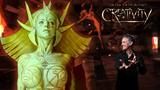
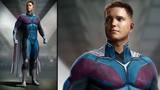
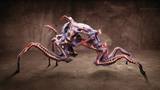
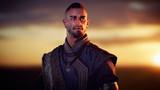

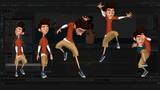







This three-hour workshop teaches how to create a creature design with the kind of character and personality traits that can evolve with a story throughout a movie or game. With over 15 years of industry experience designing characters and creatures for Marvel Studios and many more, Ian Joyner presents his complete design workflow with a focus on the importance of believable anatomy, history, and story.
The class begins with the all-important reference-gathering stage using the free online tool, PureRef, as well as how to create a character synopsis that can help focus and guide efforts. Deciding on a space-pirate, bounty-hunter-style character for this workshop, Ian kicks off the sculpting in ZBrush, working from a simple sphere. Fusing animal and human elements as he sculpts, Ian discusses his most-trusted tools and brushes, and shares notes and industry tips as he builds out the character’s head and torso into a fully realized model.
Moving into Photoshop next, Ian shows how costume designs can be explored in 2D before sculpting them in 3D. Using masking techniques in ZBrush, Ian builds up armor over the character as one piece. He also details how KeyShot can be used as part of the pipeline to render images that can be painted over in Photoshop for further design and color exploration. Blender is then taught as the main tool for retopologizing the hard-surface armor parts as well as how to use ZBrush’s own retopology tools.
Once satisfied with the final pass on the sculpt, KeyShot is used to render out the character before taking it into Photoshop for the last time. Here, the final paint-over takes the design through to a film- or game-ready concept ready to present to a client or director.
8 Lessons
This workshop by Ian Joyner emphasizes that successful creature design balances artistic exploration with practical industry demands. The approach taken prioritizes strong foundational forms and gestures before diving into details, ensuring the design remains readable and emotionally engaging. Ian teaches that whether sketching or sculpting, artists learn to move forward rather than obsessing over perfection to create creatures that are visually compelling and narratively functional.
Duration: 30m 1s

In this lesson, artists learn a character design process that balances speed with quality while using tools strategically to solve problems. Ian demonstrates the importance of staying flexible and willing to revise work when needed. By working from rough to refined and combining 2D and 3D tools, artists explore how to quickly iterate designs while maintaining the ability to make significant changes throughout the process.
Duration: 30m 1s

This lesson shows an efficient workflow for character costume design that balances speed with quality depending on production needs. Ian shows that starting loose and progressively refining ideas helps in exploring concepts quickly before investing in detailed 3D work. Artists discover how to leverage the strengths of multiple software programs to create costume designs that serve both creative vision and production requirements.
Duration: 29m 51s

While modern sculpting tools are powerful, manual re-topology remains valuable for hard surface work, offering precision and control. Ian highlights that this detailed work should only be tackled after the design direction is approved. Artists learn that while detailing is a rewarding stage, investing time in creating a strong foundational form is what truly makes the difference in the final result.
Duration: 15m 37s

This lesson explains how character design is an iterative and flexible process where changes should be embraced. Ian demonstrates that efficiency comes from knowing when to add detail versus placeholder elements and using repeating visual motifs for cohesion. Artists explore how professional character work involves balancing speed with quality while maintaining the flexibility to adapt designs during collaboration.
Duration: 15m 46s

The main takeaway in this lesson is that character design requires both strong execution and thoughtful presentation. Ian explains that the final stages before rendering involve balancing attention to detail with time management to ensure the pose communicates personality. Artists learn that working in 3D provides flexibility to render multiple versions while prioritizing the clear communication of the character design.
Duration: 12m 35s

This lesson demonstrates that professional-quality renders are achievable using primarily default software features and free resources. Ian teaches that thoughtful, controlled lighting and material setup can enhance sculptural work more effectively than flat rendering. Artists explore how to properly set up materials and select compelling camera angles to ensure their sculpting work translates into impressive final presentations.
Duration: 17m 6s

The last lesson in this workshop shows how effective character design workflows prioritize flexibility and iteration over perfection at any single stage. Ian shows how strategically choosing what to finalize in 3D versus 2D post-production allows artists to deliver multiple high-quality options efficiently. Artists discover that success comes from establishing an adaptable process and consistently applying it rather than searching for shortcuts.
Duration: 31m 15s

Primary tools
For this workshop you’ll need:
Skills Covered
Who’s this Workshop for?
This workshop is designed for intermediate to advanced 3D artists, concept designers, and character artists working in film, gaming, or the entertainment industry. Artists with foundational knowledge of ZBrush and Photoshop will gain the most from Ian Joyner's professional-level techniques and insider industry insights.
Freelancers, studio artists, and students aiming to elevate their creature design skills will find immense value in this comprehensive workflow. The workshop shares real-world production methods used at Marvel Studios, making it an essential experience for anyone pursuing a career in character design for major entertainment productions.
Learning Outcomes
By the end of this workshop, artists will have mastered a complete professional creature design pipeline from initial concept through to final presentation-ready artwork.
Key skills include:
- How to gather reference materials and create focused character synopses using industry methods.
- How to sculpt believable creature anatomy by fusing human and animal elements in ZBrush.
- How to explore costume and armor designs efficiently in 2D before committing to 3D.
- How to use masking techniques in ZBrush for building complex armor and surface details.
- How to integrate KeyShot rendering into your pipeline for enhanced design exploration workflows.
- How to retopologize hard-surface elements using both Blender and ZBrush's native retopology tools.
- How to create professional paint-overs in Photoshop for final concept presentation and client delivery.


