
 Photoshop
 Maya
Maya ZBrush
 Houdini
 Substance Painter
 Blender
 Unreal Engine
 Arnold
 Nuke
Nuke KeyShot
 V-Ray
V-Ray Marmoset Toolbag
 Mari
Mari Marvelous Designer
 Substance Designer
 3ds Max
 3DCoat
 Redshift
 Faceform Wrap
 Lightroom
 After Effects
 OctaneRender
 SpeedTree
 Daz 3D
 Agisoft Metashape
 Fusion
 Modo
Modo RealityCapture
 Gaea
Gaea Cinema 4D
 Gravity Sketch
 Premiere
 Procreate
 Clip Studio Paint
 SketchUp
 SketchBook
 Katana
 Natron
 Mudbox
 Quixel Bridge
 Quixel Megascans
 Quixel Mixer
 Substance 3D Modeler
 World Creator
 Yeti
Yeti Ziva VFX
 Mixamo
 Adobe Medium
 Quixel DDO
 xNormal
 Meshmixer
 Storyboard Pro
 DaVinci Resolve
 TreeIt
 World Machine
 Gaffer
 Corel Painter
 SynthEyes
 Krita
Krita Massive
 Materialize
 Unity
Unity Ornatrix
 PreForm
 Moi 3D
 animBot
 QuickTime
 ReCap
ReCap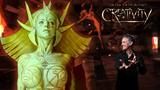
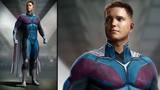
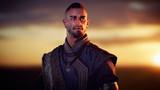







Following on from Introduction to Ziva VFX: Volume 1 , Madhav Shyam returns with the highly anticipated Volume 2, where he dives deeper into Ziva VFX to complete the build of the Sorceress character. Volume 2 covers Python scripting and shares how to edit zBuilder scripts to help speed up your workflow.
With the character complete, the workshop then focuses on a handful of specialized topics, including leveraging machine learning, alternative simulation techniques, and more extreme anatomy wrapping to help you reuse and modify existing setups.
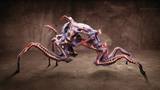
This workshop is also helpful for more intermediate and advanced Ziva VFX users who are looking to increase the quality of their builds. Madhav uses the Sorceress Supreme model from Marcus Whinney by Marcus Whinney as the base; additionally, this volume utilizes Zeke the Lion from the Ziva VFX store, along with the Bison model from Nicolas Morel.
A number of project files are provided with this workshop to assist with following along with Madhav’s creation process.
13 Lessons
In this workshop, Madhav Shyam builds on lessons from Volume One to create complex muscle simulation systems for full characters in Ziva VFX for Maya. Instead of manually setting up each limb, he demonstrates how a single, well-constructed arm rig can be adapted and mirrored across the character using Z Builder and mirroring tools. This approach saves production time, ensures consistency, and establishes reusable muscle simulation modules for future character projects.
Duration: 32m 28s

In this lesson, Madhav demonstrates an advanced muscle rigging workflow for the character's torso. By carefully balancing attachment types, constraint strengths, and simulation parameters while keeping collision detection initially disabled, he creates a realistic soft-body torso system. The methodical approach of completing one side before mirroring, combined with the custom scripting tools, establishes an efficient pipeline for character rigging.
Duration: 54m 39s

In this lesson, Madhav demonstrates the technical and iterative process of creating believable muscle simulations on a full 3D character. Through testing, parameter adjustments, and thoughtful problem-solving, he achieves sliding muscle interactions, proper contraction behavior, and volume preservation. This setup provides a strong foundation for more advanced simulations, including fat layers and walk cycles in future lessons.
Duration: 57m 55s

In this lesson, Madhav demonstrates a full workflow for building anatomically accurate leg muscles in a character rig. By first establishing attachments, then refining materials and adding fiber systems, he showcases professional rigging practices. Understanding how fixed and sliding attachments, material stiffness, and fiber excitation interact allows for realistic muscle deformation that responds naturally to animation.
Duration: 58m 28s

In this lesson, Madhav demonstrates the iterative process of refining leg muscle simulations, balancing attachment strengths, curve placement, and simulation parameters to achieve realistic deformation. With the left leg complete, the next steps include mirroring the setup to the right side and progressing to full-body simulations with fat and skin layers.
Duration: 47m 58s

In this lesson, Madhav demonstrates a complete workflow for finalizing a full-body muscle simulation rig, including mirroring, constraining, and running simulations. He fine-tunes the setup with fixed attachments and adjusting envelope settings to ensure muscles behave correctly, creating a solid foundation for adding detailed muscle work in subsequent lessons.
Duration: 26m 3s

In this lesson, Madhav builds on the completed muscle simulation by adding fat and skin layers, managing the challenges of high-density geometry. He uses a straightforward approach to work efficiently, highlighting the importance of balancing simulation quality with practical iteration times, a key consideration in production-ready workflows.
Duration: 59m 23s

In this lesson, Madhav reviews the completed setup, showing how iterative refinement and thoughtful constraint placement resolve common simulation challenges. He also provides a fully working example in the lesson files, giving artists a solid, production-ready foundation they can study, adapt, and build upon for their own animations using the multi-armed sorceress character.
Duration: 14m 29s

In this lesson, Madhav uses Ziva RT, a machine learning system, to create a muscle simulation compatible rig for real time in Maya. This is particularly valuable for medium detail characters and scenarios where full dynamic simulation isn't necessary, allowing artists to get 70-80% of simulation quality instantly in Maya's viewport.
Duration: 27m 16s

This lesson looks at the concept of coupled simulations and alternative ways to take care of the fat simulation within Ziva VFX. Utilizing a lion asset from Ziva's website, Madhav presents this production-ready approach, aiming to build all the simulation components into one single Maya scene. This method requires duplicating geometry and using blend shapes (making it relatively heavy), and provides reliable results by preventing the fat simulation's attachments from interfering with muscle dynamics.
Duration: 31m 8s

In this lesson, Madhav introduces an alternative optimization workflow that dramatically improves simulation efficiency. By using Delta Mush deformers to approximate skin sliding instead of running full collision-based fat simulations, he demonstrates how artists can achieve visually convincing results with 60–85% time savings. While high-fidelity simulations remain essential for hero shots, this approach offers flexible LOD options that make complex character setups far more manageable and scalable across production.
Duration: 43m 56s

In this lesson, Madhav demonstrates how to rapidly transfer a complex Ziva simulation rig from one character to another. The automated transfer provides a functional starting point that can be further refined with proper anatomy references. This workflow is especially valuable for studios that need to build multiple characters with similar simulation requirements.
Duration: 33m 20s

In this final lesson, Madhav refines the converted simulation rig and resolves remaining issues, bringing the setup to a robust, production-ready state. The result is a flexible foundation that can be pushed further for hero assets or used immediately for fast-turnaround work, highlighting Ziva’s versatility when paired with thoughtful, efficient workflow strategies.
Duration: 43m 12s

Primary tools
For this workshop you’ll need:
Project Files
By downloading these workshop files, you will gain access to a comprehensive muscle-simulation project organized by lesson. Inside each you'll find:
- Maya project files (.ma) – Complete scene setups for each stage of the muscle rigging process, including character rigs with incremental versions showing steps in the workflow
- Chapter-organized project folders - Step-by-step files covering everything from basic arm and torso setup through advanced topics like fat/skin simulation and anatomy wrapping
- 3D model assets (.obj, .abc) - Character meshes and cached simulation data you can reference and work with on your own or with the lessons
- Reference videos (.mov) - Demos to help guide you through the more complex setup procedures
Skills Covered
Who’s this Workshop for?
This workshop is designed for intermediate-to-advanced Ziva VFX users with the expectation that they’ve already completed Volume 1 of this workshop and want to master advanced character simulation techniques. It's ideal for character TDs, technical animators, as well as character and creature artists working in film, gaming, or VFX production environments.
The workshop provides production-ready skills for optimizing workflows and creating high-quality character simulations that meet professional studio standards. Artists familiar with basic Ziva workflows will significantly benefit from additional Python scripting, machine learning integration, and advanced anatomy wrapping techniques covered by Madhav Shyam in these lessons.
Learning Outcomes
By completing this workshop, artists will have mastered advanced Ziva VFX techniques, including Python automation and sophisticated character simulation workflows.
Key skills include:
- How to write and edit Python scripts for automating Ziva VFX workflows.
- How to modify ZBuilder scripts to streamline and accelerate production pipelines effectively.
- How to implement machine learning techniques within Ziva VFX simulation environments.
- How to execute advanced anatomy wrapping for complex character deformation systems.
- How to reuse and modify existing simulation setups across different character models.
- How to apply alternative simulation techniques for specialized character animation requirements.
- How to optimize simulation quality and performance for professional production standards.


