
 Photoshop
 Maya
Maya ZBrush
 Houdini
 Substance Painter
 Blender
 Unreal Engine
 Arnold
 Nuke
Nuke KeyShot
 V-Ray
V-Ray Marmoset Toolbag
 Mari
Mari Marvelous Designer
 Substance Designer
 3ds Max
 3DCoat
 Redshift
 Faceform Wrap
 Lightroom
 After Effects
 OctaneRender
 SpeedTree
 Daz 3D
 Agisoft Metashape
 Fusion
 Modo
Modo RealityCapture
 Gaea
Gaea Cinema 4D
 Gravity Sketch
 Premiere
 Procreate
 Clip Studio Paint
 SketchUp
 SketchBook
 Katana
 Natron
 Mudbox
 Quixel Bridge
 Quixel Megascans
 Quixel Mixer
 Substance 3D Modeler
 World Creator
 Yeti
Yeti Ziva VFX
 Mixamo
 Adobe Medium
 Quixel DDO
 xNormal
 Meshmixer
 Storyboard Pro
 DaVinci Resolve
 TreeIt
 World Machine
 Gaffer
 Corel Painter
 SynthEyes
 Krita
Krita Massive
 Materialize
 Unity
Unity Ornatrix
 PreForm
 Moi 3D
 animBot
 QuickTime
 ReCap
ReCap












15 Lessons
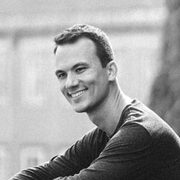
Chris opens his workshop with a lesson that emphasizes that effective lighting is not merely a technical requirement but a fundamental storytelling and artistic tool in CG work. By understanding how lighting describes form, establishes mood, and guides narrative, artists can elevate their work from technically competent to professionally compelling. He explains how his comprehensive approach to portrait lighting will be valuable regardless of specific software choices.
Duration: 2m 46s

This lesson establishes the foundational technical setup for lighting workflows in Maya with V-Ray, emphasizing efficiency and accessibility. By optimizing render settings and providing multiple character model options, Chris ensures artists with varying hardware capabilities can follow along. He discusses why his key workflow recommendation is to keep IPR rendering active to avoid repeated scene translation delays, especially when working with complex hair systems.
Duration: 5m 4s

Three-point lighting remains the foundation of professional lighting because of its efficiency and effectiveness. Each light serves a specific, non-overlapping purpose that contributes to a well-balanced image. This system allows artists to quickly achieve professional-looking results while maintaining the flexibility to make creative adjustments. Mastering this basic technique provides the essential groundwork for understanding more complex lighting scenarios in both photography and 3D rendering.
Duration: 10m 4s

Understanding camera focal length and positioning is fundamental to creating professional-looking portraits in 3D. The 70-85mm focal length range, combined with eye-level camera placement, provides the most flattering and natural starting point for portrait work, translating real-world photography principles directly into Maya. Once these foundational techniques are mastered, artists can confidently experiment with more creative camera angles and focal lengths to achieve unique artistic results.
Duration: 8m 20s

The five classic lighting setups (Rembrandt, Loop, Split, Broad, and Butterfly) form the essential foundation for studio portrait lighting. Chris emphasizes that beginners should practice and master these fundamental techniques before experimenting with more complex arrangements, as most professional lighting schemes are based on or derived from these core approaches. Understanding these basics gives photographers and digital artists versatile tools that apply across various portrait situations and subject types.
Duration: 4m 13s

Chris explains why Rembrandt lighting is an excellent starting point for portrait lighting, with it being so universally appealing and working well across various scenarios. The key lesson shared is how to balance artistic lighting schemes with physical plausibility. Artists can adapt classic photography lighting setups while maintaining realism by limiting artificial adjustments, such as excessive light linking. He emphasizes that successful lighting requires considering both the blocking phase and how materials interact with light to achieve the final polished result.
Duration: 21m 28s

Loop lighting offers an excellent balance between dramatic contrast and facial visibility, making it a practical choice for photographers with limited equipment. The technique's real strength emerges when combined with proper rim lighting, which adds visual interest and dimension to what might otherwise be a relatively simple setup. This versatile lighting style produces professional, well-illuminated portraits that retain detail while creating an appealing, almost illustrative quality.
Duration: 8m 4s

Split lighting is a powerful, stylized technique that can dramatically transform a subject's appearance and convey specific moods or storytelling elements. By mastering light positioning, elevation, and color temperature while minimizing fill light, creators can achieve professional cinematic looks ranging from sinister and mysterious to dramatically beautiful. The technique's versatility makes it valuable for various applications in 3D rendering and photography.
Duration: 8m 41s

Broad lighting, while challenging because the camera and light are on the same side, can produce excellent results when properly executed. The key is to avoid direct camera alignment by adjusting angles, distances, and intensities, then supplementing with rim and fill lights to maintain dimension and detail. When successful, broad lighting effectively illuminates the subject's broad side while preserving visual interest and depth.
Duration: 7m 1s

Butterfly lighting is a sophisticated yet approachable studio lighting technique that, while challenging initially, produces beautifully flattering results for portraits and beauty photography. By mastering the placement of key, fill, and rim lights with careful attention to intensity balance, photographers and 3D artists can achieve the timeless, elegant look that made this setup a favorite at Paramount Pictures. Along with the other four fundamental lighting setups covered in this workshop, butterfly lighting serves as an essential foundation for creating professional-quality studio portraits.
Duration: 8m 24s

Understanding and controlling light quality is essential for creating realistic and professional-looking 3D portraits. By mastering attributes such as falloff, radius, directionality, temperature, and texture, artists can replicate the effects of real-world studio lighting or create specific moods and effects. The key is treating each attribute as serving a distinct purpose rather than adjusting them interchangeably, and using physically accurate values (such as Kelvin temperatures and HDRI light textures) to help achieve photorealistic results that closely match practical photography.
Duration: 35m 28s

This lesson demonstrates that effective portrait lighting requires systematic layering of light sources while maintaining proper hierarchy between key, fill, and rim lights. The most important lesson is that lighting and background selection are interdependent decisions that must be made during the 3D setup phase, not afterthoughts in compositing. By isolating and fine-tuning each light individually and considering how backgrounds influence the overall scene, artists will learn how to create professional, realistic portrait renders with proper depth and dimensionality.
Duration: 17m 7s

This comprehensive lesson emphasizes the importance of setting up proper render elements and passes before final rendering, as they provide maximum flexibility during compositing. By separating lights, creating proper mattes, and using appropriate render settings optimized for portrait work, artists will discover how to make critical lighting and color decisions in post-production rather than requiring time-consuming re-renders. Chris's workflow prioritizes efficiency and creative control through technical preparation.
Duration: 17m 53s

While V-Ray offers powerful in-renderer camera effects, including depth of field and physical camera simulation, these features come with significant render time costs and potential compatibility issues. Chris explains why understanding these tools is important, and provides suggestions for most production workflows, including how to achieve similar results through compositing, which can be more efficient and flexible. His physical camera approach provides necessary realistic and intuitive controls when rendering these effects.
Duration: 12m 18s

This final lesson demonstrates that professional 3D portrait rendering extends far beyond the initial render, with compositing and post-production being essential to achieving photorealistic results. By separating lighting elements, thoughtfully applying depth of field, and using photographic finishing techniques, artists can transform clean but artificial-looking 3D renders into convincing portraits that rival actual photography. Chris teaches why it's important to plan for compositing flexibility during the lighting stage by keeping lights white and properly positioned, then making creative color and intensity decisions in post-production, where adjustments are faster and more controllable.
Duration: 26m 21s

Primary tools
For this workshop you’ll need:
Project Files
When you download the workshop files, you'll gain access to a comprehensive Maya project focused on advanced character grooming and hair creation, featuring the character "Emma." Inside, you'll find:
- Maya scene files (.ma) – The main teaching scene with fully rigged character models and grooming setups you can explore and modify
- XGen hair systems (.xgen, .xgc, .xuv) - Professional hair and fur grooming files including multiple hair styles, eyebrows, eyelashes, and facial hair variations
- Texture maps (.exr, .png, .tif) - High-quality diffuse, specular, and displacement textures plus the final renders for reference
- 3D models & paint maps (.obj, .ptx) - Light geometry files and detailed grooming guide maps that are used for XGen modifiers
Skills Covered
Who’s this Workshop for?
This workshop is designed for intermediate to advanced 3D artists, character artists, and lighting specialists who want to elevate their portrait rendering skills. It's particularly valuable for professionals working in film, advertising, or game development who need to create compelling character presentations and promotional imagery.
Beginner artists with basic 3D knowledge will also benefit significantly from learning industry-standard lighting principles early in their careers. The renderer-agnostic approach ensures that artists using any software can apply these fundamental techniques to improve the quality of their work and develop a more professional eye for lighting design.
Learning Outcomes
By completing this workshop, artists will master professional photography studio lighting techniques tailored to 3D character and portrait rendering workflows.
Key skills include:
- How to set up classic three-point lighting systems for professional character portraits.
- How to implement cinematic lighting principles in 3D environments for dramatic effect.
- How to balance artistic vision with technical lighting constraints in production environments.
- How to create compelling rim lighting and fill lighting for enhanced character definition.
- How to analyze and replicate professional photography lighting setups in 3D space.
- How to troubleshoot common lighting problems that affect portrait render quality.
- How to optimize lighting workflows for efficiency while maintaining high visual standards.


